From Concept to Creation: Inside the Frosted Decorative Glass Production Line
Time:
2025-12-29 09:10
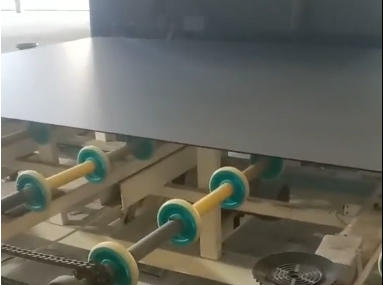
From Concept to Creation: Inside the Frosted Decorative Glass Production Line
Table of Contents
- 1. Introduction to Frosted Decorative Glass
- 2. Concept Ideation: The Spark of Innovation
- 3. Material Selection for Frosted Glass Production
- 4. The Design Process: Turning Ideas into Blueprints
- 5. Production Line Setup: The Heart of Manufacturing
- 6. Manufacturing Techniques: From Raw Glass to Frosted Finish
- 7. Quality Control: Ensuring Excellence in Every Piece
- 8. Sustainability Practices in Glass Production
- 9. Future Trends in the Frosted Glass Industry
- 10. Conclusion
- 11. FAQs
1. Introduction to Frosted Decorative Glass
Frosted decorative glass has gained immense popularity in contemporary architecture and design. Its versatile applications range from creating privacy in residential spaces to enhancing aesthetics in commercial environments. The process of manufacturing this exquisite glass involves a unique blend of artistry and technology, making it an intriguing subject for exploration. This article delves into the production line of frosted decorative glass, exploring each stage from the initial concept to the final product.
2. Concept Ideation: The Spark of Innovation
The journey of frosted decorative glass begins with **concept ideation**. Designers and architects often seek inspiration from various sources, including nature, art, and architectural trends. This phase is crucial as it sets the foundation for the entire production process. During ideation, teams brainstorm ideas, sketch designs, and consider the functional and aesthetic aspects of the glass.
Collaboration between designers and engineers is essential in this stage. By merging creative visions with practical engineering solutions, they ensure that the final product is both beautiful and functional. Feedback loops are established, allowing for continuous refinement of ideas until a viable concept emerges.
3. Material Selection for Frosted Glass Production
Once a concept is finalized, the next step involves careful **material selection**. The choice of glass is critical, as it affects the quality, durability, and overall appearance of the product. Typically, manufacturers opt for high-quality float glass due to its excellent optical clarity and smooth surface.
Additionally, the selection of frosted finishes varies depending on the desired effect. Common methods to achieve a frosted appearance include sandblasting, acid etching, and using specialized coatings. Each method has its advantages and disadvantages, and the choice often depends on the design specifications and intended use of the glass.
4. The Design Process: Turning Ideas into Blueprints
The design process transforms abstract concepts into concrete blueprints. Utilizing sophisticated design software like CAD (Computer-Aided Design), designers create detailed drawings that specify dimensions, thickness, and patterns. This stage involves rigorous calculations and adjustments to ensure that the glass will fit seamlessly into the intended space.
Collaboration with engineers is vital during this phase, as they assess the feasibility of the designs from a manufacturing perspective. Any potential challenges related to production techniques or material limitations are addressed, leading to adjustments in the design as necessary.
5. Production Line Setup: The Heart of Manufacturing
With the design finalized, the production line setup commences. This phase is crucial as it involves configuring machinery and workflows to optimize efficiency. The layout of the production line is designed for seamless transitions between each manufacturing stage, from cutting and tempering to frosting and finishing.
Manufacturers often invest in advanced technologies, such as automated cutting machines and robotic arms, to enhance precision and productivity. The integration of these technologies not only speeds up the manufacturing process but also ensures consistency in quality.
6. Manufacturing Techniques: From Raw Glass to Frosted Finish
The manufacturing techniques employed in producing frosted decorative glass are diverse and sophisticated. The process typically unfolds in several key stages:
6.1 Cutting and Shaping
The journey begins with cutting large sheets of glass into specified sizes using precision cutting tools. This step requires great attention to detail, as any inaccuracies can lead to wastage and increased costs. After cutting, the glass pieces are shaped according to design requirements, whether that involves curved edges or intricate patterns.
6.2 Tempering
Tempering enhances the strength and safety of the glass. This process involves heating the glass to high temperatures and then rapidly cooling it. The result is a product that is substantially more durable and resistant to thermal stress. Tempered glass is essential for applications where safety is paramount, such as in doors and windows.
6.3 Frosting Techniques
The frosting techniques employed are where the magic happens. Depending on the desired finish, manufacturers may choose sandblasting, acid etching, or applying specialized coatings. Each technique creates a unique texture and appearance. For instance, sandblasting provides a more uniform frosted look, while acid etching can create more intricate patterns and designs.
6.4 Finishing and Quality Checks
Once the frosting is complete, a thorough finishing process ensures that all edges are smooth and free from defects. Quality checks are conducted at every stage to guarantee that the final product meets industry standards. This meticulous attention to detail is what distinguishes premium frosted decorative glass from lower-quality alternatives.
7. Quality Control: Ensuring Excellence in Every Piece
Quality control is a cornerstone of the frosted glass production process. Rigorous testing protocols are established to evaluate various aspects, including thickness, visual clarity, and optical distortion. Manufacturers adhere to strict industry standards, which helps in maintaining a high level of quality throughout production.
Additionally, customer feedback is invaluable in refining the quality assurance process. By closely monitoring market trends and customer preferences, manufacturers can make informed adjustments to their processes, ensuring that they deliver products that consistently meet or exceed customer expectations.
8. Sustainability Practices in Glass Production
Sustainability has become a paramount concern in the manufacturing sector, and the frosted glass industry is no exception. Manufacturers are increasingly implementing sustainable practices to minimize their environmental impact. This includes using recycled materials in production, improving energy efficiency, and reducing waste.
Moreover, innovations in glass recycling technology are allowing manufacturers to incorporate recycled glass into new products without compromising quality. These efforts not only benefit the environment but also appeal to eco-conscious consumers, enhancing the brand's marketability.
9. Future Trends in the Frosted Glass Industry
The future of the frosted glass industry looks promising, with several trends on the horizon. One significant trend is the rise of smart glass technology, which allows for dynamic changes in opacity and transparency. This innovation opens new avenues for interior design and architectural applications, offering enhanced functionality alongside aesthetic appeal.
Additionally, advancements in eco-friendly materials and production techniques are expected to gain traction. As sustainability becomes a priority for consumers, manufacturers that embrace green practices will likely see increased demand for their products.
10. Conclusion
The journey of frosted decorative glass production is a fascinating blend of creativity, technology, and craftsmanship. From the initial concept to the final creation, each stage plays a critical role in ensuring that the end product meets the highest standards of quality and design. As the industry embraces sustainability and innovation, we can anticipate a future filled with exciting possibilities in the world of frosted decorative glass.
11. FAQs
What is frosted decorative glass?
Frosted decorative glass is a type of glass that has been treated to create a translucent, frosted appearance. It is often used in architectural and interior design applications to provide privacy while still allowing light to pass through.
What techniques are used to frost glass?
Common techniques for frosting glass include sandblasting, acid etching, and applying specialized coatings. Each method produces different textures and finishes.
Is frosted glass durable?
Yes, frosted glass, especially when tempered, is highly durable and resistant to impact and thermal stress. This makes it suitable for various applications, including windows and shower doors.
Can frosted glass be customized?
Absolutely! Frosted glass can be customized in terms of size, shape, and design patterns, allowing it to fit specific architectural needs and aesthetic preferences.
How do manufacturers ensure quality in frosted glass production?
Manufacturers implement rigorous quality control measures, including testing for thickness, clarity, and visual distortion. Continuous monitoring throughout the production process helps maintain high standards.
What are the sustainability practices in the frosted glass industry?
Sustainability practices include using recycled materials, improving energy efficiency, and reducing waste during production. Many manufacturers also invest in eco-friendly technologies to minimize their environmental impact.
Frosted decorative glass production line
News
2026-09-28

PROVIDE YOU WITH THE BEST COST PLAN
Contact Us
Wechat: +86-198 7884 1913
Add: B-11, Jiushan Area, Jindu Industrial Park, Jindu, Gaoyao District, Zhaoqing City, Guangdong, China
Connnect with us!


Website