Understanding Vacuum Coating Machines: A Key Component in Post-Processing Manufacturing
Time:
2026-01-05 16:00
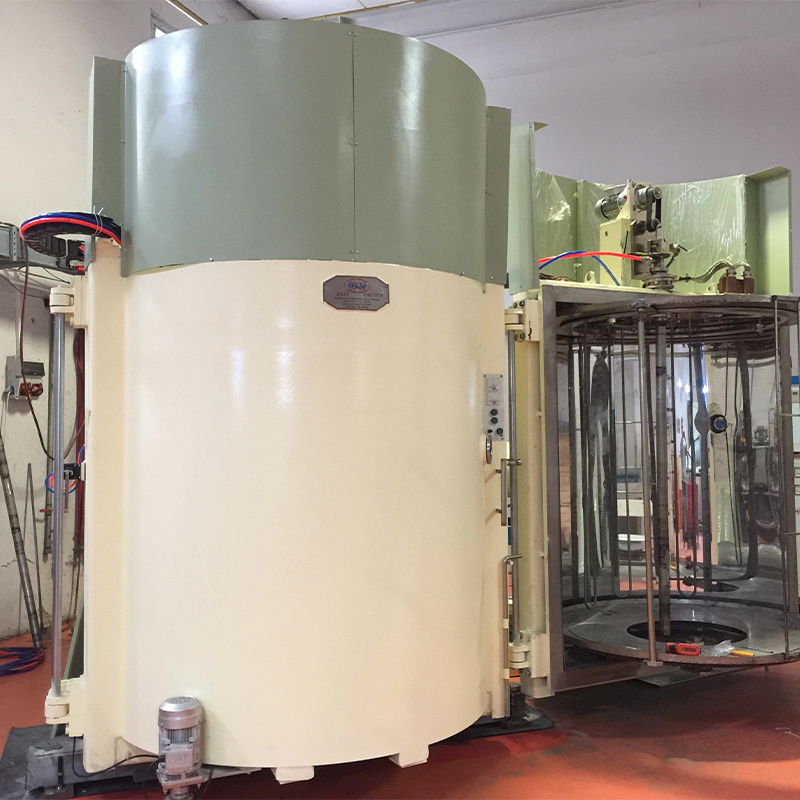
In the manufacturing and processing industry, particularly in the realm of post-processing machinery like laminators, vacuum coating machines play a crucial role. These machines utilize vacuum technology to deposit thin films of various materials onto substrates, creating a coating that enhances both the aesthetic and functional properties of the product.
Vacuum coating machines operate by creating a vacuum environment, which allows for the controlled deposition of materials. This method is crucial for various applications, including decorative coatings, protective layers, and functional enhancements such as anti-reflective or anti-scratch surfaces. The precision and versatility of vacuum coating are key advantages, enabling manufacturers to meet specific requirements for a diverse range of products.
One of the most significant benefits of using vacuum coating machines is the ability to achieve a uniform coating thickness across complex geometries. Traditional coating methods often struggle with inconsistencies, especially on intricate designs. However, the vacuum process allows for even distribution, ensuring that every part of the substrate receives the necessary layer of material, which is essential for both performance and durability.
Moreover, vacuum coating machines contribute to environmental sustainability. By minimizing material waste and reducing the emissions typically associated with conventional coating techniques, these machines align with modern manufacturing practices that emphasize eco-friendliness. The closed-loop system of vacuum coating not only prevents material loss but also enhances the recyclability of coated products, making it an attractive option for environmentally conscious businesses.
In addition to these advantages, vacuum coating machines are increasingly being integrated with advanced technologies such as automation and real-time monitoring systems. This integration allows manufacturers to optimize production processes, enhance quality control, and reduce operational costs. As a result, businesses can improve their overall efficiency while maintaining high standards in product quality.
In conclusion, vacuum coating machines represent a vital technology in the realm of manufacturing and processing, especially for post-processing applications like laminating. Their ability to provide uniform coatings, enhance product durability, and support sustainability makes them an integral part of modern manufacturing strategies. As industries continue to evolve, the role of vacuum coating will undoubtedly expand, driving innovation and quality in product development. Understanding their functionality and benefits is essential for professionals in the manufacturing sector aiming to stay competitive in an ever-changing landscape.
vacuum coating machine
News
2026-09-28

PROVIDE YOU WITH THE BEST COST PLAN
Contact Us
Wechat: +86-198 7884 1913
Add: B-11, Jiushan Area, Jindu Industrial Park, Jindu, Gaoyao District, Zhaoqing City, Guangdong, China
Connnect with us!


Website