Understanding Vacuum Coating Machines: A Deep Dive into Their Role in Post-Processing Applications
Time:
2026-10-12 09:01
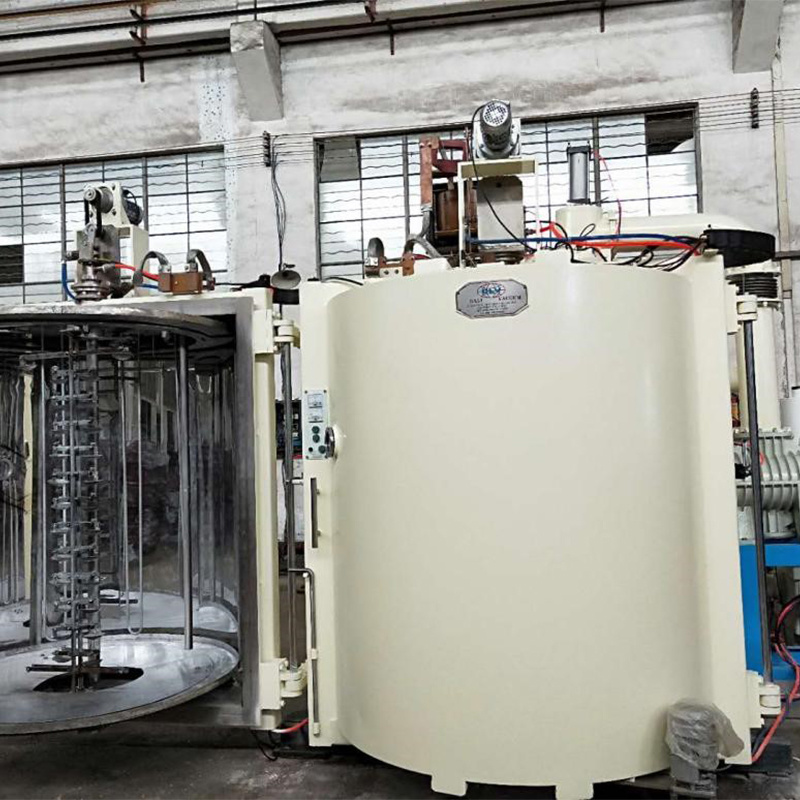
Vacuum coating machines are advanced devices that play a crucial role in the manufacturing and post-processing of various products. These machines utilize vacuum deposition techniques to apply thin films of material onto substrates, ensuring enhanced properties and aesthetics. The process is widely applicable across multiple industries, including electronics, optics, and packaging, but is particularly significant in the realm of lamination in post-processing.
The principle behind vacuum coating machines involves creating a vacuum environment to prevent contamination and oxidation during the coating process. This controlled atmosphere allows for the deposition of materials, such as metals or polymers, onto products without interference from external elements. By achieving an ultra-thin layer of coating, manufacturers can significantly improve the surface characteristics of their products, including scratch resistance, reflectivity, and adhesion properties.
One of the primary benefits of using vacuum coating machines in lamination processes is their ability to produce uniform and high-quality coatings. The precision offered by these machines ensures that each layer is consistent, which is vital for applications where performance and appearance are paramount. Additionally, the vacuum environment minimizes defects and irregularities, leading to a superior end product.
Moreover, vacuum coating is an environmentally friendly process. It reduces the amount of waste generated compared to traditional coating methods, making it a more sustainable option for manufacturers. The energy consumption associated with vacuum coating machines can also be lower than that of conventional systems, contributing to overall efficiency in production.
In the context of post-processing and lamination, vacuum coating machines can be employed to enhance the durability and functionality of various products. For instance, they are commonly used in the packaging industry to apply barrier coatings that protect food items from moisture and oxygen, thereby extending shelf life. In the electronics sector, these machines are essential for producing components with improved conductivity and reduced surface resistance.
In conclusion, vacuum coating machines are indispensable in the manufacturing landscape, particularly for applications related to post-processing and lamination. Their ability to provide high-quality, uniform coatings while promoting sustainability makes them an attractive choice for manufacturers seeking to enhance their products. Understanding the role of these machines can help businesses make informed decisions about their operational processes and product development strategies. As technology advances, the capabilities of vacuum coating machines will continue to evolve, opening new avenues for innovation across various industries.
vacuum coating machine
News
2026-09-28

PROVIDE YOU WITH THE BEST COST PLAN
Contact Us
Wechat: +86-198 7884 1913
Add: B-11, Jiushan Area, Jindu Industrial Park, Jindu, Gaoyao District, Zhaoqing City, Guangdong, China
Connnect with us!


Website