Exploring the Benefits and Applications of Vertical Vacuum Coating Machines in Post-Processing Manufacturing
Time:
2025-12-22 09:40
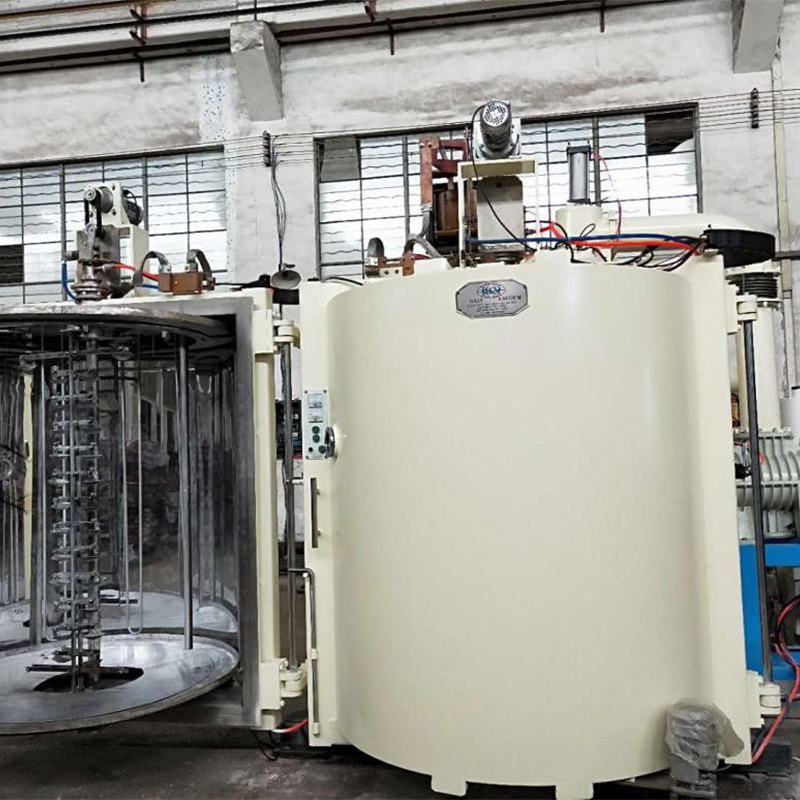
Vertical vacuum coating machines have emerged as a pivotal technology in the manufacturing sector, especially within the post-processing segment, such as lamination. These machines are designed to apply thin coating layers on various substrates, enhancing their properties and aesthetic appeal. In the context of lamination, vertical vacuum coating plays a crucial role in producing high-quality finished products that meet stringent industry standards.
One of the primary advantages of vertical vacuum coating machines is their ability to produce uniform and high-quality coatings. The vacuum environment minimizes contamination and allows for precise control over the deposition process. This results in coatings with superior adhesion, durability, and optical clarity. Such characteristics are essential in industries where product quality directly impacts market competitiveness.
Another noteworthy benefit is the versatility of vertical vacuum coating machines. They can accommodate a wide range of materials, including metals, plastics, and glass. This adaptability makes them suitable for various applications, from electronics and automotive components to decorative items and packaging. Additionally, the ability to apply multiple layers or different types of coatings in a single process streamlines production and reduces operational costs.
The operational efficiency of vertical vacuum coating machines also deserves attention. With advancements in automation and control systems, modern machines offer faster cycle times and reduced downtime. This efficiency is particularly important in high-volume production environments, where maximizing output while maintaining quality is a constant challenge. Furthermore, many machines are designed with energy efficiency in mind, contributing to lower operational costs and a smaller environmental footprint.
In the realm of lamination specifically, vertical vacuum coating machines can enhance the properties of films and substrates, providing enhanced barrier protection, improved scratch resistance, and UV protection. These features are increasingly important as consumer demand for durable and visually appealing products continues to rise. By employing vertical vacuum coating technology, manufacturers can differentiate their offerings and meet the evolving needs of their customers.
In summary, vertical vacuum coating machines represent a vital investment for manufacturers in the post-processing sector, particularly those focused on lamination. Their ability to deliver high-quality, uniform coatings across various materials, coupled with operational efficiency, makes them an attractive choice. As the industry continues to advance, embracing such technology can lead to significant competitive advantages, ensuring that manufacturers remain at the forefront of innovation and quality.
One of the primary advantages of vertical vacuum coating machines is their ability to produce uniform and high-quality coatings. The vacuum environment minimizes contamination and allows for precise control over the deposition process. This results in coatings with superior adhesion, durability, and optical clarity. Such characteristics are essential in industries where product quality directly impacts market competitiveness.
Another noteworthy benefit is the versatility of vertical vacuum coating machines. They can accommodate a wide range of materials, including metals, plastics, and glass. This adaptability makes them suitable for various applications, from electronics and automotive components to decorative items and packaging. Additionally, the ability to apply multiple layers or different types of coatings in a single process streamlines production and reduces operational costs.
The operational efficiency of vertical vacuum coating machines also deserves attention. With advancements in automation and control systems, modern machines offer faster cycle times and reduced downtime. This efficiency is particularly important in high-volume production environments, where maximizing output while maintaining quality is a constant challenge. Furthermore, many machines are designed with energy efficiency in mind, contributing to lower operational costs and a smaller environmental footprint.
In the realm of lamination specifically, vertical vacuum coating machines can enhance the properties of films and substrates, providing enhanced barrier protection, improved scratch resistance, and UV protection. These features are increasingly important as consumer demand for durable and visually appealing products continues to rise. By employing vertical vacuum coating technology, manufacturers can differentiate their offerings and meet the evolving needs of their customers.
In summary, vertical vacuum coating machines represent a vital investment for manufacturers in the post-processing sector, particularly those focused on lamination. Their ability to deliver high-quality, uniform coatings across various materials, coupled with operational efficiency, makes them an attractive choice. As the industry continues to advance, embracing such technology can lead to significant competitive advantages, ensuring that manufacturers remain at the forefront of innovation and quality.
Vertical vacuum coating machine
News
2026-09-28

PROVIDE YOU WITH THE BEST COST PLAN
Contact Us
Wechat: +86-198 7884 1913
Add: B-11, Jiushan Area, Jindu Industrial Park, Jindu, Gaoyao District, Zhaoqing City, Guangdong, China
Connnect with us!


Website