A Comprehensive Guide to Multi-Arc Ion Coating for Manufacturers
Time:
2026-11-10 17:10
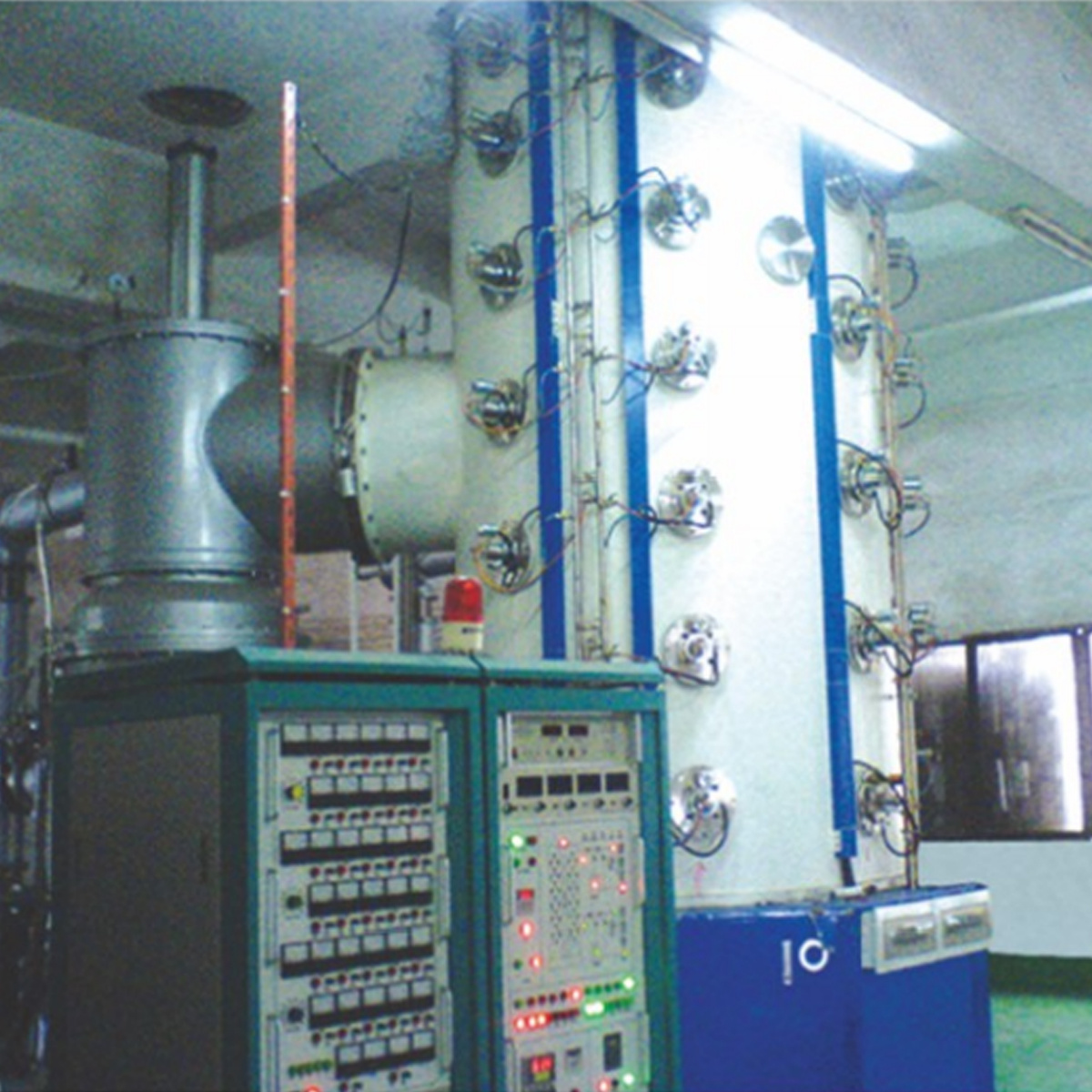
A Comprehensive Guide to Multi-Arc Ion Coating for Manufacturers
Table of Contents
1. Introduction to Multi-Arc Ion Coating
2. Understanding the Multi-Arc Ion Coating Process
2.1 The Role of Arc Discharge in Coating
2.2 Fundamental Principles Behind Multi-Arc Ion Coating
3. Key Advantages of Multi-Arc Ion Coating for Manufacturers
3.1 Enhanced Durability and Adhesion
3.2 Versatility in Material Applications
3.3 Cost-Effectiveness and Efficiency
4. Applications of Multi-Arc Ion Coating in Various Industries
4.1 Aerospace and Automotive Industries
4.2 Electronics and Semiconductor Sectors
4.3 Medical Device Manufacturing
5. Selecting the Right Equipment for Multi-Arc Ion Coating
6. Maintenance of Multi-Arc Ion Coating Systems
7. Challenges and Solutions in Multi-Arc Ion Coating
8. The Future of Multi-Arc Ion Coating Technology
9. Frequently Asked Questions
10. Conclusion
1. Introduction to Multi-Arc Ion Coating
Multi-arc ion coating is a revolutionary technique that has transformed the landscape of surface coatings in manufacturing. This method utilizes an electric arc to generate ions, which are then deposited onto a substrate to create a thin, durable film. This guide provides an in-depth exploration of the multi-arc ion coating process, its benefits, applications, and future trends, specifically aimed at manufacturers looking to improve their production quality and efficiency.
2. Understanding the Multi-Arc Ion Coating Process
The multi-arc ion coating process is distinct in its way of producing high-quality coatings. It involves generating a plasma through an electric arc discharge. This section examines the mechanics behind this innovative technique.
2.1 The Role of Arc Discharge in Coating
Arc discharge is the heart of the multi-arc ion coating process. By creating a high-temperature plasma, it enables the vaporization of target materials, which then condense on the substrate, forming a uniform coating. The versatility of this technology allows for various materials to be used, leading to diverse applications across different industries.
2.2 Fundamental Principles Behind Multi-Arc Ion Coating
Understanding the principles of multi-arc ion coating is crucial for manufacturers. The process typically involves several steps:
1. **Target Material Selection**: Various materials can be used, such as metals, ceramics, and alloys. The choice depends on the desired properties of the final coating.
2. **Plasma Generation**: An electric arc is initiated, vaporizing the target material into plasma.
3. **Ionization**: The vaporized material ionizes, creating positively charged ions.
4. **Deposition**: These ions are accelerated towards the substrate, where they condense to form a strong bond, enhancing the surface properties.
3. Key Advantages of Multi-Arc Ion Coating for Manufacturers
Manufacturers looking to invest in coating technology will find that multi-arc ion coating offers several key advantages.
3.1 Enhanced Durability and Adhesion
One of the primary benefits of multi-arc ion coating is the enhanced durability of the coated surfaces. The ionized particles form a robust bond with the substrate, significantly improving adhesion. This results in coatings that are not only wear-resistant but also more resilient to environmental factors.
3.2 Versatility in Material Applications
Multi-arc ion coating technology is adaptable to a range of materials, from metals to ceramics. This versatility allows manufacturers to customize their coatings for specific applications, whether they require electrical conductivity, corrosion resistance, or aesthetic appeal.
3.3 Cost-Effectiveness and Efficiency
The efficiency of the multi-arc ion coating process leads to reduced production costs. With shorter cycle times and lower material waste, manufacturers can maximize their output while minimizing expenses, making this technology a financially viable option.
4. Applications of Multi-Arc Ion Coating in Various Industries
The multi-arc ion coating process has found applications across numerous industries, each benefiting from its unique properties.
4.1 Aerospace and Automotive Industries
In the aerospace and automotive sectors, the demand for high-performance components is critical. Multi-arc ion coatings enhance engine parts, turbine blades, and transmission components, providing them with the necessary wear resistance and thermal stability.
4.2 Electronics and Semiconductor Sectors
The electronics industry relies heavily on thin films for various applications. Multi-arc ion coating is used to produce high-quality films for semiconductors, circuit boards, and other electronic components, ensuring optimal performance and longevity.
4.3 Medical Device Manufacturing
In the medical field, devices must meet stringent safety and performance standards. Multi-arc ion coatings are employed to enhance the biocompatibility and durability of surgical instruments, implants, and other medical devices.
5. Selecting the Right Equipment for Multi-Arc Ion Coating
Choosing the appropriate equipment is paramount for successful multi-arc ion coating. Manufacturers should consider factors such as:
- **Size and Scalability**: Depending on production needs, equipment should be scalable.
- **Material Compatibility**: Ensure that the equipment can handle the desired target materials.
- **Automation and Control Systems**: Advanced control systems can enhance precision in the coating process.
6. Maintenance of Multi-Arc Ion Coating Systems
Regular maintenance of multi-arc ion coating systems is essential to ensure consistent quality and performance. Key maintenance practices include:
- **Routine Inspections**: Regular checks on components to prevent breakdowns.
- **Cleaning Procedures**: Keeping the system clean to avoid contamination of the coating process.
- **Calibration and Updates**: Periodic calibration of equipment ensures optimal performance.
7. Challenges and Solutions in Multi-Arc Ion Coating
Despite its advantages, manufacturers may face challenges when implementing multi-arc ion coating. Understanding these obstacles and their solutions can aid in smoother operations.
7.1 Common Challenges
- **Material Limitations**: Certain materials may not produce optimal results with this technique.
- **Process Complexity**: The multi-arc ion coating process can be intricate, requiring skilled personnel.
7.2 Potential Solutions
- **Material Research**: Ongoing research can identify alternative materials suitable for multi-arc ion coating.
- **Training Programs**: Investing in training for operators can mitigate complexities and enhance overall effectiveness.
8. The Future of Multi-Arc Ion Coating Technology
As technology evolves, so does the potential of multi-arc ion coating. Future trends may include:
- **Enhanced Automation**: Increased automation will streamline the coating process and reduce human error.
- **Sustainable Practices**: Innovations in eco-friendly materials and processes could emerge, aligning with global sustainability goals.
- **Advanced Coating Techniques**: Continued research may lead to new techniques that enhance coating properties further.
9. Frequently Asked Questions
9.1 What is the lifespan of a multi-arc ion coating?
The lifespan of a multi-arc ion coating can vary based on the application and environmental factors but typically lasts significantly longer than traditional coatings.
9.2 Can multi-arc ion coating be applied to non-metal surfaces?
Yes, multi-arc ion coating can be utilized on various surfaces, including ceramics and some plastics, depending on the process parameters.
9.3 How does multi-arc ion coating compare to other coating methods?
Multi-arc ion coating generally offers better adhesion, durability, and versatility compared to traditional coating methods like spray coating or electroplating.
9.4 What industries benefit the most from multi-arc ion coating?
Industries such as aerospace, automotive, electronics, and medical device manufacturing significantly benefit from the properties of multi-arc ion coatings.
9.5 How often should multi-arc ion coating equipment be serviced?
Regular servicing is recommended, typically every few months, but this can depend on usage intensity and manufacturer guidelines.
10. Conclusion
Multi-arc ion coating represents a significant advancement in surface engineering, offering manufacturers a robust method to enhance product durability, versatility, and efficiency. By understanding the intricacies of this technology, manufacturers can better position themselves in competitive markets, ensuring their products meet the highest standards of quality and performance. As we look to the future, the continued evolution of multi-arc ion coating technology promises even greater innovations, making it a critical component for manufacturing success.
multi-arc ion coating machine
Previous
News
2026-09-28

PROVIDE YOU WITH THE BEST COST PLAN
Contact Us
Wechat: +86-198 7884 1913
Add: B-11, Jiushan Area, Jindu Industrial Park, Jindu, Gaoyao District, Zhaoqing City, Guangdong, China
Connnect with us!


Website