Best Practices for Operating Glass Coating Lines: Enhancing Quality and Efficiency
Time:
2025-03-13 10:20
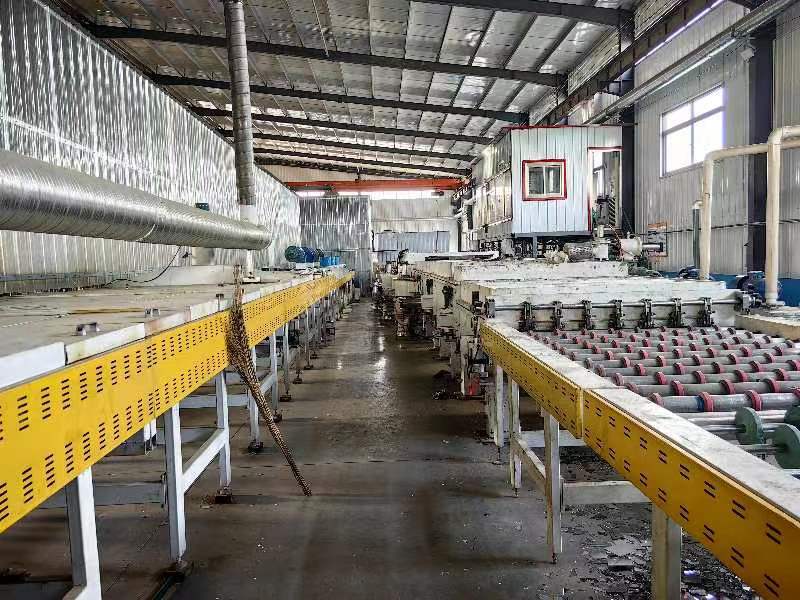
Best Practices for Operating Glass Coating Lines: Enhancing Quality and Efficiency
Table of Contents
- 1. Introduction to Glass Coating Lines
- 2. Importance of Best Practices in Glass Coating
- 3. Key Components of Glass Coating Lines
- 4. Best Practices for Operating Glass Coating Lines
- 4.1 Regular Equipment Maintenance
- 4.2 Comprehensive Operator Training
- 4.3 Rigorous Quality Control Processes
- 4.4 Maintaining a Controlled Environment
- 4.5 Adhering to Safety Protocols
- 5. Incorporating Advanced Technology
- 6. Troubleshooting Common Issues
- 7. Case Study: Successful Implementation of Best Practices
- 8. Frequently Asked Questions (FAQs)
- 9. Conclusion
1. Introduction to Glass Coating Lines
Glass coating lines play a pivotal role in the production of glass products, significantly enhancing their durability, functionality, and aesthetic appeal. Coating processes involve applying a variety of coatings to glass surfaces, ranging from paints and polymers to functional coatings that provide UV protection, anti-reflective properties, or self-cleaning features. In a competitive market, mastering the operational efficiency and output quality of glass coating lines is essential.
2. Importance of Best Practices in Glass Coating
Implementing best practices in glass coating operations is crucial for several reasons:
- **Quality Assurance**: Ensuring a consistent and high-quality finish on glass products.
- **Operational Efficiency**: Reducing waste and improving throughput.
- **Safety Compliance**: Maintaining a safe working environment for operators.
- **Cost Reduction**: Minimizing operational costs through efficient practices.
By adhering to these best practices, manufacturers can elevate their glass coating processes, leading to improved product quality and customer satisfaction.
3. Key Components of Glass Coating Lines
Understanding the key components of glass coating lines is essential for optimizing operations. These components typically include:
- **Coating Applicators**: Devices used to apply the desired coating material onto the glass surface.
- **Curing Systems**: Equipment that ensures the coatings are properly cured, either through heat or UV light.
- **Quality Inspection Systems**: Tools and technologies that inspect the final product for defects.
- **Conveyor Systems**: Mechanisms that transport glass through the coating process efficiently.
Each component plays a significant role in the overall effectiveness of the glass coating line.
4. Best Practices for Operating Glass Coating Lines
To maximize the efficiency and quality of glass coating operations, manufacturers should implement the following best practices:
4.1 Regular Equipment Maintenance
Frequent and thorough maintenance of equipment is vital in preventing downtime and ensuring optimal performance. Implement a structured maintenance schedule that includes:
- **Routine Inspections**: Conduct regular checks on all critical components to identify wear and tear.
- **Cleaning Protocols**: Maintain cleanliness to prevent contamination, which can affect coating quality.
- **Calibration**: Regularly calibrate machines to ensure they are operating within specified parameters.
Taking a proactive approach to equipment maintenance will significantly enhance the longevity of your glass coating line and the consistency of your output.
4.2 Comprehensive Operator Training
Trained operators are crucial to the success of glass coating lines. Invest in comprehensive training programs that cover:
- **Operating Procedures**: Teach staff the correct operation of all machinery and equipment.
- **Safety Protocols**: Ensure operators are aware of and adhere to safety guidelines.
- **Quality Control Measures**: Familiarize workers with quality standards and inspection techniques.
A well-trained workforce leads to reduced errors, improved efficiency, and a safer working environment.
4.3 Rigorous Quality Control Processes
Implementing stringent quality control (QC) processes is essential for maintaining the integrity of glass coatings. This includes:
- **In-Process Inspections**: Regularly check products at different stages of the coating process.
- **Final Inspections**: Conduct thorough inspections of finished products to detect defects.
- **Feedback Loops**: Establish communication channels for operators to report issues, leading to immediate corrective actions.
A strong QC framework not only enhances product quality but also fosters continuous improvement in operational processes.
4.4 Maintaining a Controlled Environment
The environment in which glass coating occurs can greatly influence the quality of the final product. To maintain a controlled environment, consider:
- **Temperature and Humidity Control**: Ensure that the operating conditions are consistent with the coating material specifications.
- **Ventilation**: Maintain proper airflow to reduce the accumulation of harmful fumes and improve working conditions.
A stable and controlled environment will contribute to consistent coating applications and improved product quality.
4.5 Adhering to Safety Protocols
Safety should be a top priority in any manufacturing environment, particularly in glass coating lines where hazardous materials may be present. Adhering to safety protocols includes:
- **Personal Protective Equipment (PPE)**: Ensure all employees wear appropriate PPE, such as gloves, masks, and goggles.
- **Emergency Procedures**: Familiarize staff with emergency procedures, including evacuation routes and first aid protocols.
- **Regular Safety Training**: Conduct periodic safety drills and training to reinforce safety practices.
A culture of safety not only protects employees but also enhances productivity by minimizing accidents and disruptions.
5. Incorporating Advanced Technology
Embracing advanced technology can lead to significant improvements in glass coating processes. Consider the following technological advancements:
- **Automated Coating Systems**: Implement automation to reduce human error and enhance precision in coating applications.
- **Real-Time Monitoring**: Utilize sensors and IoT devices to monitor equipment performance and coating quality in real-time.
- **Data Analytics**: Analyze production data to identify patterns, optimize workflows, and improve decision-making processes.
Incorporating technology not only streamlines operations but also positions manufacturers for future growth and innovation.
6. Troubleshooting Common Issues
Even with best practices in place, challenges may arise in glass coating lines. Here are some common issues and their solutions:
- **Uneven Coating**: This can often be attributed to improper applicator settings or contamination. Ensure equipment is calibrated properly and maintain cleanliness in the coating area.
- **Bubbles in Coating**: Bubbles may form due to improper curing or air entrapment. Adjust curing times and ensure proper application techniques.
- **Adhesion Problems**: If coatings are peeling or not adhering, verify surface preparation methods and ensure compatibility between coatings and substrates.
Establishing a troubleshooting guide can empower operators to quickly resolve issues, minimizing downtime and maintaining production flow.
7. Case Study: Successful Implementation of Best Practices
To illustrate the effectiveness of best practices, consider the case of a glass manufacturer that faced significant quality issues in its coating line. By implementing a comprehensive training program for operators, conducting regular maintenance, and enhancing quality control processes, the company was able to:
- Reduce defects by over 30% in just six months.
- Increase production efficiency by 25%.
- Improve employee safety and morale through a strong focus on safety protocols.
This case demonstrates that strategic implementation of best practices can lead to substantial benefits in glass coating operations.
8. Frequently Asked Questions (FAQs)
1. What types of coatings are commonly used in glass coating lines?
There are various types of coatings, including UV protective coatings, anti-reflective coatings, and decorative paints. The choice depends on the intended use of the glass products.
2. How can I ensure a safe working environment in glass coating operations?
Implementing safety protocols, providing adequate training, and ensuring the use of personal protective equipment (PPE) are essential for maintaining a safe workplace.
3. What are the common defects in glass coatings, and how can they be prevented?
Common defects include uneven coatings, bubbles, and adhesion issues. Regular equipment maintenance, thorough training, and quality control practices can help prevent these defects.
4. How does automation impact glass coating lines?
Automation can enhance precision, reduce labor costs, and improve overall efficiency by minimizing human error in the coating process.
5. Why is environmental control important in glass coating?
Maintaining a controlled environment helps ensure optimal curing conditions and minimizes defects caused by temperature and humidity fluctuations.
9. Conclusion
In the competitive landscape of glass manufacturing, adhering to best practices for operating glass coating lines is essential for achieving high-quality output and operational efficiency. By focusing on equipment maintenance, operator training, quality control, environmental stability, and safety protocols, manufacturers can significantly enhance their processes. Moreover, integrating advanced technology will position businesses for future success. Ultimately, these practices not only improve product quality but also lead to increased customer satisfaction and business growth. Embrace these strategies to elevate your glass coating operations and stay ahead in the industry.
glass coating line
News
2026-09-28

PROVIDE YOU WITH THE BEST COST PLAN
Contact Us
Wechat: +86-198 7884 1913
Add: B-11, Jiushan Area, Jindu Industrial Park, Jindu, Gaoyao District, Zhaoqing City, Guangdong, China
Connnect with us!


Website