Understanding Glass Coating Lines: Innovations in Industrial Coating Technology
Time:
2025-03-10 11:00
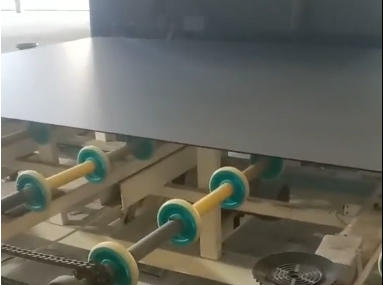
In the realm of industrial equipment, glass coating lines represent a significant innovation in the field of coating technology. These specialized production lines are designed to apply protective and decorative coatings to glass surfaces, enhancing their durability and aesthetic appeal. The process of glass coating involves several advanced techniques that ensure the final product meets high standards of quality and performance.
One of the primary functions of a glass coating line is to improve the physical properties of glass. Coatings can provide UV protection, scratch resistance, and anti-fog capabilities, making glass suitable for a wider range of applications, from automotive to architectural uses. The coatings applied in these lines are often engineered to meet specific requirements, including environmental resistance and ease of cleaning, which are vital in many industries.
The operation of a glass coating line typically involves several stages, including surface preparation, coating application, and curing. Surface preparation is crucial, as it ensures that the glass is free from contaminants that can affect coating adhesion. Techniques such as cleaning, etching, or sandblasting may be employed to achieve the desired surface profile.
Once prepared, the glass undergoes the coating application phase. This can be achieved through various methods, including spray coating, dip coating, or vacuum coating, each offering unique advantages depending on the desired coating characteristics. For instance, spray coating allows for even distribution and can accommodate complex geometries, while vacuum coating may be preferred for achieving ultra-thin layers.
The curing process is another vital aspect of the glass coating line. It involves drying and hardening the applied coating to ensure durability and performance. Curing can be achieved through heat, UV light, or chemical means, depending on the type of coating used. This step is essential, as it determines the coating's resistance to wear, environmental conditions, and other external factors.
Moreover, the adoption of automated technologies in glass coating lines enhances efficiency and precision. Automation allows for consistent quality control, reducing human error and improving production rates. Integrating sensors and real-time monitoring systems can provide valuable data on the coating process, enabling manufacturers to fine-tune operations for optimal results.
In conclusion, glass coating lines play a pivotal role in modern manufacturing by providing effective solutions for enhancing glass products. Their complex design and operation reflect the advancements in coating technology, ensuring that glass surfaces meet the diverse needs of various industries. As technology continues to evolve, we can expect even greater innovations to emerge in the field of glass coating, further enhancing the capabilities of this essential industrial equipment.
One of the primary functions of a glass coating line is to improve the physical properties of glass. Coatings can provide UV protection, scratch resistance, and anti-fog capabilities, making glass suitable for a wider range of applications, from automotive to architectural uses. The coatings applied in these lines are often engineered to meet specific requirements, including environmental resistance and ease of cleaning, which are vital in many industries.
The operation of a glass coating line typically involves several stages, including surface preparation, coating application, and curing. Surface preparation is crucial, as it ensures that the glass is free from contaminants that can affect coating adhesion. Techniques such as cleaning, etching, or sandblasting may be employed to achieve the desired surface profile.
Once prepared, the glass undergoes the coating application phase. This can be achieved through various methods, including spray coating, dip coating, or vacuum coating, each offering unique advantages depending on the desired coating characteristics. For instance, spray coating allows for even distribution and can accommodate complex geometries, while vacuum coating may be preferred for achieving ultra-thin layers.
The curing process is another vital aspect of the glass coating line. It involves drying and hardening the applied coating to ensure durability and performance. Curing can be achieved through heat, UV light, or chemical means, depending on the type of coating used. This step is essential, as it determines the coating's resistance to wear, environmental conditions, and other external factors.
Moreover, the adoption of automated technologies in glass coating lines enhances efficiency and precision. Automation allows for consistent quality control, reducing human error and improving production rates. Integrating sensors and real-time monitoring systems can provide valuable data on the coating process, enabling manufacturers to fine-tune operations for optimal results.
In conclusion, glass coating lines play a pivotal role in modern manufacturing by providing effective solutions for enhancing glass products. Their complex design and operation reflect the advancements in coating technology, ensuring that glass surfaces meet the diverse needs of various industries. As technology continues to evolve, we can expect even greater innovations to emerge in the field of glass coating, further enhancing the capabilities of this essential industrial equipment.
glass coating line
News
2026-09-28

PROVIDE YOU WITH THE BEST COST PLAN
Contact Us
Wechat: +86-198 7884 1913
Add: B-11, Jiushan Area, Jindu Industrial Park, Jindu, Gaoyao District, Zhaoqing City, Guangdong, China
Connnect with us!


Website