Unlocking the Potential of Glass Coating Lines in Industrial Applications
Time:
2025-03-16 11:00
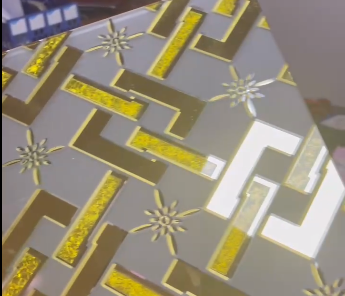
The glass coating line is an essential component in the industrial coating industry, specifically tailored for the production and coating of glass surfaces. This equipment is designed to apply various coatings to glass substrates, enhancing their performance and aesthetic appeal. Understanding the intricacies of a glass coating line can greatly benefit professionals looking to optimize their production processes and improve product quality.
One of the primary functions of a glass coating line is to apply protective coatings that enhance durability and resistance to environmental factors. These coatings can include anti-reflective, anti-scratch, or hydrophobic layers, which are crucial for applications in sectors such as automotive, architecture, and electronics. By utilizing advanced coating technologies, manufacturers can significantly extend the lifespan of glass products, reduce maintenance costs, and improve overall user satisfaction.
Efficiency is a key consideration in the design of glass coating lines. Modern lines often incorporate automated systems that streamline the coating process, minimizing human error and maximizing throughput. This automation not only increases production rates but also ensures uniform application and consistency across batches. Professionals in the industry should pay close attention to the integration of automation within their glass coating lines, as it directly impacts productivity and cost-effectiveness.
Moreover, environmental sustainability is an increasingly important focus for industrial equipment. Glass coating lines can be designed to minimize waste and energy consumption, aligning with sustainable manufacturing practices. For instance, many modern systems employ closed-loop processes and use eco-friendly materials, which can help companies meet regulatory standards while appealing to environmentally conscious consumers.
As technology evolves, so too will the capabilities of glass coating lines. Innovations such as nanotechnology and advanced robotics are set to enhance coating precision and open new avenues for product development. Professionals should remain informed about these emerging trends, as they could provide significant competitive advantages in the market.
In conclusion, a glass coating line is a critical asset in the industrial equipment sector, particularly for companies involved in glass production. By understanding the technology, embracing automation, and prioritizing sustainability, professionals can leverage these systems to improve product quality and operational efficiency. Staying ahead of technological advancements in glass coating will be key to thriving in this dynamic industry.
One of the primary functions of a glass coating line is to apply protective coatings that enhance durability and resistance to environmental factors. These coatings can include anti-reflective, anti-scratch, or hydrophobic layers, which are crucial for applications in sectors such as automotive, architecture, and electronics. By utilizing advanced coating technologies, manufacturers can significantly extend the lifespan of glass products, reduce maintenance costs, and improve overall user satisfaction.
Efficiency is a key consideration in the design of glass coating lines. Modern lines often incorporate automated systems that streamline the coating process, minimizing human error and maximizing throughput. This automation not only increases production rates but also ensures uniform application and consistency across batches. Professionals in the industry should pay close attention to the integration of automation within their glass coating lines, as it directly impacts productivity and cost-effectiveness.
Moreover, environmental sustainability is an increasingly important focus for industrial equipment. Glass coating lines can be designed to minimize waste and energy consumption, aligning with sustainable manufacturing practices. For instance, many modern systems employ closed-loop processes and use eco-friendly materials, which can help companies meet regulatory standards while appealing to environmentally conscious consumers.
As technology evolves, so too will the capabilities of glass coating lines. Innovations such as nanotechnology and advanced robotics are set to enhance coating precision and open new avenues for product development. Professionals should remain informed about these emerging trends, as they could provide significant competitive advantages in the market.
In conclusion, a glass coating line is a critical asset in the industrial equipment sector, particularly for companies involved in glass production. By understanding the technology, embracing automation, and prioritizing sustainability, professionals can leverage these systems to improve product quality and operational efficiency. Staying ahead of technological advancements in glass coating will be key to thriving in this dynamic industry.
glass coating line
News
2026-09-28

PROVIDE YOU WITH THE BEST COST PLAN
Contact Us
Wechat: +86-198 7884 1913
Add: B-11, Jiushan Area, Jindu Industrial Park, Jindu, Gaoyao District, Zhaoqing City, Guangdong, China
Connnect with us!


Website