Understanding the Role of Glass Coating Lines in Various Industries: Enhancing Durability and Aesthetics
Time:
2025-03-07 10:20
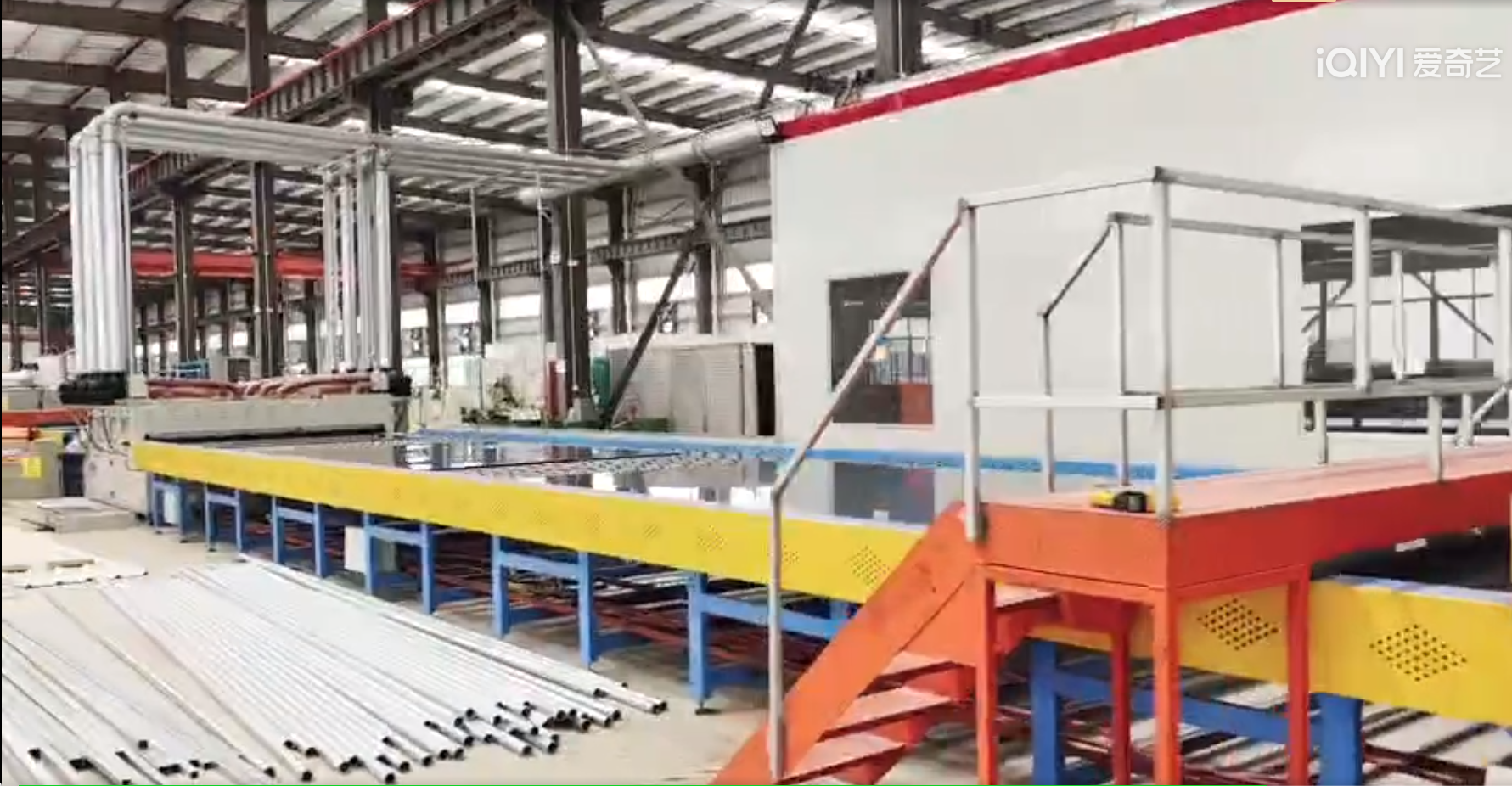
Understanding the Role of Glass Coating Lines in Various Industries
In today's fast-evolving industrial landscape, the significance of glass coating lines cannot be overstated. These specialized production systems play a vital role in enhancing the durability and aesthetics of glass products used in various applications. From the automotive sector to architecture and electronics, glass coating lines offer innovative solutions that cater to diverse needs. This article will explore the technology behind glass coating lines, their applications across different industries, and the benefits they bring.
Table of Contents
- 1. Introduction to Glass Coating Lines
- 2. The Technology Behind Glass Coating Lines
- 3. Applications Across Various Industries
- 4. Key Benefits of Glass Coating Lines
- 5. Challenges in the Glass Coating Process
- 6. The Future of Glass Coating Technology
- 7. Conclusion
- 8. Frequently Asked Questions
1. Introduction to Glass Coating Lines
The advent of glass coating lines represents a significant advancement in manufacturing technologies. These systems are designed to apply various coatings to glass surfaces, enhancing their properties and expanding their usability. Coatings can be functional, aesthetic, or protective, and are applied using different techniques, including spray, dip, and vacuum deposition methods. Understanding the role of glass coating lines is crucial for professionals involved in manufacturing, design, and application across several sectors.
2. The Technology Behind Glass Coating Lines
Glass coating technology has evolved significantly over the years. Modern coating lines employ sophisticated machinery and techniques that ensure precision and efficiency in application.
2.1 Coating Techniques
Different techniques are employed in glass coating lines, each having its unique advantages:
- **Spray Coating:** Involves the use of spray nozzles to apply a fine mist of coating material onto the glass surface. This method is ideal for large surfaces and allows for uniform coverage.
- **Dip Coating:** The glass is submerged into a tank containing the coating solution, ensuring a thick and even layer. This technique is often used for smaller items or intricate glass shapes.
- **Vacuum Deposition:** A high-tech method wherein coating materials are vaporized in a vacuum chamber and then deposited onto the glass surface. This technique is known for its high quality and precision.
2.2 Automated Systems
Advancements in automation have transformed glass coating lines, leading to increased efficiency and reduced human error. Automated systems can control the entire coating process, from surface preparation to curing, ensuring consistent quality in production.
3. Applications Across Various Industries
Glass coating lines serve numerous industries, each benefiting from the specialized properties that coatings provide.
3.1 Automotive Industry
In the automotive sector, glass coatings enhance the durability and functionality of windshields and windows. Coatings can provide hydrophobic properties, making it easier for water to bead and roll off the surface, thereby improving visibility during rain.
3.2 Architectural Applications
Architectural glass, used in facades and interiors, often requires coatings that improve thermal insulation and reduce UV radiation penetration. These coatings can enhance energy efficiency and protect interiors from fading due to sunlight exposure.
3.3 Electronics Sector
In electronics, glass coatings can provide anti-reflective and anti-fingerprint properties, making screens easier to read and maintain. Additionally, these coatings can also offer protective barriers against scratches and moisture.
3.4 Glass Packaging
The packaging industry utilizes glass coatings to improve the barrier properties of glass containers, ensuring product safety and longevity. Coatings can also enhance the appearance of packaging, making it more appealing to consumers.
4. Key Benefits of Glass Coating Lines
The incorporation of glass coating lines into manufacturing processes offers a multitude of benefits.
4.1 Enhanced Durability
Coating glass surfaces significantly increases their resistance to scratches, chemicals, and extreme weather conditions. This enhanced durability ensures that glass products maintain their integrity and functionality over time.
4.2 Improved Aesthetic Appeal
Coatings can alter the appearance of glass, providing a range of finishes from glossy to matte. This versatility allows manufacturers to create visually appealing products that meet consumer expectations and design trends.
4.3 Additional Functionalities
Beyond aesthetics and durability, coatings can impart specific functionalities such as anti-fogging, anti-microbial, or self-cleaning properties. These enhanced functionalities cater to specialized needs in various applications.
5. Challenges in the Glass Coating Process
Despite the numerous advantages, glass coating lines face several challenges:
- **Surface Preparation:** Ensuring that glass surfaces are properly cleaned and prepared is crucial for optimal adhesion of coatings. Any contaminants can lead to defects.
- **Quality Control:** Maintaining consistent quality across batches can be challenging, particularly when dealing with varying environmental conditions.
- **Material Costs:** High-quality coatings can be expensive, affecting the overall cost of production. Manufacturers must balance quality with budget constraints.
6. The Future of Glass Coating Technology
As industries continue to evolve, so too will glass coating technologies. Future developments may focus on eco-friendly coating materials and processes, alongside advancements in automation and efficiency. Innovations such as nanotechnology could also lead to the creation of smarter coatings with enhanced properties.
7. Conclusion
Glass coating lines play an essential role in various industries, transforming ordinary glass into high-performance materials. Through advanced technologies and innovative applications, these lines not only enhance durability and aesthetics but also provide additional functionalities that cater to specific industry needs. As the demand for high-quality glass products continues to rise, the importance of glass coating technology will undoubtedly grow, paving the way for new opportunities and advancements in the field.
8. Frequently Asked Questions
What are glass coating lines?
Glass coating lines are specialized production systems used to apply various coatings to glass surfaces, enhancing their properties and expanding their usability.
What types of coatings can be applied to glass?
Coatings can vary widely, including functional (anti-fog, hydrophobic), aesthetic (color, gloss), and protective (scratch-resistant, UV-blocking).
How do glass coatings improve durability?
Coatings enhance the resistance of glass surfaces to scratches, chemicals, and environmental factors, ensuring longevity and maintaining performance.
What industries benefit from glass coating lines?
Industries such as automotive, architecture, electronics, and packaging all benefit from the enhanced properties that glass coatings provide.
What challenges are associated with glass coating processes?
Challenges include ensuring proper surface preparation, maintaining quality control, and managing material costs effectively.
What is the future of glass coating technology?
The future may see advancements in eco-friendly materials, increased automation, and the application of nanotechnology for smarter coatings.
By embracing the potential of glass coating lines, industries can continue to innovate and improve their products, meeting the demands of consumers and the challenges of the market.
glass coating line
News
2026-09-28

PROVIDE YOU WITH THE BEST COST PLAN
Contact Us
Wechat: +86-198 7884 1913
Add: B-11, Jiushan Area, Jindu Industrial Park, Jindu, Gaoyao District, Zhaoqing City, Guangdong, China
Connnect with us!


Website