Achieving Consistency with Advanced Glass Coating Lines: Your Comprehensive Guide
Time:
2025-01-24 10:40
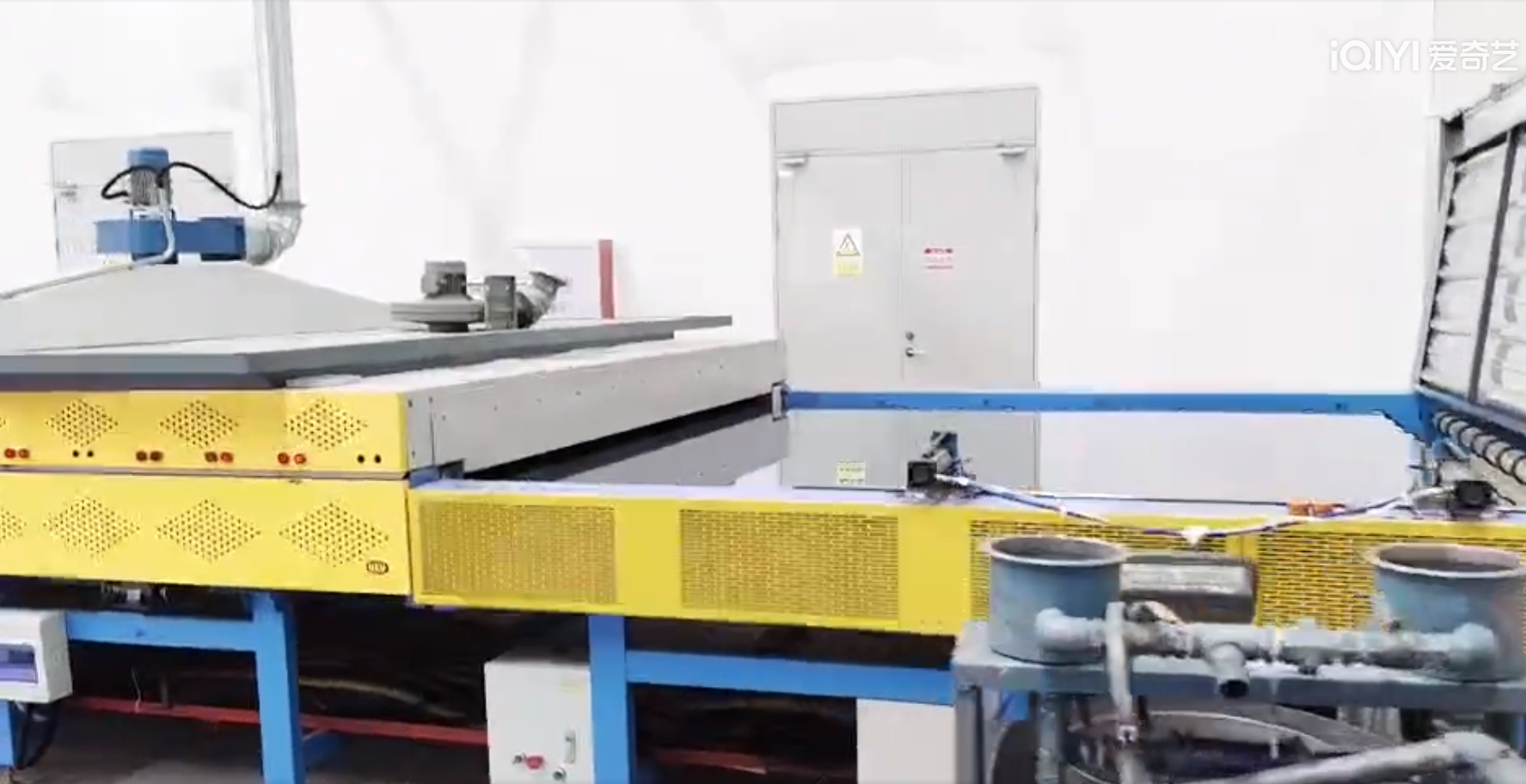
Achieving Consistency with Advanced Glass Coating Lines
Table of Contents
1. Introduction to Glass Coating Technologies
2. Understanding the Importance of Consistency in Glass Coating
3. Key Components of Advanced Glass Coating Lines
3.1 Automated Application Systems
3.2 Curing Technologies
3.3 Quality Assurance Mechanisms
4. Innovations Driving Consistency in Glass Coating Processes
4.1 Advanced Sensors and Monitoring Systems
4.2 Robotics in Coating Applications
5. Selecting the Right Materials for Coating
5.1 Types of Coating Materials
5.2 Compatibility and Performance Analysis
6. Best Practices for Achieving Consistency
6.1 Regular Maintenance and Calibration
6.2 Training and Skill Development for Operators
7. Case Studies: Success Stories in Glass Coating Consistency
8. Frequently Asked Questions (FAQs)
9. Conclusion
1. Introduction to Glass Coating Technologies
The glass industry has witnessed significant advancements in coating technologies, allowing manufacturers to enhance the properties of glass surfaces. These improvements not only improve the aesthetic appeal of glass products but also bolster their durability, energy efficiency, and functionality. As we delve deeper into the world of advanced glass coating lines, it becomes clear that consistency is paramount in achieving optimal results.
2. Understanding the Importance of Consistency in Glass Coating
Achieving consistency in glass coating processes is crucial for several reasons. First, it ensures that every piece of glass produced meets the same high-quality standards. Inconsistent coatings can lead to defects, which may compromise the integrity of the product and result in customer dissatisfaction. Furthermore, consistent application of coatings helps streamline production, minimize waste, and ultimately reduce costs.
3. Key Components of Advanced Glass Coating Lines
To achieve consistent results, it is essential to understand the key components of advanced glass coating lines.
3.1 Automated Application Systems
Automated application systems play a critical role in achieving uniform coatings. These systems utilize precise dispensing techniques to ensure that each layer of coating is applied evenly across the glass surface. This precision minimizes the risk of over-application or under-application, both of which can lead to inconsistencies.
3.2 Curing Technologies
Curing technologies are another vital aspect of glass coating lines. Depending on the type of coating, different curing methods such as UV curing, thermal curing, or chemical curing can be employed. An optimal curing process ensures that the coating adheres properly and maintains its properties over time.
3.3 Quality Assurance Mechanisms
Implementing robust quality assurance mechanisms is critical to achieving consistency. Regular inspections and testing can identify potential issues early in the production process, allowing for adjustments before defects occur. Advanced imaging technologies and automated inspection systems can significantly enhance this phase.
4. Innovations Driving Consistency in Glass Coating Processes
The glass coating industry is continually evolving, with innovations playing a key role in enhancing consistency.
4.1 Advanced Sensors and Monitoring Systems
The integration of advanced sensors and monitoring systems allows manufacturers to track variables such as temperature, humidity, and coating thickness in real-time. These data-driven insights enable operators to make informed adjustments, ensuring that the coating process remains within specified parameters.
4.2 Robotics in Coating Applications
Robotics technology is revolutionizing glass coating lines. Automated robotic arms can consistently apply coatings with precision, reducing the risk of human error. Additionally, robots can operate at high speeds, improving production efficiency without compromising quality.
5. Selecting the Right Materials for Coating
The materials chosen for glass coatings significantly impact the final product's consistency and performance.
5.1 Types of Coating Materials
Various types of coating materials are available, including organic, inorganic, and hybrid coatings. Each type has its unique properties, and selecting the appropriate material based on the intended application is crucial for achieving the desired consistency and performance.
5.2 Compatibility and Performance Analysis
Before implementing a new coating material, conducting compatibility and performance analysis is essential. This assessment ensures that the chosen material works harmoniously with existing processes and equipment, minimizing disruptions and maintaining production consistency.
6. Best Practices for Achieving Consistency
Establishing best practices is vital for maintaining consistency in glass coating processes.
6.1 Regular Maintenance and Calibration
Regular maintenance and calibration of equipment are necessary to prevent inconsistencies. Scheduled inspections, cleaning, and adjustments can help identify potential issues before they become significant problems.
6.2 Training and Skill Development for Operators
Investing in the training and skill development of operators is crucial. Well-trained personnel can better understand the intricacies of the coating process and respond effectively to any challenges that arise, ensuring consistent results.
7. Case Studies: Success Stories in Glass Coating Consistency
Several companies have successfully implemented advanced glass coating lines to achieve remarkable consistency. These case studies highlight the effectiveness of innovative technologies and best practices in maintaining high-quality standards.
One notable example involves a leading glass manufacturer that integrated robotics and automated application systems into their production line. This shift resulted in a 30% increase in production efficiency and a significant reduction in defects. By monitoring key variables with advanced sensors, the company could maintain the integrity of their coatings consistently.
8. Frequently Asked Questions (FAQs)
Q1: What are the benefits of using advanced glass coating lines?
A1: Advanced glass coating lines offer improved consistency, enhanced durability, and better aesthetic qualities for glass products.
Q2: How can I ensure consistent results in my glass coating process?
A2: Implementing automated systems, regular maintenance, and proper training for operators can significantly enhance consistency.
Q3: What types of coating materials are commonly used?
A3: Common coating materials include organic, inorganic, and hybrid coatings, each with unique properties suited for various applications.
Q4: How do curing technologies contribute to consistency?
A4: Curing technologies ensure proper adhesion and performance of coatings, preventing defects and maintaining quality over time.
Q5: What role do robotics play in glass coating lines?
A5: Robotics provide precision and speed in coating applications, reducing human error and enhancing overall production efficiency.
9. Conclusion
In conclusion, achieving consistency with advanced glass coating lines is essential for maximizing product quality and production efficiency. By leveraging cutting-edge technologies, implementing best practices, and investing in operator training, manufacturers can ensure that their glass coating processes remain reliable and effective. The future of glass coating is bright, driven by innovation and a commitment to excellence. Embracing these advancements will not only enhance operational consistency but also position manufacturers for success in an increasingly competitive market.
glass coating line
News
2026-09-28

PROVIDE YOU WITH THE BEST COST PLAN
Contact Us
Wechat: +86-198 7884 1913
Add: B-11, Jiushan Area, Jindu Industrial Park, Jindu, Gaoyao District, Zhaoqing City, Guangdong, China
Connnect with us!


Website