Optimizing Efficiency in Glass Coating Lines: Key Insights and Best Practices
Time:
2025-01-27 12:00
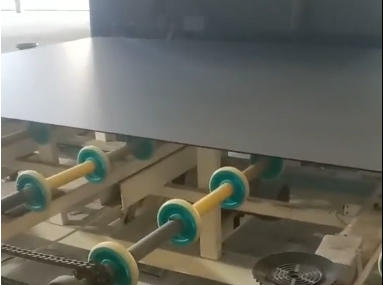
The use of glass coating lines has become increasingly relevant in various industrial applications, particularly in the automotive, architectural, and electronics sectors. These lines are designed to apply protective coatings that enhance the performance and longevity of glass products. To ensure efficiency and quality in production, several factors should be considered.
Firstly, understanding the types of coatings available is essential. Coatings can be categorized into several types, including anti-reflective, hydrophobic, and scratch-resistant coatings. Each type serves specific purposes and can significantly influence the performance characteristics of the glass. For instance, anti-reflective coatings are vital in reducing glare in automotive and optical applications, while hydrophobic coatings improve the ease of cleaning and maintain the aesthetic quality of glass surfaces.
Automation plays a crucial role in modern glass coating lines. Implementing automated systems can enhance precision and minimize human error, resulting in consistent quality across batches. Automated lines can include features such as robotic arms for coating application, curing ovens, and quality control sensors that help monitor the coating process in real-time. By investing in advanced automation technologies, companies can optimize their production efficiency and reduce operational costs.
Another critical aspect is the choice of coating materials and processes. The selection of high-quality raw materials and advanced application techniques, such as sputtering or chemical vapor deposition, can significantly impact the performance of the final product. It's essential to conduct thorough research and testing to determine the best combination of materials and processes that meet specific performance requirements.
In addition to material selection, environmental considerations are increasingly becoming a priority in the glass coating industry. Adopting eco-friendly coatings and processes not only helps in compliance with environmental regulations but also appeals to a growing market of sustainability-conscious consumers. Companies should evaluate their operations to identify areas where they can reduce waste and utilize greener materials without compromising product quality.
Lastly, continuous training and development for personnel operating glass coating lines are vital. Keeping staff informed about the latest technologies and best practices in coating applications ensures that they can operate machinery effectively and respond to any unexpected challenges. Investing in employee education fosters a culture of innovation and improvement within the organization.
In conclusion, optimizing glass coating lines requires a multifaceted approach that includes understanding coating types, embracing automation, selecting high-quality materials, prioritizing sustainability, and investing in workforce training. By focusing on these areas, industry professionals can enhance the efficiency and quality of their glass coating operations, ultimately leading to better products and increased customer satisfaction.
Firstly, understanding the types of coatings available is essential. Coatings can be categorized into several types, including anti-reflective, hydrophobic, and scratch-resistant coatings. Each type serves specific purposes and can significantly influence the performance characteristics of the glass. For instance, anti-reflective coatings are vital in reducing glare in automotive and optical applications, while hydrophobic coatings improve the ease of cleaning and maintain the aesthetic quality of glass surfaces.
Automation plays a crucial role in modern glass coating lines. Implementing automated systems can enhance precision and minimize human error, resulting in consistent quality across batches. Automated lines can include features such as robotic arms for coating application, curing ovens, and quality control sensors that help monitor the coating process in real-time. By investing in advanced automation technologies, companies can optimize their production efficiency and reduce operational costs.
Another critical aspect is the choice of coating materials and processes. The selection of high-quality raw materials and advanced application techniques, such as sputtering or chemical vapor deposition, can significantly impact the performance of the final product. It's essential to conduct thorough research and testing to determine the best combination of materials and processes that meet specific performance requirements.
In addition to material selection, environmental considerations are increasingly becoming a priority in the glass coating industry. Adopting eco-friendly coatings and processes not only helps in compliance with environmental regulations but also appeals to a growing market of sustainability-conscious consumers. Companies should evaluate their operations to identify areas where they can reduce waste and utilize greener materials without compromising product quality.
Lastly, continuous training and development for personnel operating glass coating lines are vital. Keeping staff informed about the latest technologies and best practices in coating applications ensures that they can operate machinery effectively and respond to any unexpected challenges. Investing in employee education fosters a culture of innovation and improvement within the organization.
In conclusion, optimizing glass coating lines requires a multifaceted approach that includes understanding coating types, embracing automation, selecting high-quality materials, prioritizing sustainability, and investing in workforce training. By focusing on these areas, industry professionals can enhance the efficiency and quality of their glass coating operations, ultimately leading to better products and increased customer satisfaction.
glass coating line
News
2026-09-28

PROVIDE YOU WITH THE BEST COST PLAN
Contact Us
Wechat: +86-198 7884 1913
Add: B-11, Jiushan Area, Jindu Industrial Park, Jindu, Gaoyao District, Zhaoqing City, Guangdong, China
Connnect with us!


Website