Maximizing Efficiency and Quality: Insights into Glass Coating Lines
Time:
2025-01-21 10:40
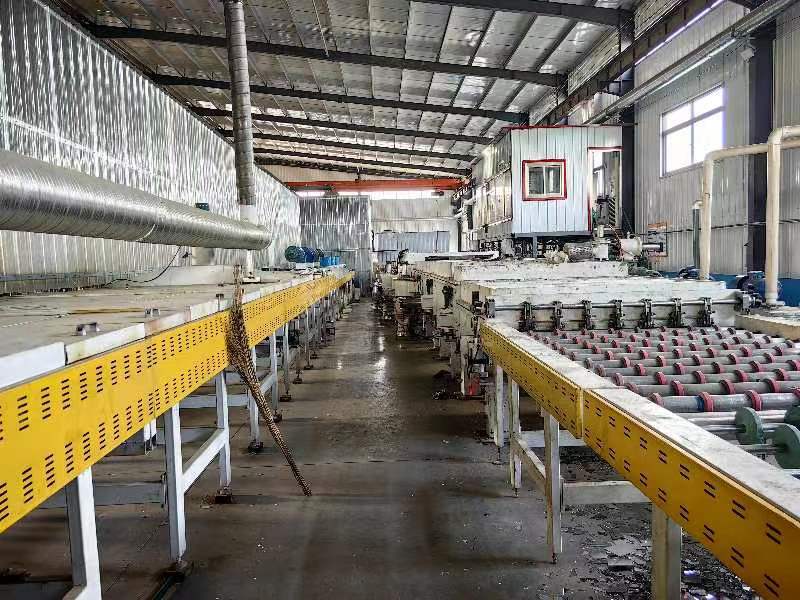
The glass coating line is an essential component in the industrial equipment and components sector, particularly within the realm of coating production lines. It plays a pivotal role in enhancing the surface properties of glass, thereby improving its aesthetic appeal and functional performance. Understanding the intricacies of glass coating lines can greatly assist organizations in optimizing production processes and achieving superior results.
At its core, a glass coating line encompasses several key stages: cleaning, coating application, drying, and quality inspection. Each stage is crucial to ensure that the final product meets stringent quality standards. The cleaning phase removes any contaminants from the glass surface, which is vital for ensuring proper adhesion of the coating material. Advanced cleaning technologies, such as ultrasonic or high-pressure washing, can significantly enhance the effectiveness of this process.
The coating application stage is where the choice of coating material becomes critical. Options range from anti-reflective coatings to protective clear coatings, each serving different purposes. The application methods can vary as well, including spray, dip, or roll coating, depending on the desired outcome and the specific production requirements. Leveraging automated systems in this stage can result in consistent application and reduced material waste.
Once the coating is applied, the drying process must be carefully controlled. The drying conditions, including temperature and airflow, can impact the coating's final properties. Innovations in drying technologies, such as infrared or UV drying, can expedite the process and enhance the coating's durability.
Quality inspection is the final stage of a glass coating line and serves to ensure that the finished products meet both internal and external standards. Implementing automated inspection systems can improve accuracy and reduce human error, allowing for real-time feedback and adjustments during production.
Furthermore, integrating Industry 4.0 principles into glass coating lines can enhance operational efficiency. By utilizing IoT devices, manufacturers can monitor equipment performance, predict maintenance needs, and analyze production data to optimize processes. This data-driven approach not only boosts productivity but also contributes to sustainability efforts by minimizing waste and energy consumption.
In conclusion, understanding the dynamics of a glass coating line is essential for industry professionals aiming to enhance their production capabilities. By focusing on the critical stages of cleaning, coating application, drying, and quality inspection, organizations can maximize efficiency and maintain high-quality standards in their products. Continuous innovation and embracing new technologies will be key factors in remaining competitive in the evolving landscape of industrial coating equipment.
At its core, a glass coating line encompasses several key stages: cleaning, coating application, drying, and quality inspection. Each stage is crucial to ensure that the final product meets stringent quality standards. The cleaning phase removes any contaminants from the glass surface, which is vital for ensuring proper adhesion of the coating material. Advanced cleaning technologies, such as ultrasonic or high-pressure washing, can significantly enhance the effectiveness of this process.
The coating application stage is where the choice of coating material becomes critical. Options range from anti-reflective coatings to protective clear coatings, each serving different purposes. The application methods can vary as well, including spray, dip, or roll coating, depending on the desired outcome and the specific production requirements. Leveraging automated systems in this stage can result in consistent application and reduced material waste.
Once the coating is applied, the drying process must be carefully controlled. The drying conditions, including temperature and airflow, can impact the coating's final properties. Innovations in drying technologies, such as infrared or UV drying, can expedite the process and enhance the coating's durability.
Quality inspection is the final stage of a glass coating line and serves to ensure that the finished products meet both internal and external standards. Implementing automated inspection systems can improve accuracy and reduce human error, allowing for real-time feedback and adjustments during production.
Furthermore, integrating Industry 4.0 principles into glass coating lines can enhance operational efficiency. By utilizing IoT devices, manufacturers can monitor equipment performance, predict maintenance needs, and analyze production data to optimize processes. This data-driven approach not only boosts productivity but also contributes to sustainability efforts by minimizing waste and energy consumption.
In conclusion, understanding the dynamics of a glass coating line is essential for industry professionals aiming to enhance their production capabilities. By focusing on the critical stages of cleaning, coating application, drying, and quality inspection, organizations can maximize efficiency and maintain high-quality standards in their products. Continuous innovation and embracing new technologies will be key factors in remaining competitive in the evolving landscape of industrial coating equipment.
glass coating line
News
2026-09-28

PROVIDE YOU WITH THE BEST COST PLAN
Contact Us
Wechat: +86-198 7884 1913
Add: B-11, Jiushan Area, Jindu Industrial Park, Jindu, Gaoyao District, Zhaoqing City, Guangdong, China
Connnect with us!


Website