Understanding Vertical Vacuum Coating Machines: Advancements and Applications in Post-Processing Machinery
Time:
2026-09-28 09:01
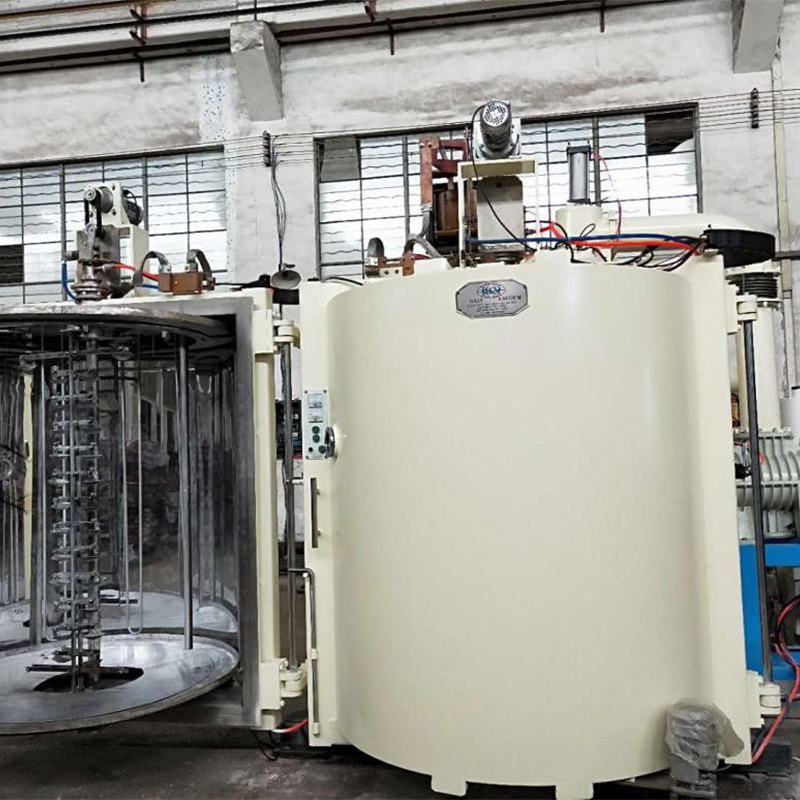
Vertical vacuum coating machines have emerged as pivotal technologies in the realm of manufacturing and post-processing, particularly in lamination applications. These machines utilize vacuum deposition techniques to apply thin film coatings on various substrates, enhancing their properties and performance. The operational principles of a vertical vacuum coating machine revolve around the creation of a vacuum environment, which allows for the controlled deposition of materials, such as metals, oxides, and polymers, onto the surface of the substrate.
One of the primary advantages of utilizing vertical vacuum coating machines is their capacity for precision and uniformity. The vacuum environment significantly reduces the presence of contaminants, ensuring that the coatings adhere properly and exhibit high quality. This is particularly beneficial in industries where surface integrity is paramount, such as electronics, optics, and packaging.
In the lamination process, vertical vacuum coating machines play a crucial role. They are employed to apply protective layers on films, foils, and paper products, improving their durability and resistance to environmental factors. This is especially advantageous in the production of packaging materials, where barrier properties are essential for preserving the contents and extending shelf life. The ability to coat substrates with various materials also allows manufacturers to tailor the characteristics of the final product, optimizing it for specific applications.
Moreover, vertical vacuum coating machines are known for their energy efficiency and reduced material waste. The controlled deposition process minimizes excess material usage, making them an environmentally friendly option for manufacturers. Additionally, advancements in technology have led to the development of more compact and cost-effective models, making these machines accessible to a wider range of businesses.
From an operational standpoint, navigating the complexities of vertical vacuum coating machines requires a solid understanding of the parameters that influence coating quality. Factors such as vacuum levels, deposition rates, and substrate temperature must be meticulously controlled to achieve the desired outcomes. Regular maintenance and monitoring of the equipment are also crucial to ensure consistent performance and longevity.
In conclusion, vertical vacuum coating machines represent a significant advancement in the field of manufacturing and post-processing machinery. Their ability to provide high-quality coatings with precision and efficiency makes them indispensable in various industries. For businesses looking to enhance their production capabilities, incorporating vertical vacuum coating technology can lead to improved product performance and competitiveness in the market. As the industry continues to evolve, staying informed about the latest developments in vertical vacuum coating technology is essential for manufacturers aiming to thrive in a dynamic environment.
One of the primary advantages of utilizing vertical vacuum coating machines is their capacity for precision and uniformity. The vacuum environment significantly reduces the presence of contaminants, ensuring that the coatings adhere properly and exhibit high quality. This is particularly beneficial in industries where surface integrity is paramount, such as electronics, optics, and packaging.
In the lamination process, vertical vacuum coating machines play a crucial role. They are employed to apply protective layers on films, foils, and paper products, improving their durability and resistance to environmental factors. This is especially advantageous in the production of packaging materials, where barrier properties are essential for preserving the contents and extending shelf life. The ability to coat substrates with various materials also allows manufacturers to tailor the characteristics of the final product, optimizing it for specific applications.
Moreover, vertical vacuum coating machines are known for their energy efficiency and reduced material waste. The controlled deposition process minimizes excess material usage, making them an environmentally friendly option for manufacturers. Additionally, advancements in technology have led to the development of more compact and cost-effective models, making these machines accessible to a wider range of businesses.
From an operational standpoint, navigating the complexities of vertical vacuum coating machines requires a solid understanding of the parameters that influence coating quality. Factors such as vacuum levels, deposition rates, and substrate temperature must be meticulously controlled to achieve the desired outcomes. Regular maintenance and monitoring of the equipment are also crucial to ensure consistent performance and longevity.
In conclusion, vertical vacuum coating machines represent a significant advancement in the field of manufacturing and post-processing machinery. Their ability to provide high-quality coatings with precision and efficiency makes them indispensable in various industries. For businesses looking to enhance their production capabilities, incorporating vertical vacuum coating technology can lead to improved product performance and competitiveness in the market. As the industry continues to evolve, staying informed about the latest developments in vertical vacuum coating technology is essential for manufacturers aiming to thrive in a dynamic environment.
Vertical vacuum coating machine
Previous
News
2026-09-28

PROVIDE YOU WITH THE BEST COST PLAN
Contact Us
Wechat: +86-198 7884 1913
Add: B-11, Jiushan Area, Jindu Industrial Park, Jindu, Gaoyao District, Zhaoqing City, Guangdong, China
Connnect with us!


Website