Comprehensive Guide to Implementing an Ultra-thin Aluminum Mirror Coating Production Line
Time:
2026-09-21 09:01
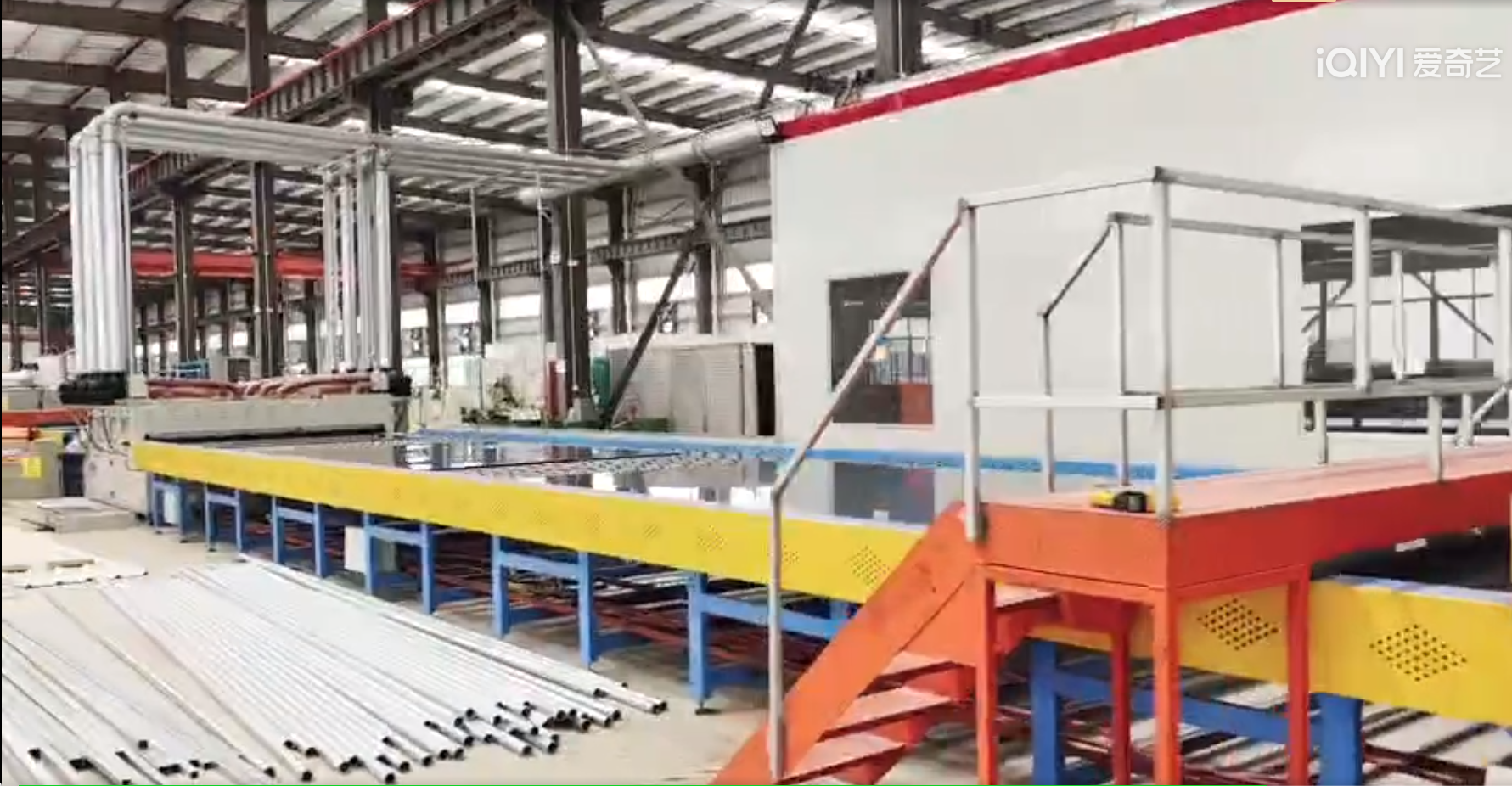
Steps to Implementing an Ultra-thin Aluminum Mirror Coating Production Line
Table of Contents
- Introduction to Ultra-thin Aluminum Mirror Coating
- Understanding the Ultra-thin Aluminum Mirror Coating Process
- Planning and Designing Your Production Line
- Selecting Equipment for Aluminum Mirror Coating
- Installation and Setup of the Production Line
- Training Staff for Optimal Production
- Implementing Quality Control Measures
- Launching and Evaluating Your Production Line
- Conclusion
- Frequently Asked Questions
Introduction to Ultra-thin Aluminum Mirror Coating
In the modern manufacturing landscape, the demand for high-quality reflective surfaces has surged, particularly in sectors like optics, electronics, and automotive industries. Ultra-thin aluminum mirror coatings are pivotal in producing high-performance mirrors that exhibit superior reflectivity and durability. Implementing an efficient production line for these coatings is crucial not only for meeting market demands but also for achieving operational excellence. This guide will elucidate the critical steps involved in setting up an ultra-thin aluminum mirror coating production line.
Understanding the Ultra-thin Aluminum Mirror Coating Process
To successfully implement a production line, it’s essential to comprehend the underlying processes involved in aluminum mirror coating.
The Coating Process
The production of ultra-thin aluminum mirrors typically involves the following stages:
1. **Substrate Preparation**: The initial step requires selecting and preparing the appropriate substrates, usually glass or plastic. The substrate surface must be meticulously cleaned and polished to ensure optimal adhesion of the aluminum layer.
2. **Deposition Techniques**: The aluminum coating can be applied using various methods, such as:
- **Physical Vapor Deposition (PVD)**: A widely used technique where aluminum is vaporized in a vacuum environment and deposited onto the substrate.
- **Sputtering**: A process where high-energy ions bombard a target aluminum source, causing aluminum atoms to be ejected and deposited onto the substrate.
3. **Layer Thickness Control**: Maintaining precise control over the thickness of the aluminum layer is vital. Thin layers (often just a few nanometers) ensure high reflectivity while preventing issues such as flaking or poor adhesion.
4. **Post-coating Treatments**: After the aluminum layer is applied, additional treatments such as anti-reflective coatings or protective layers may be added to enhance performance and longevity.
Planning and Designing Your Production Line
A well-structured plan is foundational for the successful implementation of an ultra-thin aluminum mirror coating production line.
Defining Production Goals
Establish clear production goals that align with market needs. Consider factors such as:
- **Production Capacity**: Determine how many units you aim to produce daily.
- **Quality Standards**: Define the quality benchmarks that your products must meet.
Creating a Layout Design
Designing the layout of your production facility should focus on:
- **Efficiency**: Minimize unnecessary movement of materials and personnel.
- **Workflow**: Ensure a logical progression from substrate preparation to coating and finishing processes.
- **Safety**: Incorporate safety features to protect workers and comply with regulatory standards.
Selecting Equipment for Aluminum Mirror Coating
Choosing the right equipment is critical to the success of your production line.
Essential Equipment Components
1. **Coating Machines**: Depending on your chosen coating method (PVD, sputtering), select machines that offer precision and reliability.
2. **Vacuum Systems**: Invest in high-quality vacuum systems to maintain the necessary environment for effective coating.
3. **Control Systems**: Implement advanced control systems that allow for real-time monitoring and adjustments during production.
4. **Quality Inspection Tools**: Equip your facility with tools for measuring reflectivity, layer thickness, and surface quality.
Installation and Setup of the Production Line
Once you have selected the necessary equipment, the next step involves installation and setup.
Site Preparation
Prepare the production area by ensuring proper ventilation, electrical supply, and safety measures are in place.
Equipment Installation
Follow the manufacturer’s guidelines for equipment installation to ensure optimal performance. Engage qualified technicians for setup to minimize errors.
Initial Calibration and Testing
Before commencing full-scale production, conduct thorough testing and calibration of all equipment to ensure they function correctly and meet quality standards.
Training Staff for Optimal Production
An effective production line relies heavily on skilled personnel.
Comprehensive Training Programs
Implement detailed training programs covering:
- **Operational Procedures**: Teach staff how to operate machinery safely and efficiently.
- **Quality Standards**: Instill the importance of adhering to quality control measures.
- **Safety Protocols**: Ensure that all employees understand safety regulations and emergency procedures.
Implementing Quality Control Measures
Quality control is paramount in manufacturing ultra-thin aluminum mirrors.
Establishing a Quality Control System
1. **Routine Inspections**: Conduct regular inspections throughout the production process to catch defects early.
2. **Testing Procedures**: Implement standardized testing procedures for reflectivity and durability to ensure product consistency.
3. **Feedback Loops**: Create mechanisms for collecting feedback from quality control personnel and production staff to continuously improve processes.
Launching and Evaluating Your Production Line
With the production line set up, the final step is launch and evaluation.
Soft Launch
Consider a soft launch, producing a limited number of units to assess workflow and identify any issues needing resolution.
Performance Evaluation
Evaluate production metrics such as:
- **Output Rates**: Monitor the number of units produced against established goals.
- **Quality Metrics**: Assess the quality of output and rate of defects.
Conclusion
Implementing an ultra-thin aluminum mirror coating production line is a multifaceted process that demands careful planning and execution. By understanding the coating process, designing an efficient layout, selecting appropriate equipment, and prioritizing staff training and quality control, manufacturers can establish a production line that not only meets but exceeds market expectations. The investment in time and resources will lead to enhanced efficiency, product quality, and ultimately, a competitive edge in the industry.
Frequently Asked Questions
1. What is the average cost of setting up an ultra-thin aluminum mirror coating production line?
The cost can vary widely depending on the scale of production and equipment chosen, but a comprehensive setup could range from several hundred thousand to millions of dollars.
2. How long does it take to set up a production line?
The setup timeframe can range from a few months to over a year, depending on the complexity of the line and the availability of equipment.
3. What safety standards must be followed in a coating facility?
Facilities must comply with local regulations regarding air quality, worker safety, and chemical handling practices.
4. Can I retrofit an existing production line for aluminum mirror coating?
Yes, retrofitting is possible, but it requires careful evaluation of existing equipment and workflows to ensure compatibility with new technologies.
5. What are the common challenges faced in aluminum mirror coating production?
Challenges may include maintaining consistent quality, managing production efficiency, and minimizing equipment downtime.
Ultra-thin aluminum mirror coating production line
News

PROVIDE YOU WITH THE BEST COST PLAN
Contact Us
Wechat: +86-198 7884 1913
Add: B-11, Jiushan Area, Jindu Industrial Park, Jindu, Gaoyao District, Zhaoqing City, Guangdong, China
Connnect with us!


Website