Unlocking the Potential of Vacuum Coating Machines in Post-Press Processing
Time:
2026-06-22 17:20
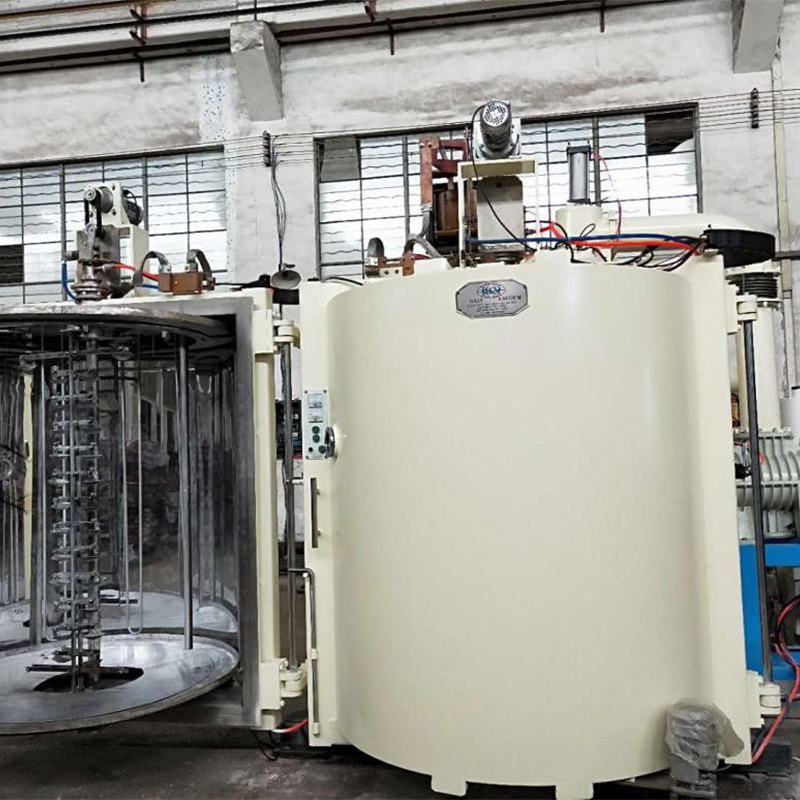
Vacuum coating machines are essential tools in the manufacturing and processing industry, particularly in the post-press segment where they excel in adding value to various products. These machines utilize a sophisticated process that involves depositing thin films of materials onto substrates in a vacuum environment, resulting in enhanced surface properties and aesthetic appeal.
One of the primary advantages of vacuum coating technology is its ability to apply various coatings, such as metals, oxides, and polymers, with exceptional precision. This is achieved through processes like Physical Vapor Deposition (PVD) and Chemical Vapor Deposition (CVD). In the PVD process, materials are vaporized in a vacuum and condense on the surface of the substrate, creating a strong bond. CVD, on the other hand, involves chemical reactions that result in the formation of coatings on the substrate surface. Both methods are highly effective in producing coatings that improve durability, corrosion resistance, and optical properties.
In the context of post-press processing, vacuum coating machines play a crucial role in enhancing the functionality and appearance of printed materials. For instance, they can be employed to apply protective coatings on printed paper, ensuring longevity and vibrancy of colors. This is particularly important in industries where presentation matters, such as packaging and promotional materials. The ability to deliver a gloss or matte finish through vacuum coating can elevate the overall aesthetic, making products more appealing to consumers.
Moreover, vacuum coating machines are versatile and can be integrated into various production lines. Their adaptability allows manufacturers to tailor the coating processes to meet specific requirements, whether for small batches or large-scale production. This flexibility is a significant advantage in today’s fast-paced manufacturing environments, where customization and rapid turnaround times are critical.
Furthermore, advancements in vacuum coating technology have led to increased energy efficiency and reduced waste. Modern machines are designed to optimize resource use, resulting in not only economic benefits but also a lower environmental impact. This is becoming increasingly important as industries strive to meet sustainability goals and reduce their carbon footprints.
In addition to the technological advantages, investing in vacuum coating machines can lead to improved product performance. Coatings can enhance attributes such as scratch resistance, UV protection, and thermal stability, which are essential for products exposed to demanding conditions.
In summary, vacuum coating machines are pivotal in the post-press processing sector, offering a plethora of benefits from enhanced product durability to improved aesthetics. Their ability to deliver high-quality coatings efficiently makes them an invaluable asset in any manufacturing setup. Understanding and leveraging the capabilities of these machines can lead to significant advancements in product quality and process efficiency, providing manufacturers with a competitive edge in the market.
One of the primary advantages of vacuum coating technology is its ability to apply various coatings, such as metals, oxides, and polymers, with exceptional precision. This is achieved through processes like Physical Vapor Deposition (PVD) and Chemical Vapor Deposition (CVD). In the PVD process, materials are vaporized in a vacuum and condense on the surface of the substrate, creating a strong bond. CVD, on the other hand, involves chemical reactions that result in the formation of coatings on the substrate surface. Both methods are highly effective in producing coatings that improve durability, corrosion resistance, and optical properties.
In the context of post-press processing, vacuum coating machines play a crucial role in enhancing the functionality and appearance of printed materials. For instance, they can be employed to apply protective coatings on printed paper, ensuring longevity and vibrancy of colors. This is particularly important in industries where presentation matters, such as packaging and promotional materials. The ability to deliver a gloss or matte finish through vacuum coating can elevate the overall aesthetic, making products more appealing to consumers.
Moreover, vacuum coating machines are versatile and can be integrated into various production lines. Their adaptability allows manufacturers to tailor the coating processes to meet specific requirements, whether for small batches or large-scale production. This flexibility is a significant advantage in today’s fast-paced manufacturing environments, where customization and rapid turnaround times are critical.
Furthermore, advancements in vacuum coating technology have led to increased energy efficiency and reduced waste. Modern machines are designed to optimize resource use, resulting in not only economic benefits but also a lower environmental impact. This is becoming increasingly important as industries strive to meet sustainability goals and reduce their carbon footprints.
In addition to the technological advantages, investing in vacuum coating machines can lead to improved product performance. Coatings can enhance attributes such as scratch resistance, UV protection, and thermal stability, which are essential for products exposed to demanding conditions.
In summary, vacuum coating machines are pivotal in the post-press processing sector, offering a plethora of benefits from enhanced product durability to improved aesthetics. Their ability to deliver high-quality coatings efficiently makes them an invaluable asset in any manufacturing setup. Understanding and leveraging the capabilities of these machines can lead to significant advancements in product quality and process efficiency, providing manufacturers with a competitive edge in the market.
vacuum coating machine
Previous
News

PROVIDE YOU WITH THE BEST COST PLAN
Contact Us
Wechat: +86-198 7884 1913
Add: B-11, Jiushan Area, Jindu Industrial Park, Jindu, Gaoyao District, Zhaoqing City, Guangdong, China
Connnect with us!


Website