Optimizing the Production of Curtain Wall Glass Coating: A Comprehensive Guide
Time:
2026-05-25 10:40
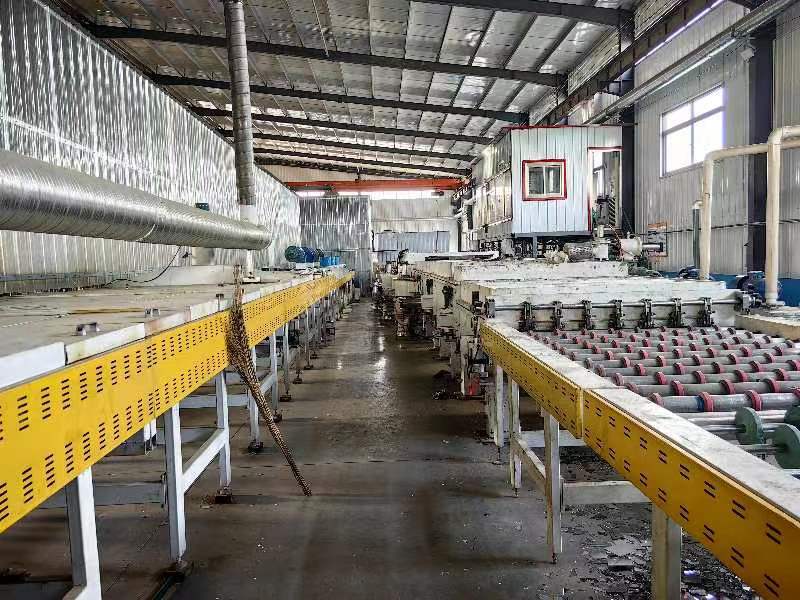
In the manufacturing sector, especially within the realm of industrial assembly lines and production lines, curtain wall glass coating production lines hold significant importance. These lines are specially designed to apply protective and aesthetic coatings to glass panels that are used in modern architectural designs. The coating not only enhances the glass's visual appeal but also provides essential properties such as UV protection, thermal insulation, and scratch resistance.
The production line typically consists of several stages, including pre-treatment, coating application, curing, and quality inspection. Each stage plays a vital role in ensuring that the final product meets industry standards while maintaining efficiency in the production process.
In the pre-treatment phase, glass panels undergo cleaning and surface preparation to ensure proper adhesion of the coating. This process may involve the use of chemical agents and high-pressure cleaning systems to remove contaminants such as dust, oil, and fingerprints. Proper pre-treatment is critical, as it significantly impacts the durability and performance of the coating.
The coating application stage is where advanced technologies, such as automated spray systems and roll coating techniques, come into play. These systems are designed to provide uniform coverage and minimize waste. Automation in this phase can lead to increased throughput and reduced labor costs, making it a vital component of the production line.
Following application, the glass panels are subjected to a curing process, which can involve heat or UV light, depending on the type of coating used. Curing is essential for achieving the desired hardness and adhesion of the coating. Manufacturers often invest in energy-efficient curing technologies, which not only enhance performance but also align with sustainability goals.
After curing, the quality inspection phase is implemented to ensure that each glass panel meets the required specifications. This may involve visual inspections, thickness measurements, and tests for adherence and durability. Quality assurance is crucial in maintaining the integrity of the final product and ensuring customer satisfaction.
Furthermore, advancements in digital monitoring and control technologies have enhanced the efficiency of curtain wall glass coating production lines. These systems provide real-time data on production metrics, enabling manufacturers to quickly address any issues that arise during the coating process. Such technologies not only optimize performance but also aid in maintaining consistent quality across batches.
In conclusion, curtain wall glass coating production lines are integral to the glass manufacturing industry, combining advanced technology with meticulous processes to deliver high-quality products. Understanding each stage of the production line enables manufacturers to optimize operations, ensure quality, and meet the growing demands of the architectural market. By embracing innovation and efficiency, companies can further enhance their competitive edge in this dynamic industry.
The production line typically consists of several stages, including pre-treatment, coating application, curing, and quality inspection. Each stage plays a vital role in ensuring that the final product meets industry standards while maintaining efficiency in the production process.
In the pre-treatment phase, glass panels undergo cleaning and surface preparation to ensure proper adhesion of the coating. This process may involve the use of chemical agents and high-pressure cleaning systems to remove contaminants such as dust, oil, and fingerprints. Proper pre-treatment is critical, as it significantly impacts the durability and performance of the coating.
The coating application stage is where advanced technologies, such as automated spray systems and roll coating techniques, come into play. These systems are designed to provide uniform coverage and minimize waste. Automation in this phase can lead to increased throughput and reduced labor costs, making it a vital component of the production line.
Following application, the glass panels are subjected to a curing process, which can involve heat or UV light, depending on the type of coating used. Curing is essential for achieving the desired hardness and adhesion of the coating. Manufacturers often invest in energy-efficient curing technologies, which not only enhance performance but also align with sustainability goals.
After curing, the quality inspection phase is implemented to ensure that each glass panel meets the required specifications. This may involve visual inspections, thickness measurements, and tests for adherence and durability. Quality assurance is crucial in maintaining the integrity of the final product and ensuring customer satisfaction.
Furthermore, advancements in digital monitoring and control technologies have enhanced the efficiency of curtain wall glass coating production lines. These systems provide real-time data on production metrics, enabling manufacturers to quickly address any issues that arise during the coating process. Such technologies not only optimize performance but also aid in maintaining consistent quality across batches.
In conclusion, curtain wall glass coating production lines are integral to the glass manufacturing industry, combining advanced technology with meticulous processes to deliver high-quality products. Understanding each stage of the production line enables manufacturers to optimize operations, ensure quality, and meet the growing demands of the architectural market. By embracing innovation and efficiency, companies can further enhance their competitive edge in this dynamic industry.
Curtain wall glass coating production line
News

PROVIDE YOU WITH THE BEST COST PLAN
Contact Us
Wechat: +86-198 7884 1913
Add: B-11, Jiushan Area, Jindu Industrial Park, Jindu, Gaoyao District, Zhaoqing City, Guangdong, China
Connnect with us!


Website