Innovative Designs: Exploring Applications of Frosted Decorative Glass in Modern Architecture
Time:
2026-06-15 10:30
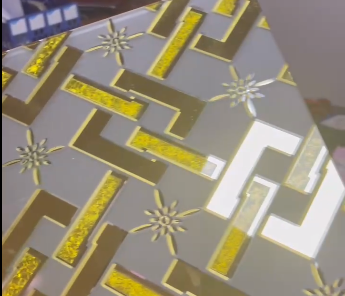
Innovative Designs: Exploring Applications of Frosted Decorative Glass in Modern Architecture
Table of Contents
1. Introduction to Frosted Decorative Glass
2. The Aesthetic Appeal of Frosted Glass
3. Functional Benefits of Frosted Decorative Glass
3.1. Enhancing Privacy in Public and Private Spaces
3.2. Light Diffusion and Natural Illumination
4. Applications in Architectural Design
4.1. Residential Uses of Frosted Glass
4.2. Commercial Applications of Frosted Glass
5. Innovations in Frosted Glass Design
6. Choosing the Right Type of Frosted Glass for Your Project
7. Maintenance and Care for Frosted Glass
8. Conclusion
9. Frequently Asked Questions (FAQs)
1. Introduction to Frosted Decorative Glass
Frosted decorative glass is a unique material that blends functionality with artistic flair. It is created through the process of sandblasting or acid etching, which gives the glass a translucent finish while maintaining durability and versatility. This innovative design element is increasingly popular in both residential and commercial applications, serving not just as a barrier but as a medium for artistic expression.
2. The Aesthetic Appeal of Frosted Glass
Frosted glass offers a contemporary look that complements a wide range of architectural styles. Whether in minimalist designs or more traditional settings, its soft diffusion of light adds elegance and sophistication. The subtle texture of frosted glass can create stunning visual effects, transforming ordinary spaces into extraordinary environments.
3. Functional Benefits of Frosted Decorative Glass
The advantages of frosted glass extend beyond mere aesthetics. It is also a highly functional material that serves multiple purposes in modern architecture.
3.1. Enhancing Privacy in Public and Private Spaces
One of the primary benefits of frosted decorative glass is its ability to enhance privacy. It obscures the view while allowing natural light to filter through, making it ideal for glass partitions, bathroom windows, and office spaces. By incorporating frosted glass, designers can create inviting environments that maintain a sense of openness without compromising on privacy.
3.2. Light Diffusion and Natural Illumination
Frosted glass also plays a crucial role in optimizing natural illumination. The diffused light creates an inviting atmosphere, reducing harsh shadows and glare. This quality makes it an excellent choice for areas such as lobbies, conference rooms, and homes where a soft, ambient light is desired.
4. Applications in Architectural Design
The versatility of frosted decorative glass allows for a myriad of applications across different sectors.
4.1. Residential Uses of Frosted Glass
In residential spaces, frosted glass can be used in various applications, from bathroom windows to interior sliding doors. Its ability to maintain privacy while allowing light to flow freely makes it a favored choice among homeowners. Additionally, it can be incorporated into shower enclosures, kitchen backsplashes, and even decorative wall panels, enhancing the overall aesthetic of the home.
4.2. Commercial Applications of Frosted Glass
In commercial settings, frosted glass is often utilized in office partitions and conference rooms. It creates a modern look while providing the necessary privacy for meetings and discussions. Retail spaces also benefit from frosted glass, as it can be used in storefronts and display cases, allowing products to be showcased without compromising security.
5. Innovations in Frosted Glass Design
The design possibilities with frosted glass are expanding, thanks to advancements in technology and creative artistry. Contemporary designers are experimenting with different patterns, colors, and textures, pushing the boundaries of traditional frosted glass. Innovations such as digitally printed frosted glass allow for unique designs tailored to specific projects, providing endless customization options for architects and designers.
6. Choosing the Right Type of Frosted Glass for Your Project
When selecting frosted glass for a project, it is essential to consider the specific requirements and desired outcomes. Factors such as thickness, pattern, and treatment method can significantly impact performance and aesthetics. Collaborating with experienced suppliers and designers can help ensure that the chosen glass aligns with the overall vision of the project while meeting functional needs.
7. Maintenance and Care for Frosted Glass
Frosted glass is relatively low maintenance, but proper care is essential to keep it looking its best. Regular cleaning with non-abrasive cleaners and soft cloths will prevent the buildup of grime and maintain its aesthetic appeal. Avoid using harsh chemicals or abrasive materials that could scratch or damage the surface.
8. Conclusion
Frosted decorative glass is more than just a practical solution for privacy and light diffusion; it is a versatile design element that can elevate the aesthetic of any space. Its applications in both residential and commercial settings showcase its adaptability and innovative potential. By exploring the myriad options available, architects and designers can harness the power of frosted glass to create stunning environments that balance beauty and functionality.
9. Frequently Asked Questions (FAQs)
What is frosted decorative glass made of?
Frosted decorative glass is typically made from standard glass that undergoes a treatment process such as sandblasting or acid etching to create its characteristic frosted appearance.
How can I clean frosted glass without damaging it?
To clean frosted glass, use a soft cloth or sponge with a non-abrasive glass cleaner. Avoid harsh chemicals and abrasive materials that could scratch the surface.
Is frosted glass suitable for exterior use?
Yes, frosted glass can be used for exterior applications, such as windows and doors, as long as it is appropriately treated and installed to withstand weather elements.
Can frosted glass be customized with patterns or designs?
Absolutely! Modern techniques allow for the customization of frosted glass with various patterns, colors, and textures, making it a flexible option for unique designs.
Are there any disadvantages to using frosted glass?
While frosted glass offers many benefits, some disadvantages include its potential for scratches and the need for careful cleaning to maintain its appearance. Additionally, it may not provide complete privacy in certain lighting conditions.
This comprehensive exploration of frosted decorative glass outlines its significance in modern architecture, emphasizing both its aesthetic and functional benefits. By understanding the innovative applications and maintenance of this versatile material, architects, designers, and homeowners can make informed decisions that enhance their spaces beautifully.
Frosted decorative glass production line
Previous
News

PROVIDE YOU WITH THE BEST COST PLAN
Contact Us
Wechat: +86-198 7884 1913
Add: B-11, Jiushan Area, Jindu Industrial Park, Jindu, Gaoyao District, Zhaoqing City, Guangdong, China
Connnect with us!


Website