Enhancing Durability: The Science Behind Multi-Arc Ion Coating Technology
Time:
2026-05-18 10:00
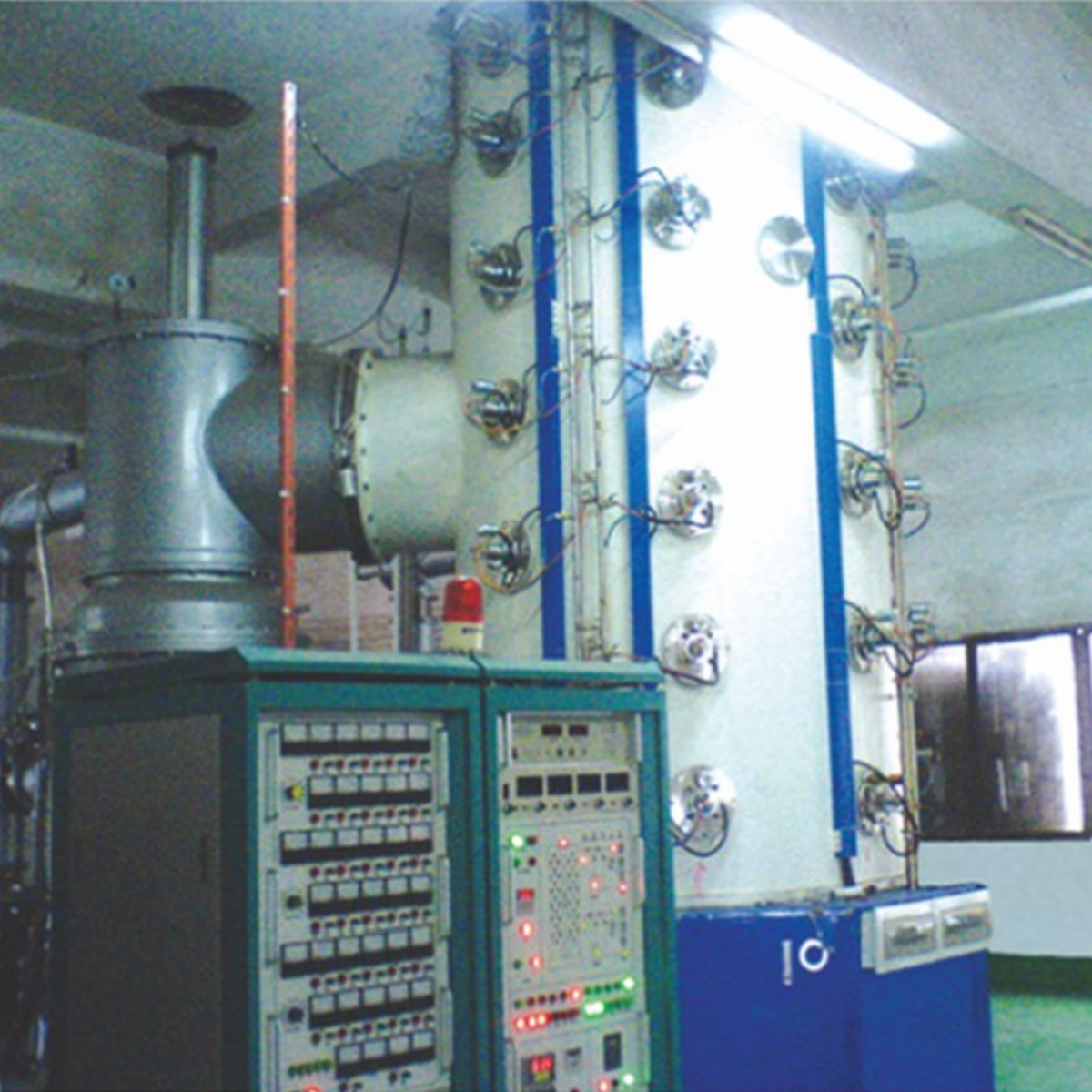
Enhancing Durability: The Science Behind Multi-Arc Ion Coating Technology
Table of Contents
- Introduction to Multi-Arc Ion Coating Technology
- What is Multi-Arc Ion Coating?
- How Does Multi-Arc Ion Coating Work?
- Applications of Multi-Arc Ion Coating Technology
- Benefits of Multi-Arc Ion Coating for Manufacturing
- Comparative Analysis: Multi-Arc Ion Coating vs. Traditional Coating
- The Future of Multi-Arc Ion Coating Technology
- Frequently Asked Questions
- Conclusion
Introduction to Multi-Arc Ion Coating Technology
In the realm of manufacturing, the quest for enhanced durability and surface quality is ever-present. Multi-Arc Ion Coating Technology stands at the forefront of this innovation, providing manufacturers with robust solutions for post-processing machinery, especially in lamination systems. As we delve into the intricacies of this technology, we will explore its mechanisms, advantages, and wide-ranging applications that make it a game-changer in the industry.
What is Multi-Arc Ion Coating?
Multi-Arc Ion Coating refers to a physical vapor deposition (PVD) technique that utilizes electric arcs to vaporize metal targets, which then condense onto substrates to form thin, durable films. This method yields superior coatings that enhance wear resistance, corrosion resistance, and aesthetic appeal. The process involves multiple electric arcs that ignite simultaneously, creating a high-density plasma that facilitates a more uniform coating.
The Composition of Multi-Arc Ion Coatings
The coatings produced through this method can consist of various materials, including titanium, zirconium, and chromium. Each material offers unique properties suitable for different applications, contributing to the adaptability of this technology in various manufacturing contexts.
How Does Multi-Arc Ion Coating Work?
The Multi-Arc Ion Coating process comprises several critical steps that ensure the effective deposition of coating material onto the substrate:
Step 1: Target and Plasma Generation
Electric arcs are generated between the cathode (the target material) and the anode. This process vaporizes the target material into a plasma state, creating a cloud of ions.
Step 2: Ion Acceleration
The ions generated in the plasma are accelerated towards the substrate using an electric field. This acceleration is crucial for achieving the desired coating density and adhesion.
Step 3: Coating Deposition
As the ions strike the substrate, they lose energy and condense, forming a thin film. The resultant layer is typically dense and uniform, optimizing its durability and performance characteristics.
Applications of Multi-Arc Ion Coating Technology
Multi-Arc Ion Coating technology is versatile and finds applications across various sectors, including:
1. Aerospace Industry
In the aerospace sector, components are often subjected to extreme conditions. Multi-Arc Ion Coating enhances the durability of engine parts, reducing wear and extending service life.
2. Automotive Components
Automotive manufacturers utilize this technology to improve the lifespan of critical components like brake discs, gears, and cutting tools, ensuring optimal performance and safety.
3. Medical Instruments
In the medical field, Multi-Arc Ion Coating provides a sterile, durable surface for surgical instruments, enhancing their longevity and effectiveness.
4. Electronics
The electronics industry benefits from enhanced surface properties, ensuring resistance to corrosion and wear in devices that require high reliability.
Benefits of Multi-Arc Ion Coating for Manufacturing
The adoption of Multi-Arc Ion Coating yields numerous benefits that make it an attractive option for manufacturers:
1. Enhanced Durability
The primary advantage of this technology is its ability to produce exceptionally durable coatings that withstand wear and damage, significantly extending the life of components.
2. Improved Aesthetic Qualities
The coatings can be tailored for various aesthetic appeals, making them suitable for decorative applications in addition to functional uses.
3. Environmentally Friendly Process
Multi-Arc Ion Coating is a more environmentally friendly option compared to traditional coating methods, as it often requires fewer toxic substances and generates less waste.
4. High Adhesion Levels
The ion acceleration process enhances the adhesion of the coating to the substrate, ensuring a strong bond that resists peeling and chipping.
5. Cost-Effectiveness
Although the initial investment in Multi-Arc Ion Coating technology may be higher, the long-term savings achieved through reduced maintenance and replacement costs make it a cost-effective solution.
Comparative Analysis: Multi-Arc Ion Coating vs. Traditional Coating
Understanding the differences between Multi-Arc Ion Coating and traditional coating methods is essential for manufacturers considering this technology.
1. Process Efficiency
Multi-Arc Ion Coating operates at lower temperatures compared to traditional methods, which often require lengthy curing times. This translates to improved process efficiency and reduced energy consumption.
2. Thickness Control
With Multi-Arc Ion Coating, manufacturers have more precise control over coating thickness, allowing for customization depending on the application requirements.
3. Surface Finish Quality
The finished surface from Multi-Arc Ion Coating exhibits superior smoothness and uniformity compared to traditional coatings, which can often be uneven or bubbly.
4. Wear Resistance
Coatings produced by Multi-Arc technology are known for their exceptional hardness, providing greater resistance to wear compared to conventional coatings that may degrade more quickly under stress.
The Future of Multi-Arc Ion Coating Technology
The future of Multi-Arc Ion Coating holds exciting potential as advancements in technology continue to evolve. Research is ongoing to explore new materials and methods that can further enhance the capabilities of this coating technology. As industries demand higher durability and performance from their components, Multi-Arc Ion Coating is well-positioned to meet these needs.
Frequently Asked Questions
1. What is the lifespan of Multi-Arc Ion Coated components?
The lifespan can vary based on the application and environmental conditions, but components often see significant increases in durability, sometimes lasting several times longer than uncoated counterparts.
2. Is Multi-Arc Ion Coating suitable for all materials?
While effective on a wide range of materials, the compatibility of Multi-Arc Ion Coating with specific substrates should be evaluated on a case-by-case basis.
3. How does Multi-Arc Ion Coating compare to other PVD methods?
Multi-Arc Ion Coating offers advantages in terms of adhesion, coating density, and process efficiency when compared to other PVD methods, like sputtering.
4. Can Multi-Arc Ion Coating improve corrosion resistance?
Yes, the coatings produced using this technology can significantly enhance corrosion resistance, making them ideal for use in harsh environments.
5. What industries benefit the most from Multi-Arc Ion Coating?
Key industries include aerospace, automotive, medical devices, and electronics, all of which require high-performance, durable components.
Conclusion
Multi-Arc Ion Coating Technology represents a significant advancement in the field of manufacturing, particularly for post-processing machinery like lamination systems. Its ability to enhance durability through robust, high-quality coatings positions it as a pivotal solution for industries seeking reliable and long-lasting components. As manufacturers continually strive for improvements in performance and sustainability, the continued evolution of Multi-Arc Ion Coating technology promises to deliver unparalleled benefits that will shape the future of manufacturing.
multi-arc ion coating machine
News
2026-09-28

PROVIDE YOU WITH THE BEST COST PLAN
Contact Us
Wechat: +86-198 7884 1913
Add: B-11, Jiushan Area, Jindu Industrial Park, Jindu, Gaoyao District, Zhaoqing City, Guangdong, China
Connnect with us!


Website