Optimizing Aluminum Mirror Coating Production Lines for Enhanced Efficiency
Time:
2026-05-11 09:40
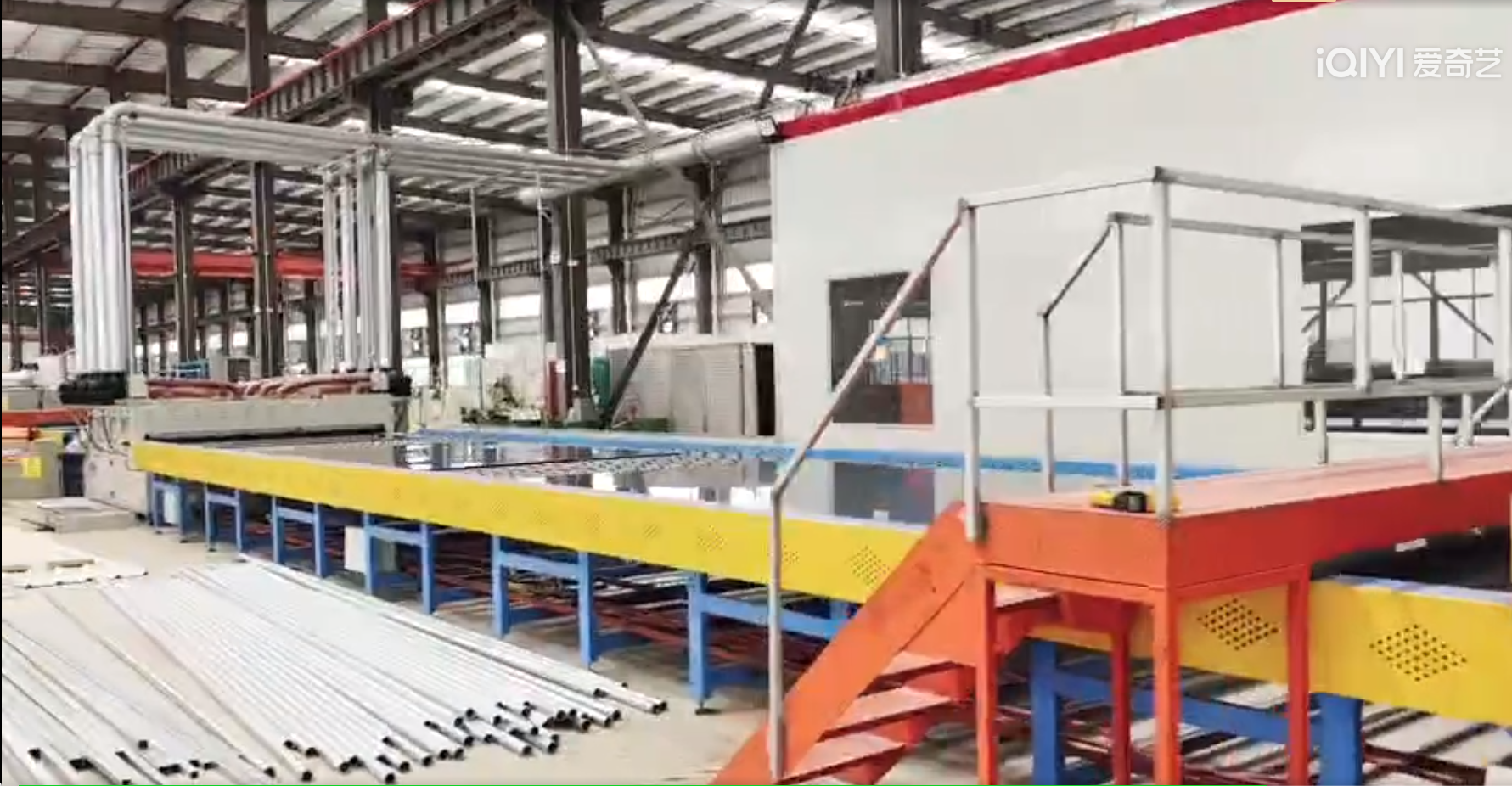
The aluminum mirror coating production line plays a crucial role in the manufacturing of high-quality reflective surfaces used in various applications, from automotive to lighting and decorative items. Understanding the components and processes involved in such a production line can significantly enhance efficiency and product quality.
At the core of an aluminum mirror coating production line is the vacuum coating system. This technology employs physical vapor deposition (PVD) or chemical vapor deposition (CVD) techniques to deposit a thin layer of aluminum onto the substrate—usually glass or plastic. The choice of system will depend on the specific requirements of the end product, including thickness, uniformity, and adhesion properties.
One of the vital considerations in the design of this production line is the pre-treatment of substrates. Effective cleaning and surface treatment are imperative to ensure optimal adhesion of the aluminum layer. Techniques such as plasma cleaning and chemical etching can significantly improve the bond between the substrate and the aluminum coating, thereby enhancing durability and performance.
Moreover, the coating process itself requires careful control of parameters such as temperature, pressure, and deposition rate. Monitoring these variables ensures consistent product quality and reduces material waste. Automation in this production line can also streamline operations, allowing for continuous monitoring and adjustments in real-time. This not only improves efficiency but also minimizes the risk of human error.
Post-coating processes, including curing and quality inspection, are equally important. Curing allows the aluminum layer to harden and adhere effectively to the substrate, while rigorous quality checks—such as optical inspection and adhesion tests—are essential to guarantee that the final product meets industry standards. Implementing automated quality control systems can further enhance efficiency by reducing inspection times and ensuring compliance with specifications.
Furthermore, considering the environmental impact of manufacturing is increasingly important. Incorporating eco-friendly practices, such as waste recycling and utilizing less hazardous materials, can lead to a more sustainable production line. This not only aligns with regulatory requirements but also appeals to a growing base of environmentally conscious consumers.
In summary, optimizing an aluminum mirror coating production line involves integrating advanced technologies, ensuring proper substrate preparation, maintaining strict process controls, and implementing thorough quality assurance measures. By focusing on these areas, manufacturers can enhance efficiency, reduce costs, and produce high-quality aluminum mirrors that meet the ever-evolving demands of the market.
At the core of an aluminum mirror coating production line is the vacuum coating system. This technology employs physical vapor deposition (PVD) or chemical vapor deposition (CVD) techniques to deposit a thin layer of aluminum onto the substrate—usually glass or plastic. The choice of system will depend on the specific requirements of the end product, including thickness, uniformity, and adhesion properties.
One of the vital considerations in the design of this production line is the pre-treatment of substrates. Effective cleaning and surface treatment are imperative to ensure optimal adhesion of the aluminum layer. Techniques such as plasma cleaning and chemical etching can significantly improve the bond between the substrate and the aluminum coating, thereby enhancing durability and performance.
Moreover, the coating process itself requires careful control of parameters such as temperature, pressure, and deposition rate. Monitoring these variables ensures consistent product quality and reduces material waste. Automation in this production line can also streamline operations, allowing for continuous monitoring and adjustments in real-time. This not only improves efficiency but also minimizes the risk of human error.
Post-coating processes, including curing and quality inspection, are equally important. Curing allows the aluminum layer to harden and adhere effectively to the substrate, while rigorous quality checks—such as optical inspection and adhesion tests—are essential to guarantee that the final product meets industry standards. Implementing automated quality control systems can further enhance efficiency by reducing inspection times and ensuring compliance with specifications.
Furthermore, considering the environmental impact of manufacturing is increasingly important. Incorporating eco-friendly practices, such as waste recycling and utilizing less hazardous materials, can lead to a more sustainable production line. This not only aligns with regulatory requirements but also appeals to a growing base of environmentally conscious consumers.
In summary, optimizing an aluminum mirror coating production line involves integrating advanced technologies, ensuring proper substrate preparation, maintaining strict process controls, and implementing thorough quality assurance measures. By focusing on these areas, manufacturers can enhance efficiency, reduce costs, and produce high-quality aluminum mirrors that meet the ever-evolving demands of the market.
aluminum mirror coating production line
News
2026-04-06

PROVIDE YOU WITH THE BEST COST PLAN
Contact Us
Wechat: +86-198 7884 1913
Add: B-11, Jiushan Area, Jindu Industrial Park, Jindu, Gaoyao District, Zhaoqing City, Guangdong, China
Connnect with us!


Website