Unlocking the Benefits of Advanced Glass Coating Technology for Construction and Architectural Projects
Time:
2024-12-01 11:00
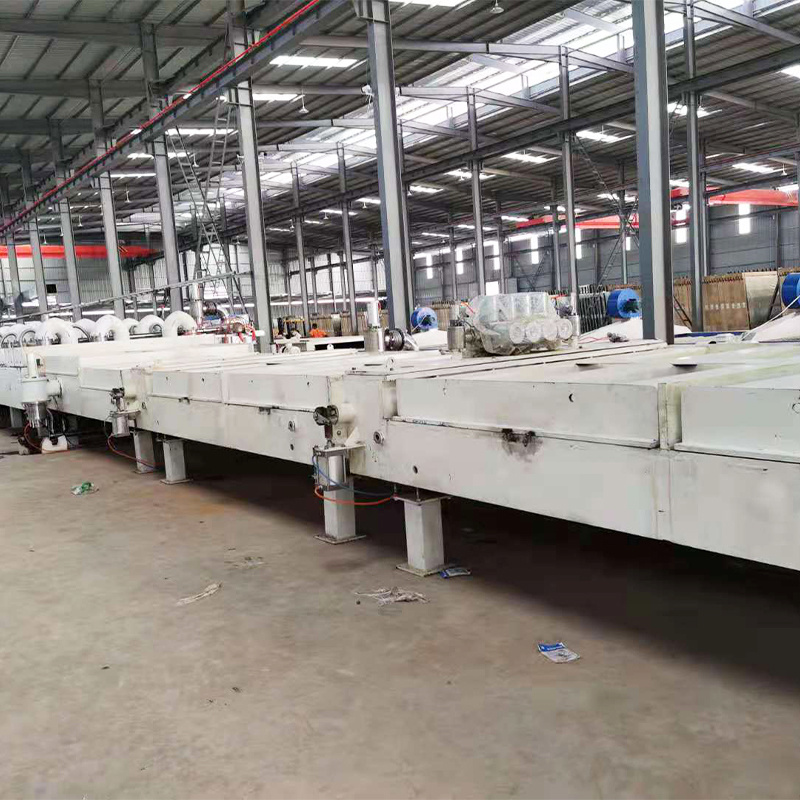
Unlocking the Benefits of Advanced Glass Coating Technology for Construction and Architectural Projects
Table of Contents
- 1. Introduction to Advanced Glass Coating Technology
- 2. What is Glass Coating?
- 3. Major Benefits of Advanced Glass Coating
- 4. Applications of Advanced Glass Coating in Construction
- 5. Enhancing Energy Efficiency with Glass Coating
- 6. Sustainability Impacts of Glass Coatings
- 7. Choosing the Right Glass Coating Technology
- 8. Future Trends in Glass Coating Technology
- 9. Frequently Asked Questions
- 10. Conclusion
1. Introduction to Advanced Glass Coating Technology
In the ever-evolving world of construction and architectural design, advanced glass coating technology is making waves. This innovative application not only enhances the aesthetic appeal of buildings but also provides significant functional advantages. By integrating advanced glass coatings, architects and builders can achieve higher performance levels in terms of durability, energy efficiency, and maintenance.
2. What is Glass Coating?
Glass coating refers to the application of a specialized layer or layers on the surface of glass to enhance its performance. This technology includes various formulations, such as hydrophobic coatings, anti-reflective coatings, and UV protective layers. The primary goal of these coatings is to improve the glass's characteristics, making it more resilient and functional for architectural use.
Types of Glass Coatings
There are several types of glass coatings available, each designed to address specific needs:
Hydrophobic Coatings
These coatings repel water and prevent dirt and grime buildup, ensuring that the glass remains clean and clear.
Anti-Reflective Coatings
By minimizing glare, these coatings enhance visibility and comfort, particularly in areas with high sunlight exposure.
UV Protective Coatings
These coatings protect interiors from harmful UV rays, reducing fading and damage to furnishings and artwork.
3. Major Benefits of Advanced Glass Coating
The implementation of advanced glass coatings presents numerous benefits for construction projects:
Enhanced Durability
Advanced glass coatings significantly enhance the durability of glass surfaces. They are designed to withstand harsh weather conditions, resist scratches, and prevent corrosion, ultimately increasing the lifespan of the glass.
Improved Aesthetics
Coatings can improve the clarity and brilliance of glass, enhancing the overall aesthetics of a building. This is particularly important for commercial properties that rely on visual appeal to attract clients.
Maintenance Reduction
With hydrophobic and self-cleaning properties, coated glass requires less frequent cleaning and maintenance, leading to long-term cost savings for property owners.
Energy Efficiency
Certain coatings can improve the insulation properties of glass, reducing reliance on heating and cooling systems. This translates to lower energy bills and a smaller carbon footprint.
4. Applications of Advanced Glass Coating in Construction
Advanced glass coatings find applications across various sectors within the construction and architectural industries:
Residential Buildings
Homeowners can benefit from aesthetic enhancements and energy savings through the use of advanced glass coatings in windows and facades.
Commercial Buildings
High-rise commercial buildings utilize glass coatings to achieve sleek designs while ensuring energy efficiency and occupant comfort.
Skylights and Facades
Skylights benefit from coatings that reduce heat gain, while facades can utilize coatings that maintain clear visibility while providing protection against UV rays.
5. Enhancing Energy Efficiency with Glass Coating
Energy efficiency is a critical consideration in modern building design. Advanced glass coatings can play a pivotal role in reducing energy consumption.
How Glass Coatings Improve Insulation
Low-emissivity (Low-E) glass coatings reduce the amount of infrared and ultraviolet light that can pass through glass without compromising visible light. This property helps keep interiors warmer in winter and cooler in summer, thus optimizing energy use.
Regulatory Compliance
Many regions have implemented strict energy efficiency regulations. Utilizing advanced glass coatings can assist buildings in meeting these standards, thereby avoiding penalties and enhancing marketability.
6. Sustainability Impacts of Glass Coatings
The push towards sustainability in construction is stronger than ever, and advanced glass coatings contribute significantly to this movement.
Reducing Environmental Impact
By improving energy efficiency, these coatings help lower greenhouse gas emissions associated with heating and cooling. Additionally, the longer lifespan of treated glass reduces the frequency of replacement, minimizing waste.
Contribution to LEED Certification
Buildings that incorporate advanced glass coatings can earn points towards LEED certification, a globally recognized rating system for sustainable building practices. This enhances marketability and appeal to environmentally conscious buyers.
7. Choosing the Right Glass Coating Technology
Selecting the appropriate glass coating technology involves several considerations:
Assessing Specific Needs
Identifying the primary goals—be it aesthetic improvement, energy efficiency, or maintenance reduction—will guide the selection process.
Consulting with Professionals
Engaging with experts in glass coatings can provide valuable insights and recommendations tailored to specific projects.
Cost vs. Benefit Analysis
While advanced coatings may require a higher initial investment, the long-term benefits—such as energy savings and reduced maintenance—can outweigh the costs.
8. Future Trends in Glass Coating Technology
The future of glass coating technology looks promising, with several trends on the horizon:
Smart Glass Coatings
Innovations in smart glass technology, such as coatings that change properties based on environmental conditions, are set to revolutionize the market.
Nanotechnology in Coatings
Advancements in nanotechnology are leading to more effective and durable coatings, providing superior performance in various conditions.
Increased Focus on Sustainability
As awareness of environmental issues grows, the demand for sustainable glass coating solutions will continue to rise, prompting manufacturers to innovate further.
9. Frequently Asked Questions
What is the lifespan of advanced glass coatings?
Most advanced glass coatings can last between 5 to 15 years, depending on the type of coating and environmental conditions.
Are advanced glass coatings environmentally friendly?
Yes, many advanced glass coatings are designed to be environmentally friendly, improving energy efficiency and reducing overall carbon footprints.
Can glass coatings be applied to existing windows?
Yes, most glass coatings can be applied to existing glass surfaces, providing a cost-effective way to enhance performance without replacing windows.
How do advanced glass coatings affect visibility?
Most coatings are designed to maintain or enhance visibility while reducing glare and UV exposure.
What maintenance is required for coated glass?
While coated glass is easier to maintain, periodic cleaning with appropriate products is recommended to preserve its properties.
10. Conclusion
In summary, advanced glass coating technology represents a significant advancement in the construction and architectural industries. By offering numerous benefits, including enhanced durability, improved aesthetics, energy efficiency, and sustainability, these coatings are proving indispensable for modern building projects. As technology continues to evolve, so too will the applications and benefits of glass coatings, paving the way for a more efficient and sustainable future in construction. Embracing these innovations not only elevates building designs but also contributes to a greener planet.
glass coating machine
News
2026-09-28

PROVIDE YOU WITH THE BEST COST PLAN
Contact Us
Wechat: +86-198 7884 1913
Add: B-11, Jiushan Area, Jindu Industrial Park, Jindu, Gaoyao District, Zhaoqing City, Guangdong, China
Connnect with us!


Website