Understanding Glass Coating Machines: Innovations in Architectural and Decorative Steel Finishes
Time:
2024-11-28 12:00
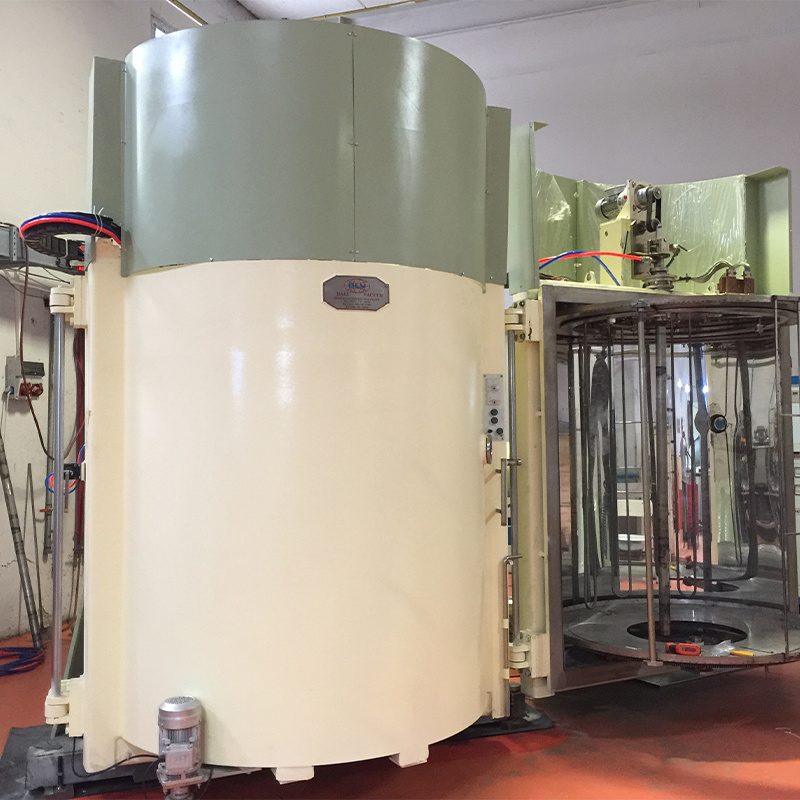
In the building and decorative materials industry, particularly in the realm of steel products, glass coating machines have emerged as a pivotal innovation. These machines are designed to apply a glass-like coating to various surfaces, offering both aesthetic appeal and functional benefits. Understanding the capabilities and applications of glass coating machines can significantly enhance the quality and longevity of steel materials used in architectural designs.
Glass coating machines work by applying a fine layer of glass-based material onto a substrate, often made of steel. This process can occur through various techniques, including spray, dip, or roll coating. The resulting finish provides an attractive, glossy appearance while also enhancing the material's resistance to environmental factors, such as corrosion, UV radiation, and chemical exposure. This makes glass-coated steel an excellent choice for both indoor and outdoor applications.
One of the primary benefits of using glass coating machines in the steel industry is the significant improvement in durability. The glass coating forms a protective barrier that safeguards the underlying metal from physical wear and tear, as well as from atmospheric conditions. This durability translates into reduced maintenance costs and extended service life for architectural elements and decorative features, making them more sustainable options for modern constructions.
Moreover, the aesthetic appeal of glass-coated surfaces cannot be understated. These machines allow for a variety of colors and finishes, enabling architects and designers to achieve their desired visual effects. Whether opting for a sleek, modern look or a more traditional appearance, glass coating machines can contribute to the overall design vision, enhancing the building’s character and style.
In addition to aesthetic and durability benefits, glass coating technology is also environmentally friendly. Many modern glass coatings are designed to be free of harmful chemicals, making them a safer option for both applicators and end-users. This aligns with the growing industry trend towards sustainability and eco-friendliness, which is becoming increasingly important in construction and architectural design.
Furthermore, the versatility of glass coating machines allows them to be utilized in various settings, from large-scale industrial applications to smaller architectural projects. Their adaptability makes them a valuable asset for manufacturers and contractors looking to innovate and improve their product offerings.
In conclusion, glass coating machines represent a significant advancement in the steel industry, particularly within the context of architectural and decorative materials. By providing enhanced durability, aesthetic flexibility, and environmental safety, these machines are crucial for anyone involved in the design, manufacturing, or application of steel products. Understanding their function and benefits can empower industry professionals to make informed decisions that enhance both the quality and visual appeal of their projects.
Glass coating machines work by applying a fine layer of glass-based material onto a substrate, often made of steel. This process can occur through various techniques, including spray, dip, or roll coating. The resulting finish provides an attractive, glossy appearance while also enhancing the material's resistance to environmental factors, such as corrosion, UV radiation, and chemical exposure. This makes glass-coated steel an excellent choice for both indoor and outdoor applications.
One of the primary benefits of using glass coating machines in the steel industry is the significant improvement in durability. The glass coating forms a protective barrier that safeguards the underlying metal from physical wear and tear, as well as from atmospheric conditions. This durability translates into reduced maintenance costs and extended service life for architectural elements and decorative features, making them more sustainable options for modern constructions.
Moreover, the aesthetic appeal of glass-coated surfaces cannot be understated. These machines allow for a variety of colors and finishes, enabling architects and designers to achieve their desired visual effects. Whether opting for a sleek, modern look or a more traditional appearance, glass coating machines can contribute to the overall design vision, enhancing the building’s character and style.
In addition to aesthetic and durability benefits, glass coating technology is also environmentally friendly. Many modern glass coatings are designed to be free of harmful chemicals, making them a safer option for both applicators and end-users. This aligns with the growing industry trend towards sustainability and eco-friendliness, which is becoming increasingly important in construction and architectural design.
Furthermore, the versatility of glass coating machines allows them to be utilized in various settings, from large-scale industrial applications to smaller architectural projects. Their adaptability makes them a valuable asset for manufacturers and contractors looking to innovate and improve their product offerings.
In conclusion, glass coating machines represent a significant advancement in the steel industry, particularly within the context of architectural and decorative materials. By providing enhanced durability, aesthetic flexibility, and environmental safety, these machines are crucial for anyone involved in the design, manufacturing, or application of steel products. Understanding their function and benefits can empower industry professionals to make informed decisions that enhance both the quality and visual appeal of their projects.
glass coating machine
News
2026-09-28

PROVIDE YOU WITH THE BEST COST PLAN
Contact Us
Wechat: +86-198 7884 1913
Add: B-11, Jiushan Area, Jindu Industrial Park, Jindu, Gaoyao District, Zhaoqing City, Guangdong, China
Connnect with us!


Website