Maximizing Efficiency and Quality in Glass Coating Lines
Time:
2024-10-29 11:01
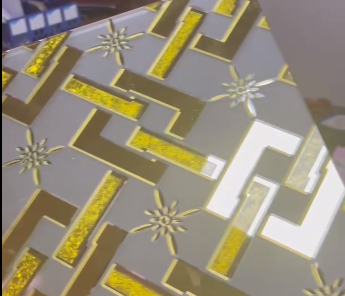
In the realm of industrial equipment, particularly in the coating segment, the glass coating line has emerged as a pivotal innovation. This advanced production system transforms the way manufacturers apply coatings to glass surfaces, leading to significant improvements in both efficiency and quality. Understanding the fundamental elements of a glass coating line can empower professionals to optimize their operations and meet market demands.
A glass coating line typically comprises several critical stages, including surface preparation, coating application, curing, and quality inspection. Each stage is vital to ensure that the glass products meet the required specifications and performance standards. The initial surface preparation step is crucial, as it removes contaminants and enhances adhesion for the coating, which can be achieved through techniques such as chemical cleaning or abrasive blasting.
Once the glass surfaces are adequately prepared, the coating application process begins. This can be accomplished using various methods, including spray coating, roll coating, or dip coating, depending on the desired finish and production scale. Automated glass coating lines often utilize advanced robotics and precision dispensing technology to ensure uniform application and reduce material waste. This automation not only boosts productivity but also minimizes human error, leading to more consistent results.
After the application of the coating, the curing stage is essential for ensuring the durability and effectiveness of the finish. This process can involve heat curing, UV curing, or chemical curing, depending on the type of coating used. Proper curing is essential to achieve the desired mechanical properties, such as scratch resistance and chemical durability, which are critical for glass products used in various industries, including automotive, architecture, and consumer goods.
Lastly, the quality inspection phase cannot be overlooked. Implementing sophisticated inspection technologies, such as vision systems or automated scanning equipment, allows manufacturers to identify defects early and ensure that only products meeting strict quality criteria proceed to the market. Leveraging data analytics during this stage can further enhance quality control processes by providing insights into trends and areas for improvement.
In conclusion, adopting a glass coating line is not merely about acquiring new equipment; it is about transforming the production process to achieve higher efficiency and superior quality. By focusing on the integration of advanced technology and stringent quality control measures, professionals in the industrial equipment sector can position themselves to meet the increasing demands of the market and deliver outstanding glass products.
glass coating line
News

PROVIDE YOU WITH THE BEST COST PLAN
Contact Us
Wechat: +86-198 7884 1913
Add: B-11, Jiushan Area, Jindu Industrial Park, Jindu, Gaoyao District, Zhaoqing City, Guangdong, China
Connnect with us!


Website