Getting Started with Glass Coating Lines: A Comprehensive Beginner's Guide
Time:
2024-10-26 11:20
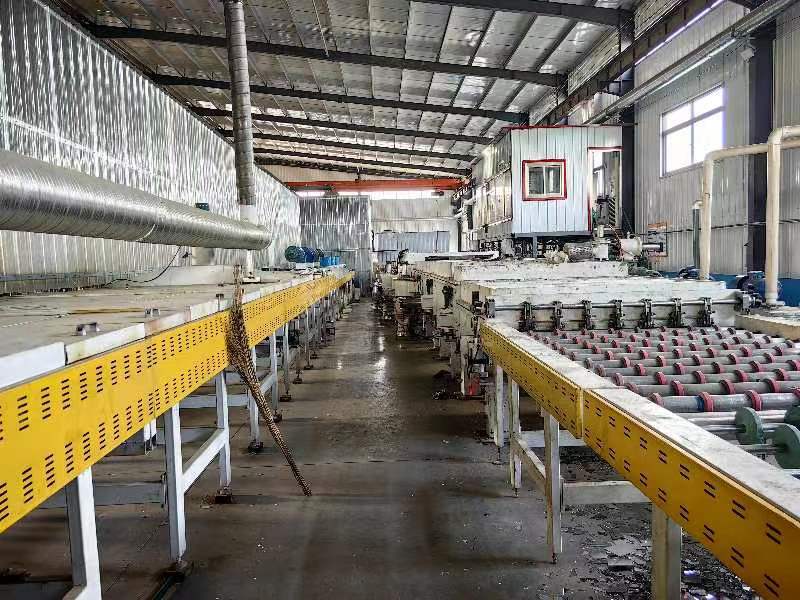
Getting Started with Glass Coating Lines: A Comprehensive Beginner's Guide
Table of Contents
- Introduction to Glass Coating Lines
- Understanding Glass Coating Technology
- Benefits of Glass Coating in Industrial Applications
- Key Components of a Glass Coating Line
- Types of Coatings Used in Glass Coating Lines
- Operational Processes in Glass Coating Lines
- Safety Considerations in Glass Coating Operations
- Future Trends in Glass Coating Technology
- Frequently Asked Questions (FAQs)
- Conclusion
Introduction to Glass Coating Lines
Glass coating lines represent a critical advancement in various industrial applications, especially in sectors such as automotive, construction, and electronics. These lines enhance the durability, aesthetics, and functionality of glass products, making them indispensable for manufacturers aiming to improve product quality and performance. This guide serves as an introduction for beginners looking to navigate the complexities of glass coating lines.
Understanding Glass Coating Technology
Glass coating technology involves the application of thin films or coatings onto glass surfaces, which can significantly enhance their properties. There are several coating methods, including vacuum deposition, spray coating, and screen printing. Each method has its unique advantages and is selected based on the desired properties of the final product.
How Glass Coatings Work
The coatings are often made from organic or inorganic materials that bond to the glass surface, providing a range of benefits such as UV protection, thermal insulation, and anti-reflective properties. Understanding the science behind these coatings is crucial for manufacturers to select the right processes and materials for their needs.
Benefits of Glass Coating in Industrial Applications
The use of glass coating lines offers numerous advantages that can lead to enhanced product performance and longevity. Here are some key benefits:
1. Enhanced Durability
Coatings can significantly improve the mechanical strength of glass, making it more resistant to scratches, impact, and environmental factors. This durability is essential for applications in high-traffic areas or harsh environments.
2. Improved Aesthetics
Glass coatings can provide a polished, high-gloss finish that enhances the visual appeal of glass products. This is particularly important in consumer-facing industries such as architecture and automotive design.
3. Energy Efficiency
Certain coatings can reflect heat and UV rays, leading to improved energy efficiency in buildings and vehicles. This not only adds value to the product but also contributes to sustainability efforts.
4. Increased Functionality
Coatings can impart additional functionalities such as anti-fogging, anti-graffiti, and self-cleaning properties, expanding the potential applications of glass products.
Key Components of a Glass Coating Line
A complete glass coating line consists of several essential components that work together to ensure efficient production. Understanding these components is vital for anyone entering the industry.
1. Pre-treatment Equipment
Before coating, glass surfaces require thorough cleaning and preparation to ensure proper adhesion. This equipment includes washers, dryers, and surface treatment systems.
2. Coating Application Systems
The application system is where the actual coating takes place. This can involve various technologies, including spray booths, dip tanks, or vacuum deposition systems. Each method has specific operational characteristics and advantages.
3. Curing Systems
After application, coatings often need to be cured to achieve their final properties. Curing systems may involve drying ovens, UV curing units, or infrared curing systems, depending on the type of coating used.
4. Quality Control Stations
Quality control is crucial in ensuring that coated glass meets industry standards. This includes inspection stations for measuring coating thickness, adhesion tests, and visual inspections.
Types of Coatings Used in Glass Coating Lines
Different types of coatings are available for various applications, each offering unique properties and benefits. Understanding these types can help manufacturers make informed decisions about their production processes.
1. Anti-reflective Coatings
These coatings reduce glare and improve the visibility of glass surfaces, making them ideal for applications in electronics and solar panels.
2. Low-emissivity Coatings
Low-E coatings enhance thermal insulation by reflecting infrared light, making them suitable for energy-efficient windows in buildings.
3. Hydrophobic Coatings
These coatings create a water-repellent surface, preventing water spots and making surfaces easier to clean. They are widely used in automotive and architectural applications.
Operational Processes in Glass Coating Lines
Understanding the operational processes involved in glass coating lines is essential for ensuring efficient production. The following steps outline a typical coating process:
1. Surface Preparation
The process begins with thorough cleaning and drying of glass surfaces to remove contaminants that may affect coating adhesion.
2. Coating Application
Once prepared, the glass is subjected to the chosen coating application method, ensuring an even and consistent layer of coating.
3. Curing and Hardening
After application, the coated glass is cured using the appropriate system to harden the coating and enhance its properties.
4. Quality Control and Inspection
Finally, the coated glass undergoes rigorous quality control checks to ensure it meets specified standards and is ready for shipment.
Safety Considerations in Glass Coating Operations
As with any industrial process, safety is paramount in glass coating operations. Here are some essential safety considerations:
1. Personal Protective Equipment (PPE)
Workers should always wear appropriate PPE, including gloves, goggles, and respirators, to protect against chemical exposure and physical hazards.
2. Ventilation Systems
Proper ventilation is crucial to minimize the risk of inhaling harmful fumes and dust during the coating process.
3. Equipment Maintenance
Regular maintenance of all equipment is necessary to prevent malfunctions that can lead to accidents or production delays.
Future Trends in Glass Coating Technology
The glass coating industry continues to evolve, with several emerging trends that promise to shape its future:
1. Smart Coatings
Innovations in smart coatings that can change properties based on environmental conditions are becoming increasingly popular, enhancing functionality and performance.
2. Sustainable Materials
The demand for eco-friendly coatings is rising, with manufacturers seeking sustainable alternatives that reduce environmental impact.
3. Automation and Industry 4.0
Automation and smart technology integration into coating lines are improving efficiency, reducing labor costs, and enhancing overall productivity.
Frequently Asked Questions (FAQs)
1. What are glass coating lines used for?
Glass coating lines are used to apply protective and functional coatings to glass surfaces, enhancing their durability, aesthetics, and performance in various applications.
2. What types of coatings can be applied to glass?
Common types include anti-reflective, low-emissivity, and hydrophobic coatings, each serving different purposes such as energy efficiency and ease of maintenance.
3. How does the coating process work?
The process typically involves surface preparation, coating application, curing, and quality control to ensure that the final product meets required standards.
4. What safety measures should be taken during glass coating operations?
Essential safety measures include wearing PPE, ensuring proper ventilation, and maintaining equipment to prevent accidents and exposure to harmful substances.
5. What is the future of glass coating technology?
Future trends include the development of smart coatings, the use of sustainable materials, and increased automation to enhance efficiency and reduce environmental impact.
Conclusion
In conclusion, understanding glass coating lines is a vital step for anyone entering the industry. From the operational processes and safety considerations to the types of coatings and their benefits, this comprehensive guide equips beginners with essential knowledge to navigate this complex field. As technology advances, staying updated on trends and innovations will be crucial for maximizing the potential of glass coating applications in various sectors.
glass coating line
News
2026-09-28

PROVIDE YOU WITH THE BEST COST PLAN
Contact Us
Wechat: +86-198 7884 1913
Add: B-11, Jiushan Area, Jindu Industrial Park, Jindu, Gaoyao District, Zhaoqing City, Guangdong, China
Connnect with us!


Website