Understanding Vacuum Coating Machines: A Key Component in Post-Processing Equipment
Time:
2026-08-17 15:30
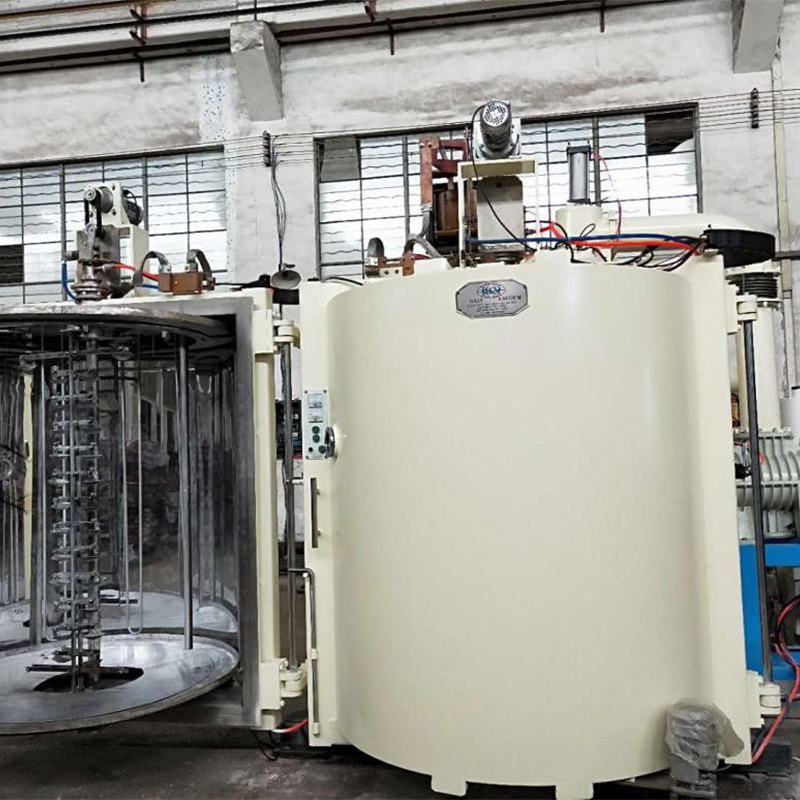
Vacuum coating machines are essential tools in the manufacturing industry, particularly for processes that involve applying thin films or coatings to various substrates. These machines operate under a vacuum environment, which minimizes contamination and allows for precise control over the coating process. In the context of post-processing equipment, vacuum coating plays a crucial role in enhancing the performance and aesthetics of laminated products.
The primary function of a vacuum coating machine is to deposit materials onto a substrate, such as plastic, glass, or metal, by utilizing techniques like physical vapor deposition (PVD) or chemical vapor deposition (CVD). PVD, for instance, involves the transition of material from the solid or liquid phase to the vapor phase, followed by the condensation of the vapor onto the substrate. This method is widely used for various applications, including decorative coatings, corrosion resistance, and optical enhancements.
One of the most significant advantages of using vacuum coating machines is their ability to produce high-quality coatings with excellent adhesion, uniform thickness, and minimal impurities. This is particularly important in industries where product performance is critical, such as electronics, automotive, and packaging. By applying a thin layer of material, manufacturers can improve surface properties, including wear resistance, reflectivity, and chemical stability, which ultimately leads to increased product longevity.
In addition to functionality, vacuum coating machines also contribute to the aesthetic appeal of products. They can create a range of finishes, from glossy to matte, and can be used to apply decorative elements that enhance the visual characteristics of the final product. This versatility makes them an invaluable asset in industries that prioritize visual impact alongside performance.
Moreover, the automation and precision offered by modern vacuum coating machines streamline the production process, reducing waste and increasing efficiency. By minimizing the need for additional treatments or coatings, manufacturers can achieve cost-effectiveness while maintaining high standards of quality.
As the demand for innovative and high-performance products continues to rise, understanding the intricacies of vacuum coating technology is essential for any professional involved in manufacturing and post-processing. The implementation of vacuum coating machines not only elevates product quality but also aligns with the growing trend toward sustainable manufacturing practices, as the controlled environment reduces material wastage and energy consumption.
In summary, vacuum coating machines represent a critical element in post-processing equipment used in film laminating. Their ability to enhance both functional and aesthetic properties of products makes them indispensable in various industries, ensuring that manufacturers stay competitive in a rapidly evolving market.
The primary function of a vacuum coating machine is to deposit materials onto a substrate, such as plastic, glass, or metal, by utilizing techniques like physical vapor deposition (PVD) or chemical vapor deposition (CVD). PVD, for instance, involves the transition of material from the solid or liquid phase to the vapor phase, followed by the condensation of the vapor onto the substrate. This method is widely used for various applications, including decorative coatings, corrosion resistance, and optical enhancements.
One of the most significant advantages of using vacuum coating machines is their ability to produce high-quality coatings with excellent adhesion, uniform thickness, and minimal impurities. This is particularly important in industries where product performance is critical, such as electronics, automotive, and packaging. By applying a thin layer of material, manufacturers can improve surface properties, including wear resistance, reflectivity, and chemical stability, which ultimately leads to increased product longevity.
In addition to functionality, vacuum coating machines also contribute to the aesthetic appeal of products. They can create a range of finishes, from glossy to matte, and can be used to apply decorative elements that enhance the visual characteristics of the final product. This versatility makes them an invaluable asset in industries that prioritize visual impact alongside performance.
Moreover, the automation and precision offered by modern vacuum coating machines streamline the production process, reducing waste and increasing efficiency. By minimizing the need for additional treatments or coatings, manufacturers can achieve cost-effectiveness while maintaining high standards of quality.
As the demand for innovative and high-performance products continues to rise, understanding the intricacies of vacuum coating technology is essential for any professional involved in manufacturing and post-processing. The implementation of vacuum coating machines not only elevates product quality but also aligns with the growing trend toward sustainable manufacturing practices, as the controlled environment reduces material wastage and energy consumption.
In summary, vacuum coating machines represent a critical element in post-processing equipment used in film laminating. Their ability to enhance both functional and aesthetic properties of products makes them indispensable in various industries, ensuring that manufacturers stay competitive in a rapidly evolving market.
vacuum coating machine
News
2026-09-28

PROVIDE YOU WITH THE BEST COST PLAN
Contact Us
Wechat: +86-198 7884 1913
Add: B-11, Jiushan Area, Jindu Industrial Park, Jindu, Gaoyao District, Zhaoqing City, Guangdong, China
Connnect with us!


Website