The Critical Impact of Multi-Arc Ion Coating Machines on Modern Production Lines
Time:
2026-07-13 18:50
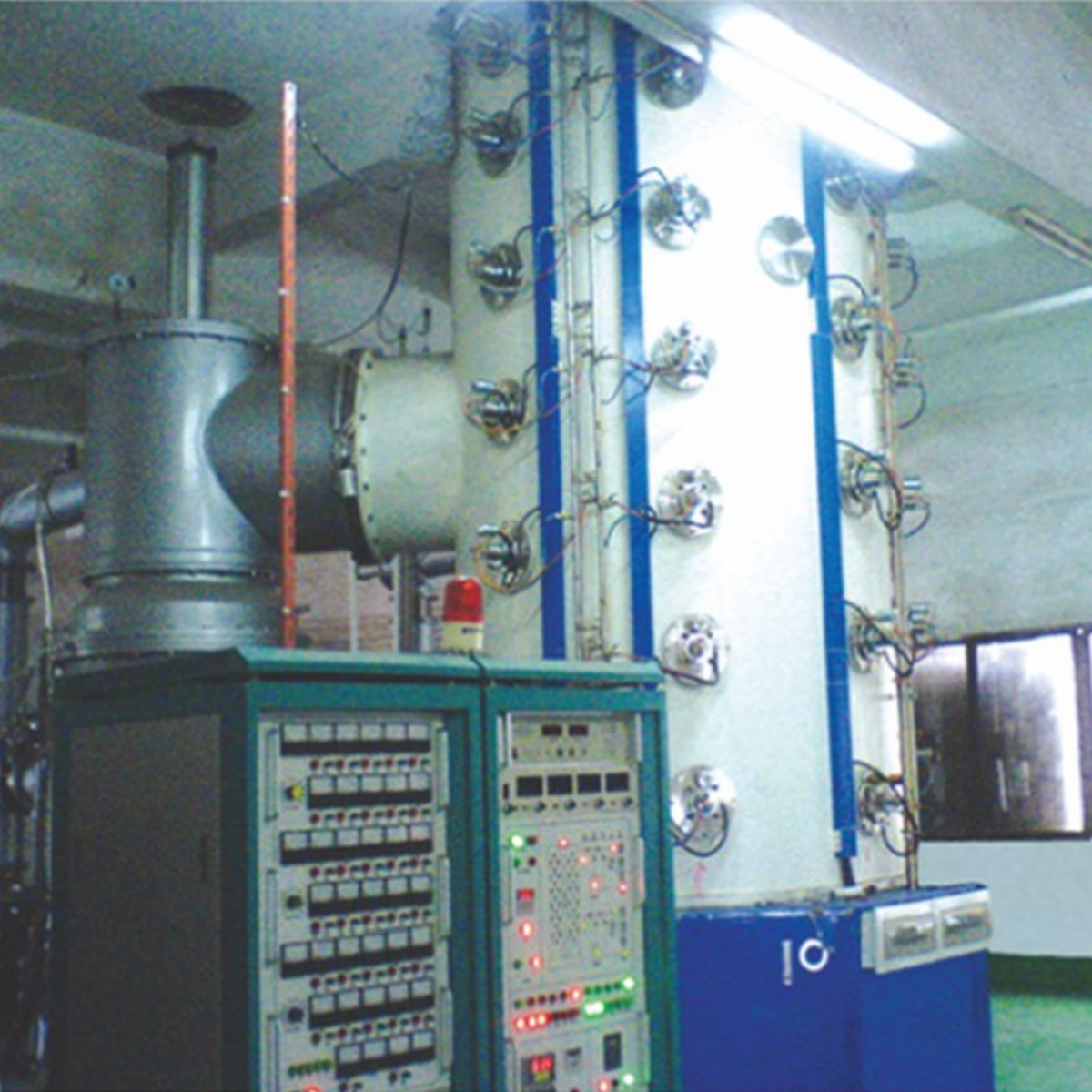
The Critical Impact of Multi-Arc Ion Coating Machines on Modern Production Lines
In the fast-evolving world of manufacturing, staying ahead of the competition requires not only cutting-edge technology but also a deep understanding of innovative processes. One of the most significant advancements in recent years is the introduction of **Multi-Arc Ion Coating Machines**. These machines are changing the landscape of production lines, providing unprecedented efficiency and quality. In this article, we will delve into the role of Multi-Arc Ion Coating Machines in modern production lines, exploring their applications, benefits, and future trends.
Table of Contents
- 1. Introduction to Multi-Arc Ion Coating Technology
- 2. How Multi-Arc Ion Coating Machines Work
- 3. Advantages of Multi-Arc Ion Coating in Manufacturing
- 4. Applications of Multi-Arc Ion Coating Machines
- 5. Current Trends in Multi-Arc Ion Coating Technology
- 6. Challenges and Limitations of Multi-Arc Ion Coating
- 7. Future Prospects of Multi-Arc Ion Coating
- 8. Conclusion
- 9. Frequently Asked Questions
1. Introduction to Multi-Arc Ion Coating Technology
Multi-Arc Ion Coating Machines utilize a sophisticated process to deposit thin films onto various substrates. This technology plays a vital role in enhancing the surface properties of materials, leading to improved durability and performance. The process involves creating a plasma of metal ions in a vacuum chamber, which then condense onto the substrate, forming a cohesive layer. This method is applicable across multiple industries, including automotive, aerospace, and electronics.
2. How Multi-Arc Ion Coating Machines Work
The operation of Multi-Arc Ion Coating Machines involves several critical components:
The Vacuum Chamber
The process begins in a vacuum chamber, where the environment is controlled to minimize contaminants. This chamber facilitates the ionization of the metal target material.
Arc Discharge
The arc discharge occurs when electrical energy is applied to the target, generating a plasma that consists of metal ions. These ions are crucial for the coating process as they are propelled towards the substrate.
Ion Deposition
As ions reach the substrate, they condense and form a thin layer. The energy of the ions allows for excellent adhesion and uniformity, resulting in high-quality coatings.
Monitoring and Control
Modern machines are equipped with advanced monitoring systems that ensure the parameters of the coating process remain optimal. This control leads to consistent results and minimizes defects.
3. Advantages of Multi-Arc Ion Coating in Manufacturing
Multi-Arc Ion Coating Machines offer numerous advantages that make them an integral part of modern production lines:
Enhanced Durability
Coatings produced through this process significantly increase the wear resistance of materials, extending the lifespan of components.
Improved Aesthetics
The ability to apply coatings in various colors and finishes allows manufacturers to enhance the visual appeal of products, which can be essential in consumer markets.
Versatile Applications
From automotive parts to electronic components, the versatility of Multi-Arc Ion Coating makes it suitable for a wide range of industries.
Cost-Effectiveness
By improving product durability and functionality, manufacturers can reduce costs associated with replacements and repairs, leading to increased overall profitability.
4. Applications of Multi-Arc Ion Coating Machines
Multi-Arc Ion Coating Machines are employed in various industries, showcasing their versatility:
Aerospace Industry
In aerospace, coatings are applied to components to withstand extreme conditions while maintaining lightweight properties. This enhances safety and performance.
Automotive Manufacturing
Automotive parts such as brake discs and engine components benefit from the enhanced durability offered by Multi-Arc Ion Coating, resulting in increased efficiency and safety.
Electronics Sector
In electronics, the coatings help to protect sensitive components from wear and corrosion, ensuring longevity and reliability in devices.
Medical Devices
Medical tools and devices require coatings that are not only durable but also biocompatible. Multi-Arc Ion Coating fulfills these needs effectively.
5. Current Trends in Multi-Arc Ion Coating Technology
As industries evolve, so do the technologies that support them. Here are some current trends in Multi-Arc Ion Coating:
Automation and Integration
Integrating Multi-Arc Ion Coating Machines into automated production lines is becoming commonplace. This trend enhances efficiency and reduces labor costs.
Advanced Materials
Research into new materials for both the target and substrates is ongoing, leading to improved coating properties and applications.
Sustainability Practices
With increasing emphasis on sustainability, manufacturers are looking for ways to reduce waste and energy consumption in the coating process.
6. Challenges and Limitations of Multi-Arc Ion Coating
Despite their numerous advantages, there are challenges that manufacturers face when using Multi-Arc Ion Coating Machines:
Initial Investment Costs
The cost associated with purchasing and maintaining advanced coating machinery can be substantial, posing a barrier for smaller manufacturers.
Process Complexity
The complexity of the coating process requires skilled operators who understand the intricacies of the machinery and the materials involved.
7. Future Prospects of Multi-Arc Ion Coating
The future of Multi-Arc Ion Coating Machines looks promising, driven by innovation and technological advancements. Key areas for future development include:
Smart Coating Technologies
The integration of IoT and AI in coating processes will lead to smarter machines capable of self-optimizing based on real-time data.
Expanded Applications
As industries continue to evolve, new applications for Multi-Arc Ion Coating will emerge, further driving demand and development.
Enhanced Coating Properties
Research into nanotechnology and advanced material science may yield coatings with superior properties, broadening the horizons of what is currently possible.
8. Conclusion
Multi-Arc Ion Coating Machines are a cornerstone of modern manufacturing, providing significant enhancements in product quality and operational efficiency. Their ability to produce durable, aesthetically pleasing coatings makes them invaluable across various industries. As technology continues to advance, we can anticipate even greater innovations that will drive the future of production lines. Embracing Multi-Arc Ion Coating not only enhances product longevity but also allows manufacturers to stay competitive in an ever-evolving market.
9. Frequently Asked Questions
What is a Multi-Arc Ion Coating Machine?
A Multi-Arc Ion Coating Machine is a device that deposits thin films onto substrates using ionized metal particles, enhancing the durability and performance of materials.
In which industries are Multi-Arc Ion Coating Machines commonly used?
They are widely used in aerospace, automotive, electronics, and medical device manufacturing.
What are the advantages of using Multi-Arc Ion Coating?
The advantages include enhanced durability, improved aesthetics, versatility in applications, and cost-effectiveness.
How does the coating process work?
The coating process involves ionizing metal in a vacuum chamber and depositing the ions onto a substrate, forming a thin, durable layer.
What are the challenges associated with Multi-Arc Ion Coating?
Challenges include high initial investment costs and the complexity of the coating process, requiring skilled operators.
By understanding the intricate processes and advantages of Multi-Arc Ion Coating Machines, manufacturers can make informed decisions that enhance their production capabilities and product quality.
multi-arc ion coating machine
News

PROVIDE YOU WITH THE BEST COST PLAN
Contact Us
Wechat: +86-198 7884 1913
Add: B-11, Jiushan Area, Jindu Industrial Park, Jindu, Gaoyao District, Zhaoqing City, Guangdong, China
Connnect with us!


Website