From Concept to Creation: A Comprehensive Guide to Multi-Arc Ion Coating Machines
Time:
2026-01-26 09:20
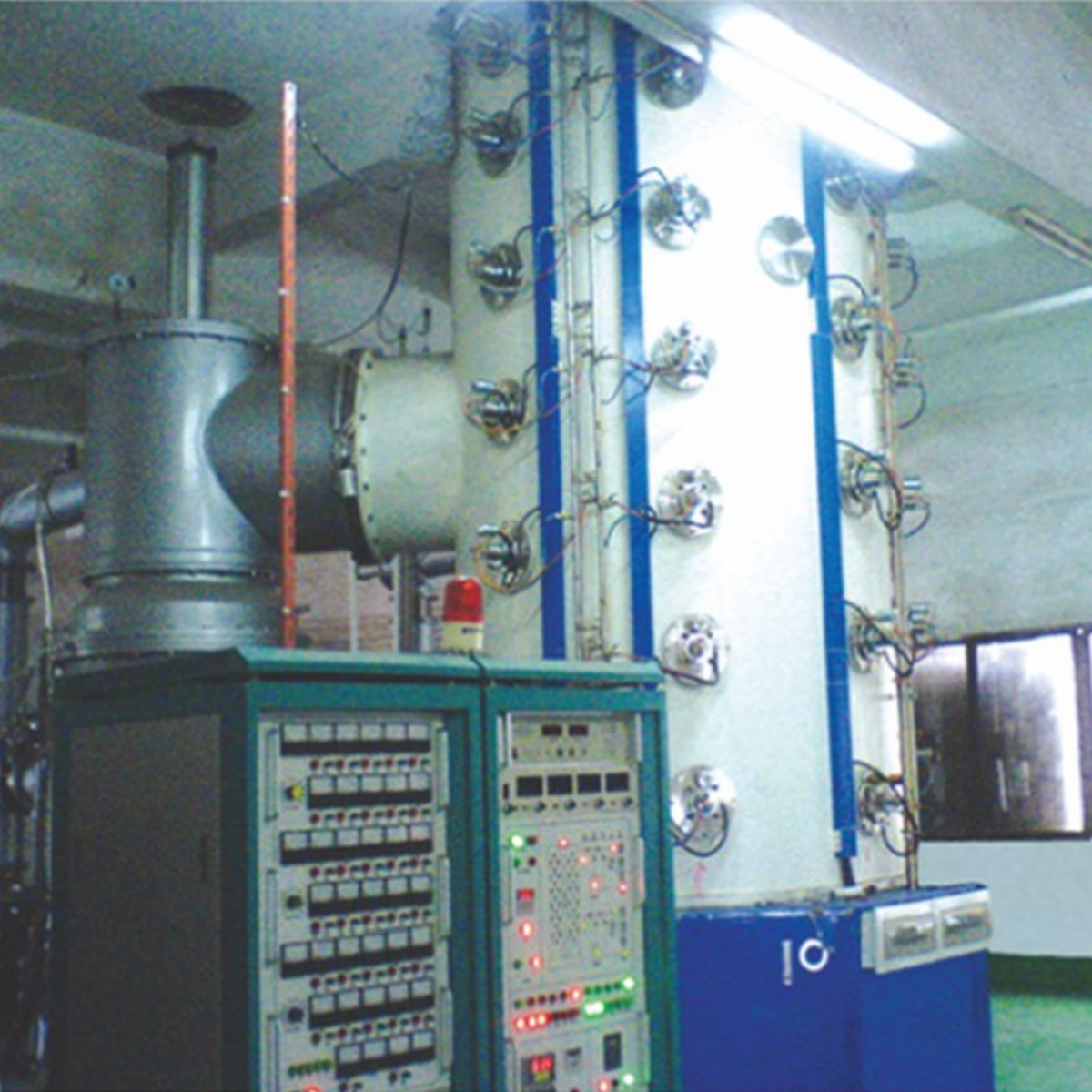
From Concept to Creation: A Comprehensive Guide to Multi-Arc Ion Coating Machines
Table of Contents
- Introduction to Multi-Arc Ion Coating Machines
- Understanding the Technology Behind Ion Coating
- Key Components of a Multi-Arc Ion Coating Machine
- How Multi-Arc Ion Coating Works
- Applications of Multi-Arc Ion Coating in Various Industries
- Advantages of Using Multi-Arc Ion Coating Technology
- Common Challenges and Solutions in Ion Coating
- Future Trends in Multi-Arc Ion Coating Technology
- Frequently Asked Questions
- Conclusion
Introduction to Multi-Arc Ion Coating Machines
In the rapidly evolving landscape of **manufacturing** and **surface engineering**, Multi-Arc Ion Coating Machines stand out for their ability to enhance the durability and functionality of various products. These machines utilize advanced technologies to deposit thin films on surfaces, significantly improving their properties. From enhancing corrosion resistance to increasing wear resistance, multi-arc ion coating has become a crucial process in various industries, including automotive, aerospace, and electronics.
This comprehensive guide aims to elucidate the principles and workings of Multi-Arc Ion Coating Machines, exploring their components, operational mechanisms, and applications. By the end of this article, readers will gain a thorough understanding of how these machines contribute to modern manufacturing and surface engineering.
Understanding the Technology Behind Ion Coating
The fundamentals of **ion coating technology** involve the generation of ions from a target material, which are then accelerated towards the substrate to form a thin film. Multi-Arc Ion Coating specifically employs multiple arcs to create a dense plasma of ions, allowing for the deposition of high-quality coatings.
The mechanism begins with the use of an electric arc to vaporize the target material in a vacuum chamber. This vapor condenses on the substrate, resulting in a coating that adheres strongly and uniformly. The distinct advantage of multi-arc technology is its ability to produce coatings with superior adhesion and density compared to traditional methods.
The Science Behind Ion Generation
The creation of ions in a Multi-Arc Ion Coating Machine involves two primary processes: arc discharge and ionization. The arc discharge produces energetic electrons that collide with the target material, causing it to evaporate. Subsequently, these vaporized atoms ionize upon interacting with residual gas molecules in the chamber, forming a plasma that consists of ions and neutral particles.
The Role of Vacuum in Ion Coating
One of the critical elements of the coating process is the vacuum environment. The vacuum chamber minimizes contamination and ensures that the coating is applied in a controlled atmosphere. This controlled environment is essential for achieving the desired coating quality and performance characteristics.
Key Components of a Multi-Arc Ion Coating Machine
Understanding the key components of a Multi-Arc Ion Coating Machine is vital for grasping how these systems function effectively. The primary components include:
1. Vacuum Chamber
The vacuum chamber is the heart of the multi-arc ion coating process. It houses the substrate and the target material and creates the necessary low-pressure environment for effective ion generation and deposition.
2. Arc Sources
Multi-arc machines utilize several arc sources, often referred to as cathodes, which are responsible for generating the electric arcs. Each source can be independently controlled, facilitating precise deposition profiles and coating characteristics.
3. Substrate Holder
The substrate holder securely positions the workpiece within the vacuum chamber. Advanced holders may also allow for rotation and tilting, ensuring uniform coating across the entire surface.
4. Power Supply
The power supply provides the necessary voltage and current to the arc sources, allowing for consistent operation and optimal ionization conditions.
5. Control System
A sophisticated control system manages the various parameters of the coating process, including pressure, temperature, and power levels. This ensures that the coating process remains stable and repeatable.
How Multi-Arc Ion Coating Works
The operation of a Multi-Arc Ion Coating Machine follows a systematic process that can be broken down into several stages:
1. Preparation of the Substrate
Before the coating process begins, the substrate must be thoroughly cleaned and prepped. This step is crucial to ensure strong adhesion of the coating. Techniques such as mechanical abrasion or chemical cleaning may be used.
2. Creation of the Vacuum
Once the substrate is prepared, the vacuum chamber is sealed, and a vacuum is created to minimize contamination. Typically, the pressure is lowered to a range of 10^-2 to 10^-4 mbar.
3. Arc Ignition
The power supply activates the arc sources, initiating the arc discharge. The temperature of the arcs can reach thousands of degrees Celsius, allowing for efficient vaporization of the target material.
4. Ionization and Deposition
As the target material vaporizes, it interacts with the residual gas in the chamber, forming ions. These ions are accelerated towards the substrate due to the electric field created by the power supply, resulting in their deposition on the surface.
5. Cooling and Finishing
After the desired thickness of the coating is achieved, the system is allowed to cool down. The finished product is then examined for quality assurance, ensuring that it meets the required specifications.
Applications of Multi-Arc Ion Coating in Various Industries
Multi-Arc Ion Coating Machines find applications across a diverse range of industries due to their ability to enhance material properties. Some notable applications include:
1. Aerospace
In aerospace, multi-arc ion coatings are used to protect components from extreme temperatures and corrosion, thus increasing their lifespan and reliability.
2. Automotive
Automotive manufacturers employ these machines to improve the wear resistance of engine parts, brake components, and tools, leading to enhanced performance and durability.
3. Medical Devices
The medical industry benefits from multi-arc ion coatings for surgical instruments and implants, where biocompatibility and resistance to wear are critical.
4. Electronics
In electronics, multi-arc coatings can enhance the performance of connectors, switches, and circuit boards by improving conductivity and corrosion resistance.
5. Tool Manufacturing
Manufacturers of cutting tools and dies use multi-arc coatings to enhance hardness and wear resistance, significantly extending tool life and operational efficiency.
Advantages of Using Multi-Arc Ion Coating Technology
The adoption of Multi-Arc Ion Coating Machines offers several benefits:
1. Superior Adhesion
Coatings produced through multi-arc technology exhibit strong adhesion to substrates, reducing the likelihood of peeling or chipping.
2. Versatility
These machines can apply various types of coatings, including metals, ceramics, and composite materials, making them adaptable to various applications.
3. Control Over Coating Properties
The ability to adjust parameters such as power levels and gas composition allows for fine-tuning of coating properties, including thickness, hardness, and color.
4. Environmental Benefits
Multi-arc ion coating is a cleaner process compared to traditional coating methods, often eliminating the need for hazardous solvents and reducing waste.
5. Cost-Effectiveness
By enhancing the durability of components, multi-arc ion coating can lead to lower maintenance costs and extended service life, offering long-term savings for manufacturers.
Common Challenges and Solutions in Ion Coating
While multi-arc ion coating technology is highly effective, it comes with its challenges:
1. Surface Contamination
Contamination can affect coating quality. Implementing stringent cleaning protocols and utilizing high-quality substrates can mitigate this issue.
2. Equipment Cost
The initial investment for Multi-Arc Ion Coating Machines can be significant. However, the long-term benefits and savings can justify the cost for many manufacturers.
3. Process Complexity
The operational complexity of these machines requires skilled personnel for optimal performance. Investing in training can alleviate this challenge.
4. Uniformity Issues
Achieving uniform coatings can be challenging. Utilizing advanced substrate holders that enable rotation and tilting can enhance uniformity.
Future Trends in Multi-Arc Ion Coating Technology
The field of multi-arc ion coating is continuously evolving, with several trends expected to shape its future:
1. Automation and Control
The integration of automation and AI technologies will streamline the coating process, enhancing precision and repeatability.
2. Emerging Materials
Advancements in materials science may introduce new coatings that offer even better performance characteristics, expanding the scope of applications.
3. Eco-Friendly Innovations
The focus on sustainable manufacturing practices will drive the development of greener ion coating processes, minimizing environmental impact.
4. Customization
Increased demand for customized solutions will lead to innovations in coating techniques, allowing for tailored coatings that meet specific customer needs.
Frequently Asked Questions
1. What materials can be coated using Multi-Arc Ion Coating Machines?
Multi-Arc Ion Coating Machines can coat various materials, including metals, ceramics, and plastics. The versatility makes them suitable for a wide range of applications.
2. How does Multi-Arc Ion Coating differ from traditional coating methods?
Multi-Arc Ion Coating offers superior adhesion, density, and control over coating properties compared to traditional methods, which often rely on simpler spray or dip techniques.
3. What industries benefit the most from this technology?
Industries such as aerospace, automotive, medical devices, electronics, and tool manufacturing significantly benefit from Multi-Arc Ion Coating due to enhanced durability and performance.
4. Can Multi-Arc Ion Coating be applied to complex geometries?
Yes, the technology can be adapted to coat complex geometries, provided that the substrate holder allows for proper positioning and exposure during the coating process.
5. What are the maintenance requirements for Multi-Arc Ion Coating Machines?
Regular maintenance is required to ensure optimal performance, including cleaning the vacuum chamber, inspecting arc sources, and calibrating the control systems.
Conclusion
Multi-Arc Ion Coating Machines represent a significant advancement in surface engineering and manufacturing, delivering high-quality coatings that enhance the performance and longevity of diverse products. Understanding the technology, key components, applications, and benefits of these machines sheds light on their critical role in modern manufacturing processes.
As industries continue to seek innovative solutions to enhance product performance and durability, the adoption of multi-arc ion coating technology is likely to expand. With ongoing advancements in materials and automation, this technology promises to meet the evolving demands of various sectors, ultimately leading to more sustainable and efficient manufacturing practices. Embracing this cutting-edge technology can provide businesses with a competitive edge in an increasingly demanding market.
multi-arc ion coating machine
News
2026-09-28

PROVIDE YOU WITH THE BEST COST PLAN
Contact Us
Wechat: +86-198 7884 1913
Add: B-11, Jiushan Area, Jindu Industrial Park, Jindu, Gaoyao District, Zhaoqing City, Guangdong, China
Connnect with us!


Website