The Essential Guide to Vacuum Coating Machines in Post-Processing Manufacturing
Time:
2025-11-10 09:30
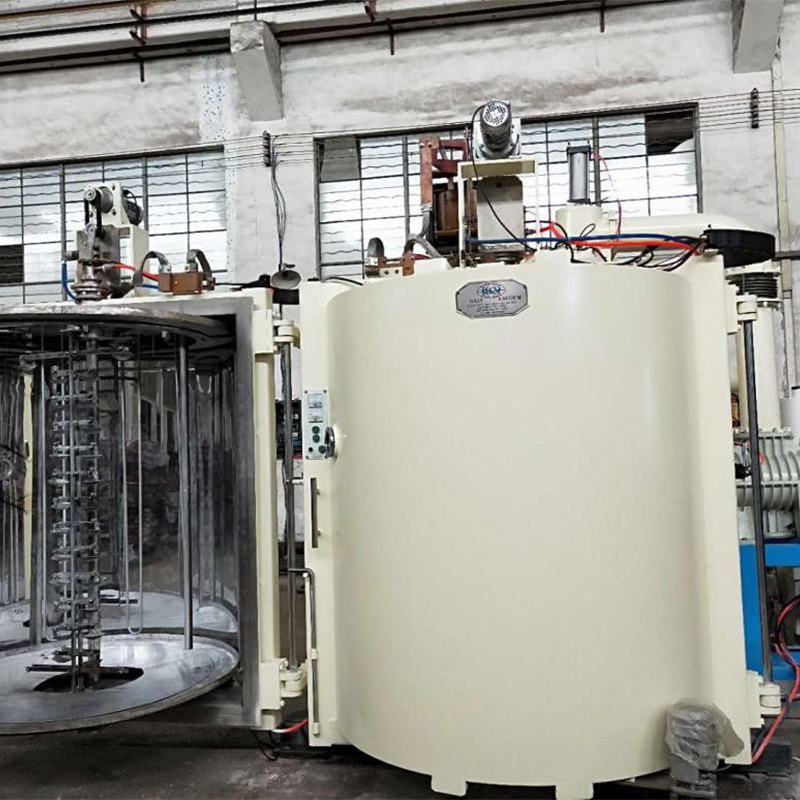
Vacuum coating machines are integral to the manufacturing and post-processing sectors, especially for those involved in laminating processes. These machines utilize advanced technology to deposit thin films onto various substrates, providing a range of functional and aesthetic enhancements. Understanding how vacuum coating machines operate can offer valuable insights for manufacturers looking to optimize their production processes.
At the core of vacuum coating technology is the principle of vapor deposition. In a controlled vacuum environment, materials such as metals, ceramics, or polymers are vaporized and deposited onto a substrate. This process occurs in a vacuum chamber, which minimizes the presence of contaminants that could affect the coating's quality. By controlling the temperature and pressure within the chamber, manufacturers can achieve precise coatings that meet specific requirements for durability, appearance, and functionality.
One of the primary advantages of vacuum coating machines is their ability to produce uniform coatings with excellent adhesion. This is particularly important in applications such as laminating, where a consistent layer can significantly enhance the product's performance. For instance, coatings can improve scratch resistance, reduce friction, and enhance chemical resistance. These properties are crucial for products exposed to harsh conditions or requiring long-lasting durability.
Moreover, vacuum coating machines contribute to sustainability efforts in manufacturing. By optimizing material usage and reducing waste, these systems align with eco-friendly practices. Manufacturers can apply thinner coatings while still achieving the desired protective qualities, leading to lower material consumption and reduced environmental impact.
The versatility of vacuum coating machines is another key benefit. They can be employed across various industries, including electronics, automotive, packaging, and even decorative applications. This flexibility allows businesses to explore diverse markets and cater to a wider range of customer needs.
In conclusion, vacuum coating machines play a crucial role in enhancing the quality and performance of products in the manufacturing sector, particularly in post-processing applications like laminating. By utilizing vapor deposition technology in a controlled environment, manufacturers can achieve superior coatings that improve durability and functionality. As industries continue to evolve, understanding the capabilities of vacuum coating machines will be essential for businesses aiming to stay competitive and meet the growing demand for high-quality products.
At the core of vacuum coating technology is the principle of vapor deposition. In a controlled vacuum environment, materials such as metals, ceramics, or polymers are vaporized and deposited onto a substrate. This process occurs in a vacuum chamber, which minimizes the presence of contaminants that could affect the coating's quality. By controlling the temperature and pressure within the chamber, manufacturers can achieve precise coatings that meet specific requirements for durability, appearance, and functionality.
One of the primary advantages of vacuum coating machines is their ability to produce uniform coatings with excellent adhesion. This is particularly important in applications such as laminating, where a consistent layer can significantly enhance the product's performance. For instance, coatings can improve scratch resistance, reduce friction, and enhance chemical resistance. These properties are crucial for products exposed to harsh conditions or requiring long-lasting durability.
Moreover, vacuum coating machines contribute to sustainability efforts in manufacturing. By optimizing material usage and reducing waste, these systems align with eco-friendly practices. Manufacturers can apply thinner coatings while still achieving the desired protective qualities, leading to lower material consumption and reduced environmental impact.
The versatility of vacuum coating machines is another key benefit. They can be employed across various industries, including electronics, automotive, packaging, and even decorative applications. This flexibility allows businesses to explore diverse markets and cater to a wider range of customer needs.
In conclusion, vacuum coating machines play a crucial role in enhancing the quality and performance of products in the manufacturing sector, particularly in post-processing applications like laminating. By utilizing vapor deposition technology in a controlled environment, manufacturers can achieve superior coatings that improve durability and functionality. As industries continue to evolve, understanding the capabilities of vacuum coating machines will be essential for businesses aiming to stay competitive and meet the growing demand for high-quality products.
vacuum coating machine
News
2026-09-28

PROVIDE YOU WITH THE BEST COST PLAN
Contact Us
Wechat: +86-198 7884 1913
Add: B-11, Jiushan Area, Jindu Industrial Park, Jindu, Gaoyao District, Zhaoqing City, Guangdong, China
Connnect with us!


Website