Innovations in Optical Design: The Integration of Silver Mirror Lines for Enhanced Performance
Time:
2025-04-06 10:00
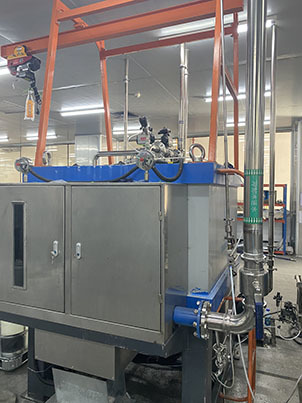
Innovations in Optical Design: The Integration of Silver Mirror Lines
Table of Contents
- 1. Introduction to Optical Design Innovations
- 2. Understanding Silver Mirror Lines
- 3. Benefits of Integrating Silver Mirror Lines
- 4. Applications in Various Industries
- 5. Design Considerations for Optical Instruments
- 6. The Future of Optical Design with Silver Mirror Lines
- 7. FAQs About Silver Mirror Lines in Optical Design
- 8. Conclusion
1. Introduction to Optical Design Innovations
The field of optical design has witnessed remarkable advancements over the years, transforming how we perceive and interact with the world through instruments such as microscopes, telescopes, and cameras. Among the most notable innovations is the integration of **silver mirror lines**. This technology not only enhances the quality of optical instruments but also expands their capabilities, making them more efficient and versatile.
In this article, we will explore the significance of silver mirror lines, examining their advantages, applications across different industries, and the future possibilities they present for optical design.
2. Understanding Silver Mirror Lines
Silver mirror lines play a pivotal role in modern optical systems. These lines are essentially thin coatings of silver applied to optical elements, creating highly reflective surfaces that facilitate improved light transmission and image clarity. Unlike traditional mirrors, silver mirrors offer superior reflectivity across a broad spectrum of wavelengths, ensuring that more light is captured and utilized effectively.
This segment will elucidate the science behind silver mirror lines, discussing their material properties and how they interact with light. By providing minimal distortion and enhanced light management, silver mirror lines are becoming a preferred choice for various optical applications.
The Composition of Silver Mirrors
The primary component of silver mirror lines is, unsurprisingly, silver. This metal is chosen for its high reflectivity and low absorption rates, which are crucial for optimizing light transmission. Silver coatings are often layered with protective materials to ensure durability and longevity, effectively shielding them from environmental factors such as moisture and dust.
Understanding the composition and properties of silver mirrors allows designers to better integrate them into optical systems, ensuring enhanced performance in practical applications.
3. Benefits of Integrating Silver Mirror Lines
Integrating silver mirror lines into optical designs offers numerous advantages that can significantly enhance the performance of optical instruments. Below, we outline some of the key benefits associated with this innovative approach.
Enhanced Reflectivity
One of the most compelling advantages of silver mirror lines is their **enhanced reflectivity**. With reflectivity rates that can exceed 95%, silver mirrors allow for maximum light capture. This is particularly beneficial in low-light environments, where every photon counts.
Improved Image Clarity
By minimizing image distortion and aberrations, silver mirror lines contribute to **improved image clarity**. This ensures that users can achieve sharper and more detailed images, whether in scientific research or casual photography.
Broad Spectral Range
Silver mirrors maintain high reflectivity across a wide range of wavelengths, making them suitable for various applications, from ultraviolet to infrared imaging. This versatility is critical for industries such as astronomy and biomedical research, where diverse wavelengths are often required.
Durability and Longevity
With protective coatings, silver mirror lines can withstand environmental factors that typically degrade other types of mirrors. Their **durability** ensures that optical instruments remain reliable over time, reducing the need for frequent maintenance or replacements.
Cost-Effectiveness
Despite the advanced technology behind silver mirror lines, they often remain cost-effective compared to other high-performance optical components. This affordability makes them an attractive option for manufacturers looking to enhance optical performance without significantly increasing production costs.
4. Applications in Various Industries
The integration of silver mirror lines has found applications in a plethora of industries, each benefiting from enhanced optical performance. Below, we explore some notable sectors where this innovation is making a significant impact.
1. Astronomy
In the field of astronomy, silver mirror lines are used in telescopes to improve the collection of light from distant celestial bodies. With the ability to reflect a wide range of wavelengths, these mirrors help astronomers capture clearer images of stars, planets, and galaxies, aiding in crucial research.
2. Medical Imaging
Optical instruments in the medical field, such as endoscopes and microscopes, require precision and clarity for accurate diagnoses. Silver mirror lines enhance image quality, allowing medical professionals to observe fine details and make informed decisions about patient care.
3. Photography
In the world of photography, silver mirrors improve the performance of camera lenses and reflectors. Photographers benefit from the increased brightness and clarity in their images, making silver mirror lines an essential component in professional-grade equipment.
4. Industrial Applications
Industrial optics, including inspection systems and laser applications, leverage silver mirror lines to enhance the accuracy and efficiency of their processes. High reflectivity leads to better energy management and reduces losses, ultimately improving operational productivity.
5. Consumer Electronics
With the rise of advanced consumer electronics, silver mirror lines have found their way into devices like projectors and display screens. Their ability to reflect light effectively contributes to enhanced viewing experiences for users.
5. Design Considerations for Optical Instruments
When integrating silver mirror lines into optical designs, several key considerations must be addressed to ensure optimal performance.
1. Surface Quality
The quality of the underlying surface is crucial for achieving maximum reflectivity. Surface imperfections can lead to light scattering, diminishing the overall performance of the optical system. Careful preparation and polishing techniques must be employed to create a suitable substrate for silver coatings.
2. Coating Thickness
The thickness of the silver coating can significantly impact reflectivity. While thicker layers may increase durability, they can also lead to absorption losses. Designers must strike a balance to optimize performance while ensuring longevity.
3. Environmental Factors
Optical instruments are often exposed to environmental conditions that can affect their performance. It is essential to consider factors such as humidity, temperature fluctuations, and exposure to contaminants when designing instruments that incorporate silver mirror lines.
4. Compatibility with Other Materials
Silver mirror lines must be compatible with other components within the optical system. Adhesives, substrates, and protective coatings must be carefully chosen to avoid chemical reactions that could compromise the integrity of the mirrors.
6. The Future of Optical Design with Silver Mirror Lines
The future of optical design is poised for exciting developments with the continued integration of silver mirror lines. As technology advances, we can expect to see improvements in manufacturing techniques that further enhance the properties of silver mirrors.
Innovations such as **nano-coatings** and **smart materials** may offer even greater levels of performance. These advancements could lead to the development of adaptive optical systems that respond to environmental changes, optimizing light management on-the-fly.
Moreover, as industries continue to demand higher precision and efficiency, the role of silver mirror lines will likely expand, leading to new applications that we have yet to imagine.
7. FAQs About Silver Mirror Lines in Optical Design
1. What are silver mirror lines?
Silver mirror lines are thin coatings of silver applied to optical surfaces to enhance reflectivity and improve light management.
2. How do silver mirror lines improve image quality?
By offering high reflectivity and reducing distortion, silver mirror lines ensure clearer and sharper images across various optical applications.
3. Are silver mirrors durable?
Yes, silver mirrors can be made durable with protective coatings, making them resistant to environmental factors that typically degrade other types of mirrors.
4. What industries benefit from silver mirror lines?
Industries such as astronomy, medical imaging, photography, industrial optics, and consumer electronics all benefit from the integration of silver mirror lines.
5. How do I ensure the optimal performance of silver mirror lines in my designs?
To ensure optimal performance, consider factors such as surface quality, coating thickness, environmental conditions, and compatibility with other materials during the design process.
8. Conclusion
The integration of silver mirror lines represents a significant advancement in optical design, offering enhanced reflectivity, improved image clarity, and a broad range of applications across various industries. As we have explored, the benefits of this innovative technology extend beyond mere performance enhancements; they pave the way for future developments in optical systems.
By understanding the intricacies of silver mirror lines and addressing the key design considerations, manufacturers can leverage this technology to create cutting-edge optical instruments that meet the demands of an ever-evolving landscape. As we look forward to the future, it is clear that silver mirror lines will continue to play a pivotal role in the ongoing evolution of optical design.
silver mirror line
News
2026-09-28

PROVIDE YOU WITH THE BEST COST PLAN
Contact Us
Wechat: +86-198 7884 1913
Add: B-11, Jiushan Area, Jindu Industrial Park, Jindu, Gaoyao District, Zhaoqing City, Guangdong, China
Connnect with us!


Website