Understanding Aluminum Mirror Line: A Key Element in Architectural Design
Time:
2024-12-16 11:20
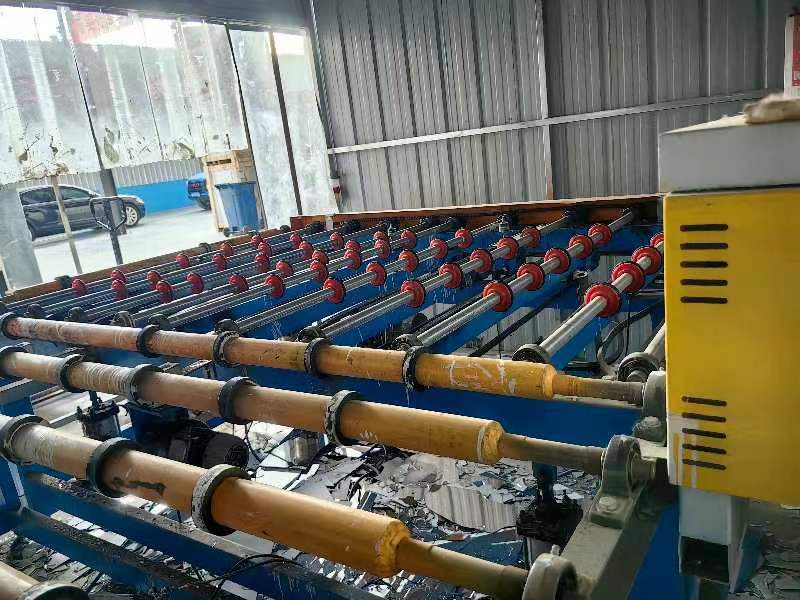
In the building and decorative materials sector, particularly in aluminum profiles, the term "aluminum mirror line" refers to a specific finish or design feature that enhances both the functionality and visual appeal of aluminum components. This design technique primarily involves polishing the aluminum surface to create a reflective mirror-like finish. This reflection not only serves aesthetic purposes but also plays a significant role in design versatility.
One of the primary applications of the aluminum mirror line is in architectural settings, where it is commonly used in facades, railings, and decorative panels. The shiny surface can enhance the architectural beauty of a building, offering a contemporary and sophisticated look. Moreover, the reflective quality of the aluminum mirror line can create an illusion of space, making environments appear larger and more open, which is particularly beneficial in urban settings where real estate is at a premium.
In addition to aesthetics, the aluminum mirror line offers several practical benefits. Aluminum, as a material, is lightweight yet robust, making it easier to handle and install compared to other metals. The reflective surface is also resistant to corrosion, which is crucial in outdoor applications where exposure to the elements is inevitable. This durability ensures that the mirror finish retains its luster over time, reducing maintenance efforts and costs.
Another noteworthy advantage is energy efficiency. The reflective surface can help in reducing heat absorption, thereby contributing to lower energy consumption in buildings, especially in warmer climates. By reflecting sunlight, the aluminum mirror line can assist in keeping indoor spaces cooler, which can lead to savings on air conditioning and cooling costs.
Sustainability is another critical consideration in today's construction industry. Aluminum is a highly recyclable material, and using aluminum profiles with a mirror finish aligns with eco-friendly practices. This not only reduces waste but also supports sustainable building initiatives, an increasingly important factor for many architects and builders.
When integrating aluminum mirror lines into design projects, it’s essential to consider factors such as the intended use, environmental exposure, and maintenance requirements. Collaborating closely with architects and designers can help ensure that the aluminum mirror line complements the overall design vision while meeting functional needs.
In conclusion, the aluminum mirror line is a vital component in the architectural and decorative materials industry, offering both aesthetic enhancement and practical benefits. By understanding its applications and advantages, professionals can make informed decisions that elevate their design projects while adhering to modern sustainability principles.
One of the primary applications of the aluminum mirror line is in architectural settings, where it is commonly used in facades, railings, and decorative panels. The shiny surface can enhance the architectural beauty of a building, offering a contemporary and sophisticated look. Moreover, the reflective quality of the aluminum mirror line can create an illusion of space, making environments appear larger and more open, which is particularly beneficial in urban settings where real estate is at a premium.
In addition to aesthetics, the aluminum mirror line offers several practical benefits. Aluminum, as a material, is lightweight yet robust, making it easier to handle and install compared to other metals. The reflective surface is also resistant to corrosion, which is crucial in outdoor applications where exposure to the elements is inevitable. This durability ensures that the mirror finish retains its luster over time, reducing maintenance efforts and costs.
Another noteworthy advantage is energy efficiency. The reflective surface can help in reducing heat absorption, thereby contributing to lower energy consumption in buildings, especially in warmer climates. By reflecting sunlight, the aluminum mirror line can assist in keeping indoor spaces cooler, which can lead to savings on air conditioning and cooling costs.
Sustainability is another critical consideration in today's construction industry. Aluminum is a highly recyclable material, and using aluminum profiles with a mirror finish aligns with eco-friendly practices. This not only reduces waste but also supports sustainable building initiatives, an increasingly important factor for many architects and builders.
When integrating aluminum mirror lines into design projects, it’s essential to consider factors such as the intended use, environmental exposure, and maintenance requirements. Collaborating closely with architects and designers can help ensure that the aluminum mirror line complements the overall design vision while meeting functional needs.
In conclusion, the aluminum mirror line is a vital component in the architectural and decorative materials industry, offering both aesthetic enhancement and practical benefits. By understanding its applications and advantages, professionals can make informed decisions that elevate their design projects while adhering to modern sustainability principles.
aluminum mirror line
News
2026-09-28

PROVIDE YOU WITH THE BEST COST PLAN
Contact Us
Wechat: +86-198 7884 1913
Add: B-11, Jiushan Area, Jindu Industrial Park, Jindu, Gaoyao District, Zhaoqing City, Guangdong, China
Connnect with us!


Website