Transform Your Glass Surfaces with the Right Coating Machine: A Comprehensive Guide
Time:
2024-11-19 11:01
Transform Your Glass Surfaces with the Right Coating Machine
Table of Contents
- Introduction: The Importance of Glass Surface Coatings
- Understanding Coating Machines: Types and Functions
- Benefits of Glass Coatings: Why They Matter
- Choosing the Right Coating Machine: Key Factors to Consider
- Popular Coating Techniques for Glass Surfaces
- Maintenance and Care of Coating Machines
- Common Issues with Glass Coatings and Their Solutions
- Conclusion: Elevate Your Glass Surfaces
- FAQs: Everything You Need to Know
Introduction: The Importance of Glass Surface Coatings
In today's world, glass surfaces are not only functional but also play a crucial role in aesthetics and energy efficiency. The right coating can significantly enhance the durability and appearance of glass, making it an essential consideration for manufacturers and end-users alike. Coatings can protect against scratches, UV radiation, and environmental factors, ensuring that glass surfaces maintain their clarity and appeal over time.
Understanding Coating Machines: Types and Functions
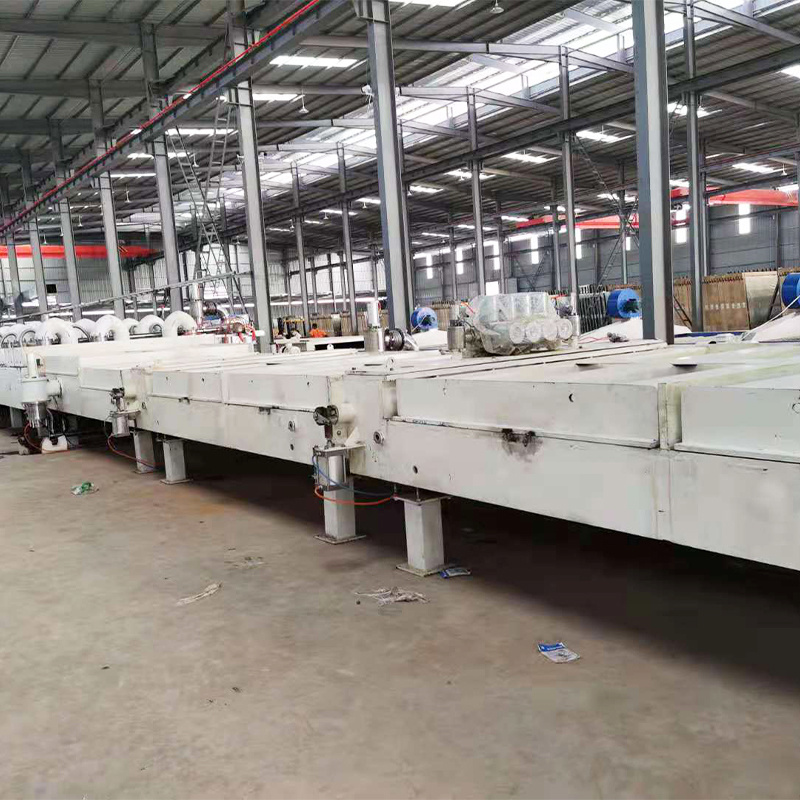
Coating machines are specialized equipment designed to apply protective and decorative layers to glass surfaces. These machines vary in complexity, size, and technology, making it crucial to understand the different types available.
Types of Coating Machines
1. **Vacuum Coating Machines**: Utilizing vacuum technology, these machines apply thin films of material to glass surfaces. They are ideal for applications requiring precise coatings such as anti-reflective or low-emissivity finishes.
2. **Spray Coating Machines**: These machines use a spray mechanism to apply coatings evenly. They are commonly employed for larger glass surfaces and offer versatility in coating types.
3. **Roll Coating Machines**: Perfect for continuous production processes, roll coating machines apply coatings in a consistent manner. They are efficient and ideal for high-volume operations.
4. **Dip Coating Machines**: In this method, glass is submerged in a coating solution, allowing for a uniform application. This technique is particularly useful for achieving a smooth, even finish.
Benefits of Glass Coatings: Why They Matter
Implementing glass coatings through the right machines provides numerous advantages. Understanding these benefits can help industries and consumers appreciate the value of these technologies.
Enhanced Durability
Coatings significantly increase the lifespan of glass surfaces. They protect against scratches, corrosion, and chemical damage, ensuring that glass remains intact and functional.
Improved Aesthetic Appeal
Coated glass can achieve various finishes, from matte to glossy. This versatility allows for customization according to design preferences, enhancing the overall aesthetic of the product.
Energy Efficiency
Certain coatings can improve a glass surface's energy efficiency by reflecting or absorbing specific wavelengths of light. Low-emissivity coatings, for instance, reduce heat transfer, maintaining indoor temperatures and reducing energy costs.
UV Protection
Glass coatings can filter harmful UV rays, protecting both the glass itself and the materials or individuals inside a space. This protection is particularly important for items sensitive to light, such as artwork or furniture.
Choosing the Right Coating Machine: Key Factors to Consider
Selecting the appropriate coating machine is crucial for achieving the best results. Here are some key factors to evaluate:
Application Type
Consider the specific type of coating you plan to apply. Different machines excel in various applications, so understanding your requirements is essential.
Production Volume
Assess the volume of glass surfaces you need to coat. High-volume production lines may necessitate more advanced, automated machines.
Budget Constraints
Establish a budget that considers not only the purchase price of the machine but also ongoing maintenance and operational costs.
Technology Compatibility
Ensure that the coating machine is compatible with the specific coating materials you intend to use. This compatibility can affect the quality and efficiency of the application.
Popular Coating Techniques for Glass Surfaces
Various techniques can be employed to achieve different coating effects. Here are some popular methods:
Thin Film Coating
This technique involves applying very thin layers of material to the glass surface, resulting in minimal impact on clarity while enhancing durability and functionality.
Anti-Reflective Coatings
These coatings reduce glare and reflections, making glass surfaces easier to see through. They are commonly used in optics and display technologies.
Hydrophobic Coatings
Hydrophobic coatings repel water, making glass surfaces easier to clean and maintaining clarity. These coatings are popular in automotive and architectural applications.
Maintenance and Care of Coating Machines
To ensure the longevity and efficiency of coating machines, proper maintenance is essential. Here are some best practices:
Regular Cleaning
Keep the machines clean to prevent buildup that can affect performance. Schedule routine cleaning of nozzles and surfaces.
Periodic Inspections
Conduct regular inspections to identify any potential issues early. Look for wear and tear on components and address these concerns promptly.
Follow Manufacturer Guidelines
Always adhere to the manufacturer's maintenance guidelines for optimal performance and lifespan.
Common Issues with Glass Coatings and Their Solutions
Despite their benefits, glass coatings can encounter issues. Here are some common problems and solutions:
Uneven Coating Application
If the coating appears uneven, check for clogs in the coating machine or improper feeding of the coating material. Cleaning and recalibrating the machine often resolves this issue.
Adhesion Problems
If coatings are peeling or not adhering properly, it may be necessary to assess the surface preparation. Ensuring that glass surfaces are clean and free from contaminants is vital.
Color Variations
Inconsistent color across coated surfaces can result from variations in application technique or material quality. Use quality materials and maintain consistent application parameters to mitigate this issue.
Conclusion: Elevate Your Glass Surfaces
The right coating machine can transform your glass surfaces, enhancing their performance, durability, and aesthetic appeal. By understanding the various types of machines available, the benefits of glass coatings, and the essential factors for selecting the right equipment, you can ensure optimal results for your projects. Investing in quality coating solutions not only protects your glass but also elevates its value in any application.
FAQs: Everything You Need to Know
1. What is the main purpose of glass coatings?
Glass coatings serve multiple purposes, including enhancing durability, improving aesthetics, providing UV protection, and increasing energy efficiency.
2. How do I choose the right coating machine for my needs?
Consider factors such as application type, production volume, budget, and compatibility with coating materials when selecting a coating machine.
3. What are some popular coating techniques for glass surfaces?
Some popular techniques include thin film coating, anti-reflective coatings, and hydrophobic coatings.
4. How can I maintain my coating machine?
Regular cleaning, periodic inspections, and adherence to manufacturer guidelines are essential for proper maintenance.
5. What should I do if I encounter issues with my glass coating?
Identify the issue—such as uneven application or adhesion problems—and consult the machine's manual for troubleshooting tips or seek professional assistance as needed.
glass coating machine
News
2026-09-28

PROVIDE YOU WITH THE BEST COST PLAN
Contact Us
Wechat: +86-198 7884 1913
Add: B-11, Jiushan Area, Jindu Industrial Park, Jindu, Gaoyao District, Zhaoqing City, Guangdong, China
Connnect with us!


Website