Understanding Glass Coating Lines: A Key Element in Industrial Coating Processes
Time:
2024-10-17 12:40
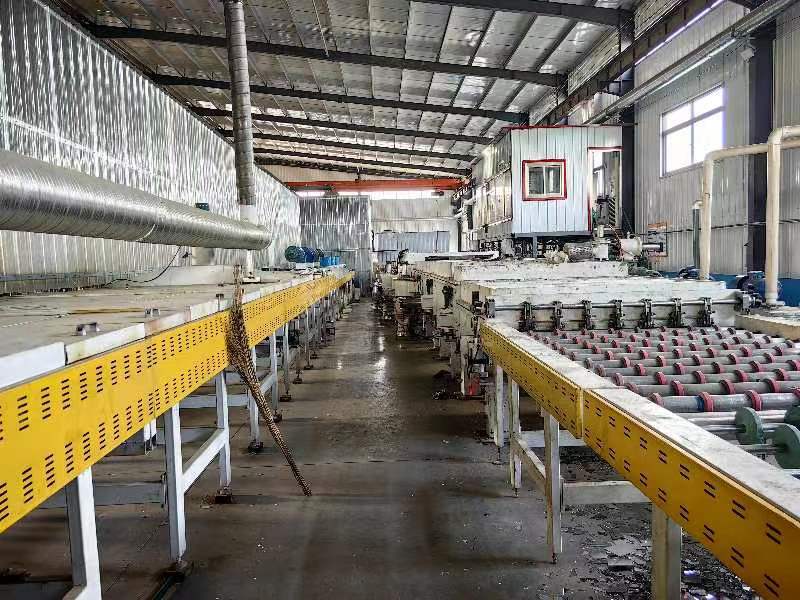
Glass coating lines are specialized production systems designed for applying protective and decorative coatings to glass substrates. As industries continue to demand higher quality and more durable products, understanding the nuances of glass coating technology becomes increasingly important. These lines can enhance various glass products, such as automotive windshields, architectural glass, and consumer electronics, by improving their resistance to scratches, chemicals, and environmental factors.
One of the main components of a glass coating line is the coating application system. This can include techniques such as spray, dip, or roll-coating, each offering different advantages based on the desired outcome. For instance, spray coating is often ideal for large surfaces and can provide a uniform layer, whereas dip coating ensures complete coverage, which is vital for intricate shapes. Understanding which method to employ based on product specifications is critical for optimizing the production process.
Another crucial aspect of glass coating lines is the curing process. After the coating is applied, proper curing is necessary to ensure that the coating adheres effectively to the glass surface. This can be achieved through various methods such as thermal curing, UV curing, or chemical curing, each with its own advantages. For example, UV curing is gaining popularity due to its rapid processing times and energy efficiency, which can significantly enhance production rates while reducing energy consumption.
Furthermore, advancements in technology have led to the integration of automation and control systems within glass coating lines. Automated systems can enhance precision and reduce labor costs, while advanced monitoring technologies ensure consistent quality control throughout the production cycle. By adopting these innovations, manufacturers can improve their operational efficiency and adapt to the growing demands of the market.
Sustainability is another emerging trend impacting glass coating lines. With increasing environmental regulations and consumer preference for eco-friendly products, manufacturers are exploring water-based coatings and energy-efficient curing methods. This shift not only reduces the environmental footprint but also aligns with the market's evolving expectations.
In conclusion, understanding glass coating lines is essential for professionals in the industrial equipment sector. By keeping abreast of the latest technologies, coating application methods, and sustainability practices, industry experts can better navigate the challenges and opportunities within the coating production landscape. Whether optimizing existing processes or exploring new innovations, a solid grasp of glass coating lines will undoubtedly lead to improved product quality and greater market competitiveness.
One of the main components of a glass coating line is the coating application system. This can include techniques such as spray, dip, or roll-coating, each offering different advantages based on the desired outcome. For instance, spray coating is often ideal for large surfaces and can provide a uniform layer, whereas dip coating ensures complete coverage, which is vital for intricate shapes. Understanding which method to employ based on product specifications is critical for optimizing the production process.
Another crucial aspect of glass coating lines is the curing process. After the coating is applied, proper curing is necessary to ensure that the coating adheres effectively to the glass surface. This can be achieved through various methods such as thermal curing, UV curing, or chemical curing, each with its own advantages. For example, UV curing is gaining popularity due to its rapid processing times and energy efficiency, which can significantly enhance production rates while reducing energy consumption.
Furthermore, advancements in technology have led to the integration of automation and control systems within glass coating lines. Automated systems can enhance precision and reduce labor costs, while advanced monitoring technologies ensure consistent quality control throughout the production cycle. By adopting these innovations, manufacturers can improve their operational efficiency and adapt to the growing demands of the market.
Sustainability is another emerging trend impacting glass coating lines. With increasing environmental regulations and consumer preference for eco-friendly products, manufacturers are exploring water-based coatings and energy-efficient curing methods. This shift not only reduces the environmental footprint but also aligns with the market's evolving expectations.
In conclusion, understanding glass coating lines is essential for professionals in the industrial equipment sector. By keeping abreast of the latest technologies, coating application methods, and sustainability practices, industry experts can better navigate the challenges and opportunities within the coating production landscape. Whether optimizing existing processes or exploring new innovations, a solid grasp of glass coating lines will undoubtedly lead to improved product quality and greater market competitiveness.
glass coating line
News
2026-09-28

PROVIDE YOU WITH THE BEST COST PLAN
Contact Us
Wechat: +86-198 7884 1913
Add: B-11, Jiushan Area, Jindu Industrial Park, Jindu, Gaoyao District, Zhaoqing City, Guangdong, China
Connnect with us!


Website