Increase Efficiency and Quality with Curtain Wall Glass Coating Production Line
Time:
2024-01-24 16:40
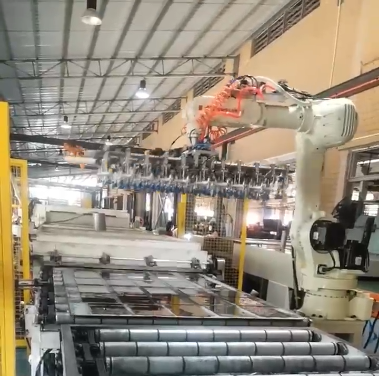
Table of Contents:
1. Introduction: The Importance of Efficiency and Quality in Curtain Wall Glass Coating
2. Understanding Curtain Wall Glass Coating Production Line
3. Benefits of Implementing a Production Line for Curtain Wall Glass Coating
4. Key Components and Features of an Efficient Production Line
5. Step-by-Step Guide to Optimize Efficiency and Quality
6. Addressing Common Challenges in Curtain Wall Glass Coating Production Line
7. Frequently Asked Questions (FAQs)
8. Conclusion
Efficiency and quality are paramount in the curtain wall glass coating industry. The ability to produce high-quality coated glass panels in an efficient manner directly impacts the success and competitiveness of manufacturers. In this article, we will explore how a well-designed production line can help maximize efficiency and ensure top-notch quality throughout the process.
A curtain wall glass coating production line is a comprehensive system that integrates various machines and processes to coat glass panels with specialized coatings. This line streamlines the coating process, from surface preparation to drying and curing, resulting in enhanced productivity and consistent quality.
Implementing a production line for curtain wall glass coating offers numerous advantages. These include:
- Improved Efficiency: A well-designed production line reduces manual labor, minimizes downtime, and streamlines the overall workflow. This leads to higher production capacity and faster turnaround times.
- Consistent Quality: By automating critical processes and utilizing advanced technologies, a production line ensures consistent coating thickness, uniformity, and adherence to desired specifications, resulting in superior quality coated glass panels.
- Cost Reduction: Increased efficiency and reduced manual intervention lead to cost savings in terms of labor, material waste, and energy consumption. Furthermore, minimizing errors and rework lowers production costs significantly.
To achieve optimal efficiency and quality, a curtain wall glass coating production line should incorporate the following key components and features:
- Automated Coating Application: Advanced coating application systems, such as robotic arms or precision spray nozzles, ensure precise and consistent coating deposition across the glass panels.
- Efficient Drying and Curing: Incorporating specialized drying and curing chambers with precise temperature and humidity control ensures proper curing of the coating, enhancing adhesion and durability.
- Quality Control Systems: Implementing inspection and monitoring systems throughout the production line enables real-time quality control, detecting and rectifying any deviations or defects promptly.
- Material Handling Solutions: Integrated material handling systems, such as conveyors or automated loaders, facilitate seamless movement of glass panels between different stages of the production line, reducing manual handling and potential damages.
To optimize efficiency and quality in your curtain wall glass coating production line, follow these steps:
1. Assess Current Workflow: Evaluate your existing coating process, identify bottlenecks, and areas for improvement. This will help you pinpoint specific pain points and opportunities for optimization.
2. Design a Tailored Production Line: Collaborate with experts to design a customized production line that aligns with your specific requirements and production capacity. Consider factors such as space availability and future scalability.
3. Automate Critical Processes: Incorporate automation technologies to minimize human error, increase productivity, and enhance uniformity in coating application, drying, and curing.
4. Implement Quality Control Measures: Integrate inspection systems to monitor coating thickness, adhesion, and overall quality. Implement feedback loops to address any deviations promptly.
5. Train and Empower Workforce: Provide comprehensive training to your employees to ensure they understand the production line and its operations. Encourage continuous improvement and empower them to contribute ideas for process optimization.
6. Regular Maintenance and Calibration: Schedule routine maintenance and calibration of machinery and equipment to ensure optimal performance. Regular cleaning and calibration help prevent issues and maintain consistent quality.
7. Continuous Monitoring and Analysis: Implement data collection and analysis systems to monitor production line performance, identify trends, and make data-driven decisions for further enhancements.
While implementing a production line can significantly enhance efficiency and quality, it also comes with its own set of challenges. Some common challenges and their solutions include:
- Ensuring Uniform Coating Thickness: Utilize advanced measurement and control systems to monitor and adjust coating thickness during application to ensure uniformity.
- Minimizing Defects and Contaminants: Implement thorough cleaning and filtration systems to prevent contaminants from affecting coating quality. Regular maintenance and inspection can help identify and rectify sources of defects.
- Optimizing Drying and Curing: Fine-tune drying and curing parameters to achieve optimal results. Conduct regular testing and experimentation to identify the most efficient conditions for different coating compositions.
Yes, implementing a production line can significantly enhance productivity by streamlining the workflow, reducing manual labor, and minimizing downtime.
A production line incorporates automated coating application systems, quality control measures, and regular inspections to ensure consistent coating thickness, uniformity, and adherence to desired specifications.
A production line reduces labor costs, material waste, and energy consumption, resulting in significant cost savings for manufacturers.
By incorporating advanced measurement and control systems, implementing thorough cleaning and filtration mechanisms, and fine-tuning drying and curing parameters, you can effectively address common challenges in curtain wall glass coating production.
Regular maintenance and calibration are crucial to ensure optimal performance, prevent issues, and maintain consistent quality throughout the production line.
In conclusion, optimizing efficiency and quality in curtain wall glass coating production requires the implementation of a well-designed production line. By incorporating automation, quality control measures, and addressing common challenges, manufacturers can achieve remarkable results. Embrace the power of a production line to enhance productivity, reduce costs, and deliver unparalleled quality in the coating process.
1. Introduction: The Importance of Efficiency and Quality in Curtain Wall Glass Coating
2. Understanding Curtain Wall Glass Coating Production Line
3. Benefits of Implementing a Production Line for Curtain Wall Glass Coating
4. Key Components and Features of an Efficient Production Line
5. Step-by-Step Guide to Optimize Efficiency and Quality
6. Addressing Common Challenges in Curtain Wall Glass Coating Production Line
7. Frequently Asked Questions (FAQs)
8. Conclusion
1. Introduction: The Importance of Efficiency and Quality in Curtain Wall Glass Coating
Efficiency and quality are paramount in the curtain wall glass coating industry. The ability to produce high-quality coated glass panels in an efficient manner directly impacts the success and competitiveness of manufacturers. In this article, we will explore how a well-designed production line can help maximize efficiency and ensure top-notch quality throughout the process.
2. Understanding Curtain Wall Glass Coating Production Line
A curtain wall glass coating production line is a comprehensive system that integrates various machines and processes to coat glass panels with specialized coatings. This line streamlines the coating process, from surface preparation to drying and curing, resulting in enhanced productivity and consistent quality.
3. Benefits of Implementing a Production Line for Curtain Wall Glass Coating
Implementing a production line for curtain wall glass coating offers numerous advantages. These include:
- Improved Efficiency: A well-designed production line reduces manual labor, minimizes downtime, and streamlines the overall workflow. This leads to higher production capacity and faster turnaround times.
- Consistent Quality: By automating critical processes and utilizing advanced technologies, a production line ensures consistent coating thickness, uniformity, and adherence to desired specifications, resulting in superior quality coated glass panels.
- Cost Reduction: Increased efficiency and reduced manual intervention lead to cost savings in terms of labor, material waste, and energy consumption. Furthermore, minimizing errors and rework lowers production costs significantly.
4. Key Components and Features of an Efficient Production Line
To achieve optimal efficiency and quality, a curtain wall glass coating production line should incorporate the following key components and features:
- Automated Coating Application: Advanced coating application systems, such as robotic arms or precision spray nozzles, ensure precise and consistent coating deposition across the glass panels.
- Efficient Drying and Curing: Incorporating specialized drying and curing chambers with precise temperature and humidity control ensures proper curing of the coating, enhancing adhesion and durability.
- Quality Control Systems: Implementing inspection and monitoring systems throughout the production line enables real-time quality control, detecting and rectifying any deviations or defects promptly.
- Material Handling Solutions: Integrated material handling systems, such as conveyors or automated loaders, facilitate seamless movement of glass panels between different stages of the production line, reducing manual handling and potential damages.
5. Step-by-Step Guide to Optimize Efficiency and Quality
To optimize efficiency and quality in your curtain wall glass coating production line, follow these steps:
1. Assess Current Workflow: Evaluate your existing coating process, identify bottlenecks, and areas for improvement. This will help you pinpoint specific pain points and opportunities for optimization.
2. Design a Tailored Production Line: Collaborate with experts to design a customized production line that aligns with your specific requirements and production capacity. Consider factors such as space availability and future scalability.
3. Automate Critical Processes: Incorporate automation technologies to minimize human error, increase productivity, and enhance uniformity in coating application, drying, and curing.
4. Implement Quality Control Measures: Integrate inspection systems to monitor coating thickness, adhesion, and overall quality. Implement feedback loops to address any deviations promptly.
5. Train and Empower Workforce: Provide comprehensive training to your employees to ensure they understand the production line and its operations. Encourage continuous improvement and empower them to contribute ideas for process optimization.
6. Regular Maintenance and Calibration: Schedule routine maintenance and calibration of machinery and equipment to ensure optimal performance. Regular cleaning and calibration help prevent issues and maintain consistent quality.
7. Continuous Monitoring and Analysis: Implement data collection and analysis systems to monitor production line performance, identify trends, and make data-driven decisions for further enhancements.
6. Addressing Common Challenges in Curtain Wall Glass Coating Production Line
While implementing a production line can significantly enhance efficiency and quality, it also comes with its own set of challenges. Some common challenges and their solutions include:
- Ensuring Uniform Coating Thickness: Utilize advanced measurement and control systems to monitor and adjust coating thickness during application to ensure uniformity.
- Minimizing Defects and Contaminants: Implement thorough cleaning and filtration systems to prevent contaminants from affecting coating quality. Regular maintenance and inspection can help identify and rectify sources of defects.
- Optimizing Drying and Curing: Fine-tune drying and curing parameters to achieve optimal results. Conduct regular testing and experimentation to identify the most efficient conditions for different coating compositions.
7. Frequently Asked Questions (FAQs)
Q1: Can a production line improve productivity in curtain wall glass coating?
A1:
Yes, implementing a production line can significantly enhance productivity by streamlining the workflow, reducing manual labor, and minimizing downtime.
Q2: How can a production line ensure consistent quality in coating application?
A2:
A production line incorporates automated coating application systems, quality control measures, and regular inspections to ensure consistent coating thickness, uniformity, and adherence to desired specifications.
Q3: What are the cost-saving benefits of a production line?
A3:
A production line reduces labor costs, material waste, and energy consumption, resulting in significant cost savings for manufacturers.
Q4: How can I address common challenges in curtain wall glass coating production?
A4:
By incorporating advanced measurement and control systems, implementing thorough cleaning and filtration mechanisms, and fine-tuning drying and curing parameters, you can effectively address common challenges in curtain wall glass coating production.
Q5: How important is regular maintenance and calibration in a production line?
A5:
Regular maintenance and calibration are crucial to ensure optimal performance, prevent issues, and maintain consistent quality throughout the production line.
8. Conclusion
In conclusion, optimizing efficiency and quality in curtain wall glass coating production requires the implementation of a well-designed production line. By incorporating automation, quality control measures, and addressing common challenges, manufacturers can achieve remarkable results. Embrace the power of a production line to enhance productivity, reduce costs, and deliver unparalleled quality in the coating process.
curtain wall glass coating production line
News
2026-09-28

PROVIDE YOU WITH THE BEST COST PLAN
Contact Us
Wechat: +86-198 7884 1913
Add: B-11, Jiushan Area, Jindu Industrial Park, Jindu, Gaoyao District, Zhaoqing City, Guangdong, China
Connnect with us!


Website