Understanding the Significance of Vertical Vacuum Coating Machines in Post-Processing Manufacturing
Time:
2026-08-03 15:50
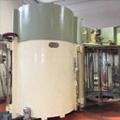
In the realm of manufacturing and processing machinery, vertical vacuum coating machines have emerged as a game-changer, particularly in the post-processing segment where laminating machines are utilized. These machines utilize advanced vacuum technology to deposit thin films onto various substrates, offering a range of benefits that can significantly impact product quality and production efficiency.
One of the primary advantages of vertical vacuum coating machines is their ability to achieve uniform film thickness across different substrates. This uniformity is crucial for applications such as optical coatings, decorative finishes, and protective layers, where even a slight variation can affect performance and aesthetics. The vertical configuration allows for effective utilization of gravitational forces, ensuring that the coating material is evenly distributed, thus enhancing the overall quality of the final product.
Moreover, vertical vacuum coating machines are known for their versatility. They can accommodate a variety of materials, including metals, oxides, and polymers, which makes them suitable for a wide range of applications in industries such as electronics, automotive, and packaging. This adaptability can lead to reduced downtime and increased productivity, as manufacturers can switch between different coating materials without the need for extensive reconfiguration.
Another significant benefit of using vertical vacuum coating machines is their efficiency in material usage. The vacuum environment minimizes waste and allows for the recycling of unused coating material, ultimately leading to cost savings. This aspect is increasingly important in today's manufacturing landscape, where sustainability and resource conservation are becoming key considerations for companies striving to improve their environmental footprint.
To maximize the effectiveness of vertical vacuum coating machines, manufacturers should focus on several best practices. Regular maintenance is essential to ensure optimal performance and longevity. This includes routine checks on vacuum integrity, cleaning of deposition sources, and monitoring of system parameters to prevent issues that could lead to subpar coating quality. Additionally, investing in training for operators can help them better understand the intricacies of the technology, enabling them to make informed decisions that enhance productivity.
In conclusion, vertical vacuum coating machines play a pivotal role in the post-processing manufacturing sector, particularly in the context of laminating machines. Their ability to deliver high-quality, uniform coatings while optimizing material usage makes them an invaluable asset for manufacturers looking to enhance their operations. By adopting best practices and embracing the innovative potential of this technology, industry professionals can position themselves at the forefront of manufacturing excellence.
Vertical vacuum coating machine
News
2026-09-28

PROVIDE YOU WITH THE BEST COST PLAN
Contact Us
Wechat: +86-198 7884 1913
Add: B-11, Jiushan Area, Jindu Industrial Park, Jindu, Gaoyao District, Zhaoqing City, Guangdong, China
Connnect with us!


Website