Why Multi-Arc Ion Coating is the Game-Changer for Post-Processing Machinery
Time:
2026-03-23 09:30
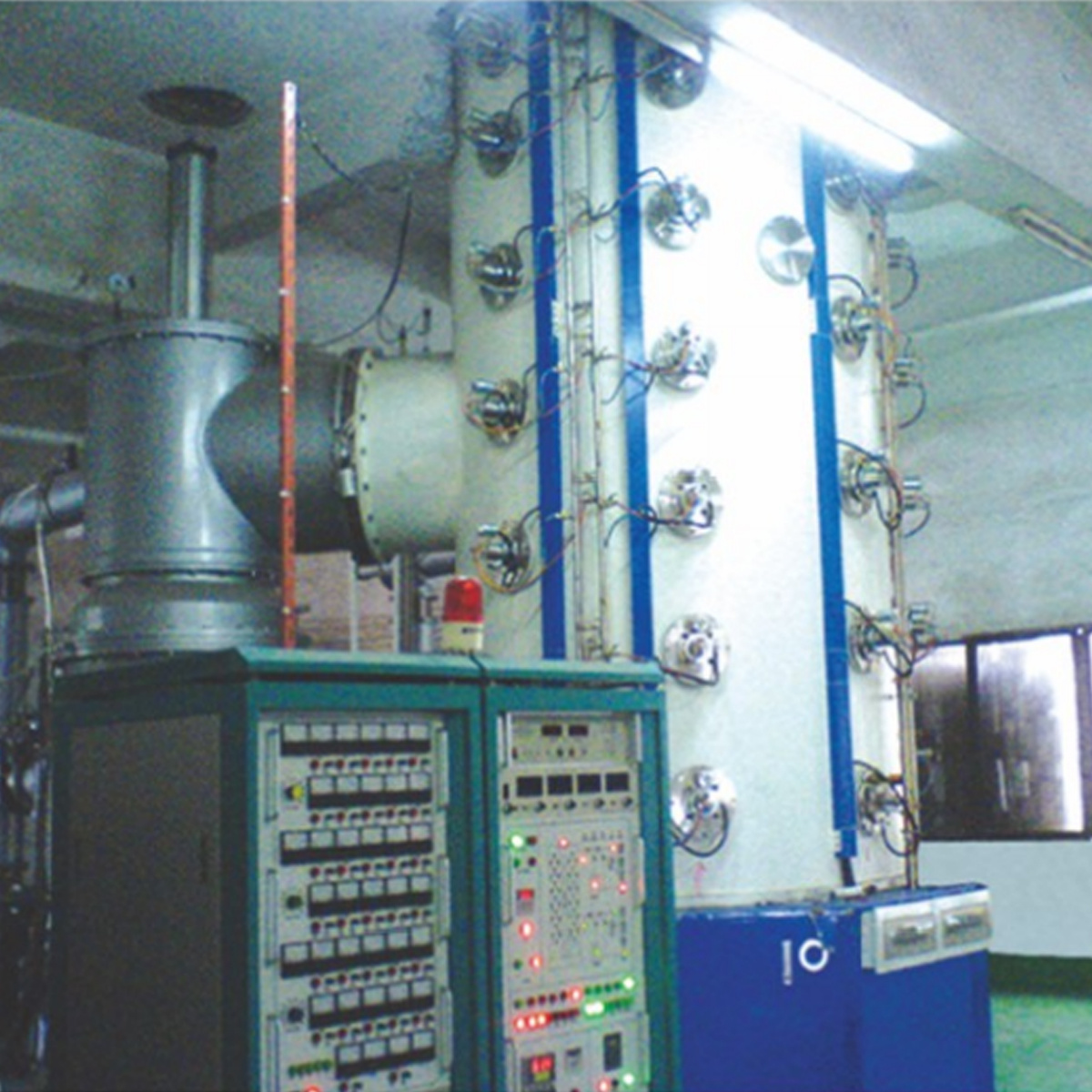
Why Multi-Arc Ion Coating is the Game-Changer for Post-Processing Machinery
Table of Contents
- Introduction to Multi-Arc Ion Coating
- Understanding Post-Processing in Manufacturing
- What is Multi-Arc Ion Coating?
- Advantages of Multi-Arc Ion Coating
- Applications of Multi-Arc Ion Coating in Manufacturing
- Comparing Multi-Arc Ion Coating with Other Coating Technologies
- The Future of Multi-Arc Ion Coating in Post-Processing Machinery
- Conclusion
- FAQs
Introduction to Multi-Arc Ion Coating
The manufacturing industry continually seeks innovations that enhance product performance and durability. Among these innovations, **Multi-Arc Ion Coating (MAIC)** has emerged as a transformative technology. This advanced coating technique provides numerous advantages over traditional methods, making it a critical element in post-processing machinery.
In this article, we will delve into the characteristics that make MAIC a game-changer in the realm of post-processing, its applications, and the future it holds in the manufacturing sector.
Understanding Post-Processing in Manufacturing
Post-processing refers to the various techniques used to finish and refine products after they have been manufactured. This stage is crucial as it determines the final quality, appearance, and performance of the product. Common post-processing techniques include polishing, coating, and surface treatment.
Manufacturers are increasingly aware that effective post-processing can significantly affect the longevity and functionality of their products. As industries evolve, the need for more efficient, durable, and cost-effective post-processing solutions becomes imperative.
What is Multi-Arc Ion Coating?
Multi-Arc Ion Coating is a physical vapor deposition (PVD) technique that utilizes an arc discharge to create a plasma of metal ions. These ions are then deposited onto the substrate, forming a thin film that enhances surface properties.
The process involves several key stages:
1. **Arc Generation**: An electric current is passed through a target material, generating an arc that vaporizes the surface.
2. **Ionization**: The vaporized atoms are ionized in the presence of a magnetic field, creating highly energetic ions.
3. **Deposition**: The ions are directed towards the substrate, where they condense and form a dense coating.
This method allows for the creation of coatings that are exceptionally strong, wear-resistant, and capable of withstanding extreme conditions.
Advantages of Multi-Arc Ion Coating
The advantages of Multi-Arc Ion Coating are numerous and contribute significantly to its status as a game-changer in post-processing machinery:
1. Enhanced Durability
MAIC creates coatings that are exceptionally tough, significantly increasing the lifespan of tools and components. This durability translates to reduced maintenance costs and increased productivity.
2. Superior Adhesion
The ionized particles adhere more effectively to the substrate, ensuring a strong bond that minimizes delamination and peeling over time.
3. Versatile Coating Options
Multi-Arc Ion Coating supports a wide variety of materials, from metals to ceramics, allowing for tailored solutions across different manufacturing needs.
4. Improved Surface Properties
The coatings produced exhibit excellent hardness, corrosion resistance, and thermal stability, making them ideal for harsh operating environments.
5. Environmentally Friendly
Unlike some traditional coating methods that utilize harmful chemicals, MAIC is a cleaner process, reducing the environmental impact of manufacturing.
Applications of Multi-Arc Ion Coating in Manufacturing
Multi-Arc Ion Coating is revolutionizing various industries. Here are some notable applications:
1. Tool Coatings
In the manufacturing of cutting tools, MAIC enhances the lifespan and performance of drills, mills, and lathes, which endure extreme wear and tear.
2. Automotive Components
MAIC coatings are used on engine parts, gears, and bearings, providing enhanced resistance to wear and corrosion, thereby improving overall vehicle performance.
3. Aerospace Engineering
The aerospace industry benefits immensely from MAIC due to its ability to create lightweight yet durable coatings that can withstand harsh flight conditions.
4. Medical Devices
In the medical field, MAIC improves the durability and biocompatibility of surgical instruments and implants, ensuring safer and more effective patient outcomes.
Comparing Multi-Arc Ion Coating with Other Coating Technologies
While several coating technologies exist, Multi-Arc Ion Coating stands out for its unique benefits.
1. PVD vs. CVD
Chemical Vapor Deposition (CVD) offers some advantages but tends to involve more complex processes and longer production times. MAIC, on the other hand, provides a more straightforward method with superior properties.
2. Thermal Spraying
While thermal spraying can create thick coatings, it often lacks the fine control and adhesion that MAIC delivers, resulting in weaker surfaces.
3. Electroplating
Electroplating can be effective for certain applications, but it often requires hazardous chemicals and does not provide the same level of durability and adherence as MAIC.
The Future of Multi-Arc Ion Coating in Post-Processing Machinery
As industries continue to innovate, the demand for advanced coating solutions like Multi-Arc Ion Coating will only grow. Future developments may include:
- **Integration with Smart Manufacturing**: As factories adopt Industry 4.0 principles, integrating MAIC with automated systems could enhance efficiency and precision.
- **Nanotechnology Applications**: Advances in nanotechnology may allow for even more tailored coatings that enhance specific properties at a microscopic level.
- **Sustainable Practices**: Continuous improvements in making MAIC more environmentally friendly will likely shape its future adoption across industries.
Conclusion
Multi-Arc Ion Coating is undeniably a game-changer for post-processing machinery. Its numerous advantages—such as enhanced durability, superior adhesion, and versatility—position it as a preferred choice in various manufacturing sectors. As industries evolve, the significance of efficient and effective post-processing solutions becomes clearer, making MAIC an essential technology for the future.
FAQs
1. What industries can benefit from Multi-Arc Ion Coating?
Multi-Arc Ion Coating is applicable in various industries, including automotive, aerospace, manufacturing, and medical devices.
2. How does Multi-Arc Ion Coating compare to traditional coating methods?
MAIC offers superior durability, adhesion, and environmental benefits compared to traditional methods like electroplating and thermal spraying.
3. Can Multi-Arc Ion Coating be applied to various materials?
Yes, MAIC can be applied to a wide range of materials, including metals and ceramics, making it a versatile solution for different applications.
4. Is Multi-Arc Ion Coating environmentally friendly?
Yes, MAIC is considered more environmentally friendly than many traditional coating methods as it uses fewer hazardous materials and produces less waste.
5. What can manufacturers expect from the future of Multi-Arc Ion Coating?
Manufacturers can anticipate advancements in automation, nanotechnology applications, and increased sustainability in the use of MAIC, further enhancing its role in post-processing.
multi-arc ion coating machine
News
2026-09-28

PROVIDE YOU WITH THE BEST COST PLAN
Contact Us
Wechat: +86-198 7884 1913
Add: B-11, Jiushan Area, Jindu Industrial Park, Jindu, Gaoyao District, Zhaoqing City, Guangdong, China
Connnect with us!


Website