Optimizing Your Aluminum Mirror Coating Production Line for Efficiency and Quality
Time:
2026-03-16 09:30
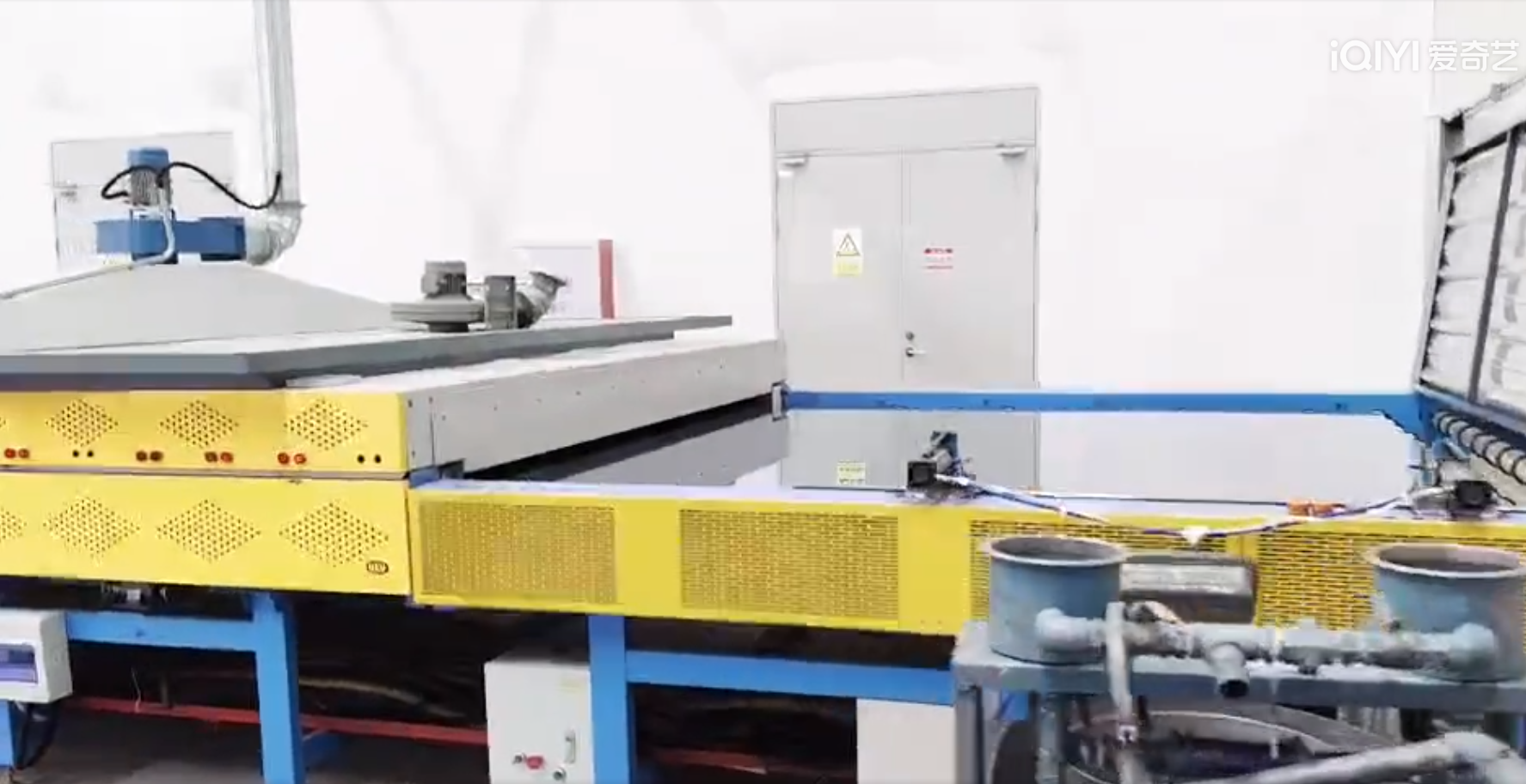
The aluminum mirror coating production line is a crucial setup within the manufacturing sector that specializes in enhancing surfaces for optical applications. This process involves the application of a reflective aluminum layer on substrates, which can be glass or plastic, to achieve a mirror-like finish. A well-designed production line can significantly influence the efficiency and quality of the final products.
One of the primary considerations in setting up an aluminum mirror coating production line is the choice of equipment. Key components include coating machines, vacuum systems, and quality control systems. For instance, vacuum deposition systems are essential as they enable the aluminum to be applied in a controlled environment, preventing contamination and ensuring uniform thickness. It is vital to select machines that offer precise control over the coating parameters, such as temperature, pressure, and deposition speed, as these factors directly impact the quality of the coated mirrors.
Another critical aspect is the workflow within the production line. A streamlined process can minimize downtime and enhance productivity. Manufacturers should consider implementing automation where feasible. For example, automated loading and unloading systems can reduce manual handling, leading to faster turnaround times and lower labor costs. Additionally, integrating real-time monitoring systems can help track the production process, allowing for immediate adjustments if any deviations from quality standards are detected.
Moreover, regular maintenance of the equipment used in the aluminum mirror coating production line is essential to ensure optimum performance. Scheduled inspections and timely servicing can prevent unexpected breakdowns and prolong the life of the machines. Training operators on the proper use and maintenance of equipment also plays a crucial role in maintaining production quality and efficiency.
Quality control cannot be overlooked in the production of aluminum mirrors. Implementing rigorous testing methods at various stages of the production process will help identify any issues related to reflectivity, durability, and overall appearance. Using advanced metrology tools can aid in achieving precise measurements, ensuring that the mirrors meet the required specifications.
In conclusion, optimizing an aluminum mirror coating production line involves careful consideration of equipment, workflow, maintenance, and quality control. By focusing on these areas, manufacturers can enhance their operational efficiency and achieve higher product quality. This not only fulfills customer demands but also positions businesses competitively within the industrial assembly line sector. Embracing these best practices can significantly contribute to the success of aluminum mirror coating operations.
aluminum mirror coating production line
News
2026-09-28

PROVIDE YOU WITH THE BEST COST PLAN
Contact Us
Wechat: +86-198 7884 1913
Add: B-11, Jiushan Area, Jindu Industrial Park, Jindu, Gaoyao District, Zhaoqing City, Guangdong, China
Connnect with us!


Website