Understanding Vacuum Coating Machines: Revolutionizing Post-Processing in Manufacturing
Time:
2026-03-02 10:10
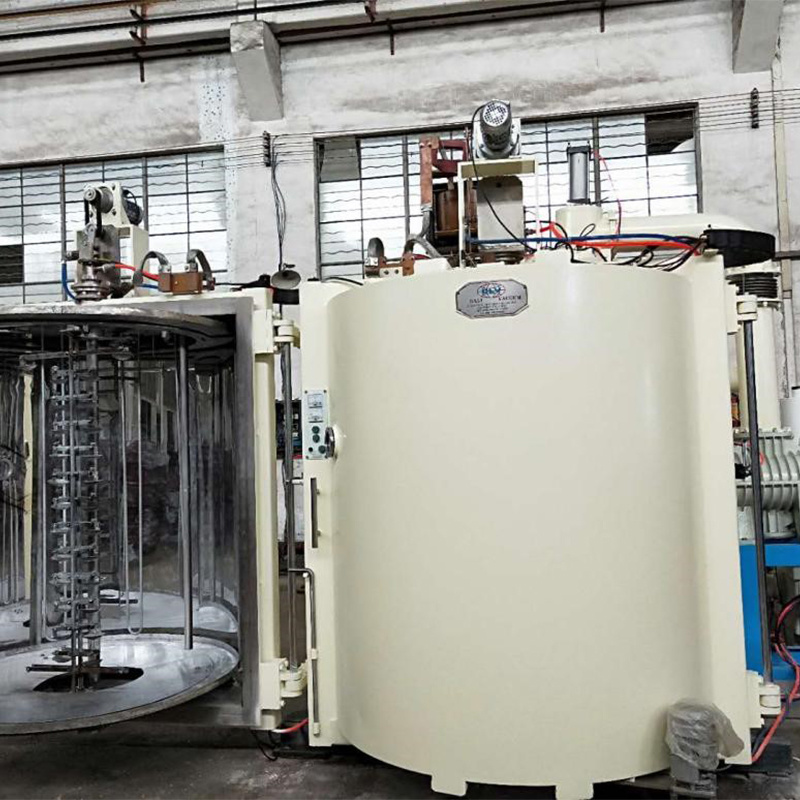
Vacuum coating machines are essential tools in the manufacturing and processing industry, particularly within the realm of post-processing equipment such as lamination machines. These machines utilize vacuum technology to deposit thin films of material onto a substrate, significantly enhancing the surface properties and aesthetic appeal of the final product. This process is critical in a variety of sectors, including electronics, optics, and packaging.
One of the primary advantages of using vacuum coating machines is their ability to create uniform and high-quality coatings. The vacuum environment reduces contamination and allows for precise control over the deposition process. This results in coatings that can improve scratch resistance, reduce glare, or provide additional functionalities such as anti-fog or anti-reflective properties.
There are several common techniques employed within vacuum coating machines, including physical vapor deposition (PVD) and chemical vapor deposition (CVD). PVD, for instance, is widely used for its ability to apply metallic coatings, which are essential for enhancing electrical conductivity or aesthetic finishes. On the other hand, CVD can effectively deposit a variety of materials, including polymers and ceramics, broadening the application potential of these machines.
In addition, vacuum coating machines are highly versatile and can be used on various substrates such as glass, metal, and plastic. This flexibility makes them an attractive option for manufacturers looking to diversify their product offerings. Whether it's for decorative purposes or to impart functional qualities, these machines can cater to a wide range of industry needs.
Implementing vacuum coating technology can also lead to significant cost savings in the long run. By enhancing the durability and lifespan of products, manufacturers can reduce waste and improve customer satisfaction. Additionally, the reduction of post-processing steps can streamline production workflows, contributing to overall efficiency.
For those considering the adoption of vacuum coating machines, it is essential to evaluate the specific needs of your manufacturing process. Factors such as the type of substrate, desired coating properties, and production volume should all be taken into account. Understanding these parameters can help in selecting the right type of vacuum coating technology that aligns with your operational goals.
In conclusion, vacuum coating machines represent a vital component of modern manufacturing processes, particularly in post-processing operations. Their ability to produce high-quality, functional coatings on various substrates makes them indispensable for businesses seeking to enhance product performance and marketability. By leveraging the capabilities of vacuum coating technology, manufacturers can stay competitive in an ever-evolving industry landscape.
vacuum coating machine
News
2026-09-28

PROVIDE YOU WITH THE BEST COST PLAN
Contact Us
Wechat: +86-198 7884 1913
Add: B-11, Jiushan Area, Jindu Industrial Park, Jindu, Gaoyao District, Zhaoqing City, Guangdong, China
Connnect with us!


Website